Having a baby is one of the most exciting times of your life, but there are many worries and challenges that new parents may face. One of the biggest ones is childproofing your house in order to make sure that the little one is safe and secure in their new environment. Childproofing a house can take a lot of time, and many new parents wonder what exactly they need to do to make sure that the new member of their family is safe. This post is going to outline some of the most important things you should do to childproof your home, and offer a few suggestions that could make the process easier all around for you.
The Most Important Things to do to Childproof Your Home:
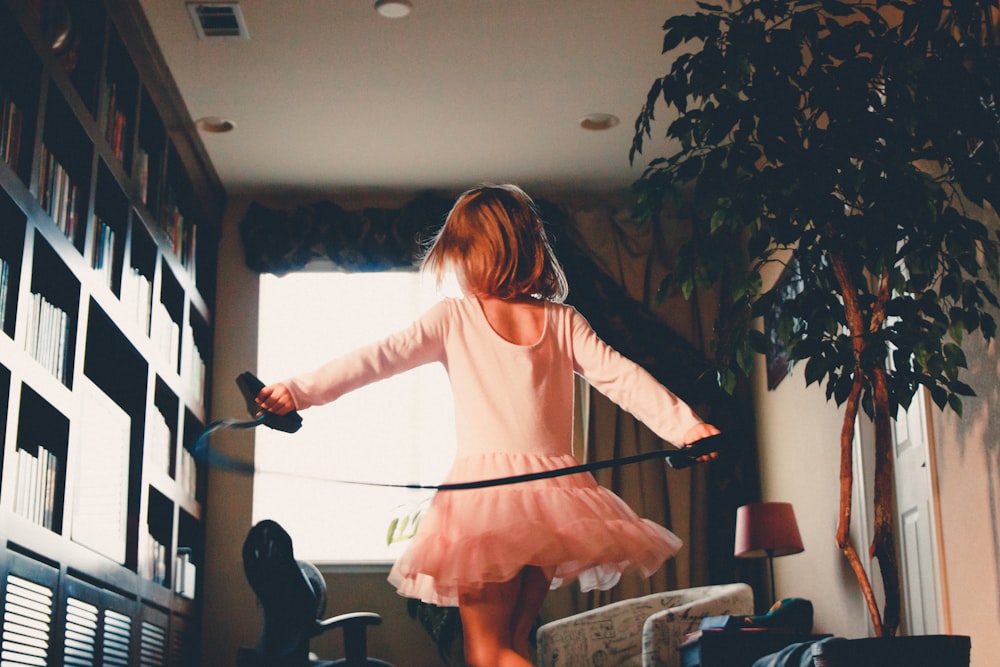
Put a Limit on Your Water Temperature
This is one of the easier things that new parents can do to childproof their home and make sure it is safe for a baby, but it often gets overlooked. Babies – especially between their first and second birthdays – tend to get very curious with everything that they can move. Knobs and buttons are of particular interest to them. Faucets tend to fall into this category, too, and your little baby does not yet understand that hot water can harm them.
Your water heater will be preset to a certain temperature that is probably above the scalding level. To avoid the possibility of your baby scalding himself or herself, lower the temperature on your water heater to 120 degrees. This is a temperature that is warm enough for a hot shower but not hot enough to cause permanent burn damage to your baby’s skin.
Cover Up Everything With an Electric Current

Little kids have a habit of putting things where they don’t belong. Small holes, crevices, and compartments are often of interest to small children as they begin to explore their home. Often this curiosity is harmless. Putting their hands in the space below the nightstand, for example, is not likely to lead to any harm. However, one little crevice that for some reason tends to be a very dangerous favorite for little kids is electrical outlets.
While it may sound crazy, it is not unheard of for little kids to get curious and put objects – including their fingers – into live electrical outlets. This is clearly not a scenario you want to deal with as a parent, whether in a new house or not, and the best way to avoid this is with plastic outlet covers that plug into the outlets that aren’t in use. If they don’t see the holes, they probably won’t try to stick things in them.
Eliminate Access to Potentially Dangerous Rooms and Spaces
While there are many things you can do to eliminate or mitigate risks in various rooms throughout your house, there are some rooms that just will never be fully childproof. This might include garages, workshops, offices, kitchens, and more. While kitchens are challenging to block off, you can definitely try to keep them out of all of the other potentially dangerous spaces. Offices might not seem like a very dangerous place, but there are actually plenty of risks both to your child and to your valuable equipment in an office.
The most common way to keep children out of spaces temporarily is with baby gates, which are portable gates that attach to the doorframe leading into a room. When you want to keep the child out of a room, you simply put up the gate! Since they are not able to climb over it, they are naturally barred from entering the room. Another common way to keep small children out of a room more constantly is with doorknob covers. While baby gates need to be put up and taken down each time you want to use them, doorknob covers can remain on the door for as long as you wish. When you shut the door, your little one has no way of opening it!
Make Sure Dangerous Objects are Out of Reach
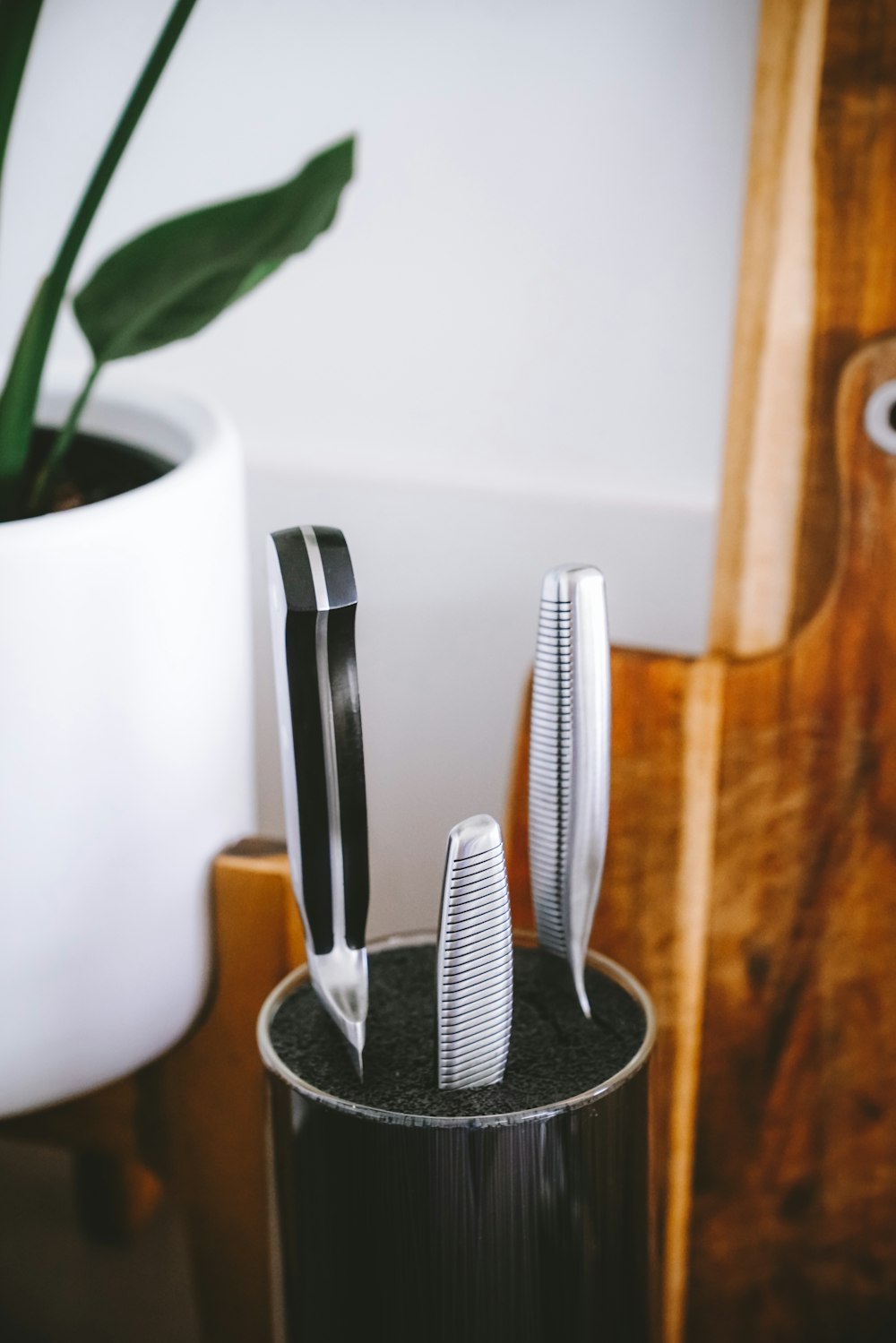
You can block small children from entering a lot of rooms, but this just is not possible with some parts of the house. You may have really difficulty keeping your child out of rooms like the kitchen and living room, as they are often part of an open concept with walkways too wide for baby gates. If you have a room like this – or really any room with potentially dangerous objects – you should do all that you can to keep these things out of reach, sight, and mind of your small child.
What are some examples of dangerous objects to keep away from kids, you might ask? If you have a fireplace, all of the pokers and tools that you use for it can present a risk, as they are pointy and covered in dangerous soot. If you have a utility closet with tools or office supplies, the child may accidentally wind up with toxic ink or sharp bladed objects. In your bathroom, children might be able to get their hands on toxic cleaning supplies or harmful medications. The list of potentially dangerous objects is extensive, but the common point stays the same regardless of the room or object: put it in a place where they can’t see it, reach it, or even know it exists.
Anchor All Furniture Pieces to the Wall
This is a fairly simple childproofing task that many parents completely neglect. While this is particularly important in areas with earthquakes, it is relevant and necessary all over the country. Tall furniture items, like bookshelves, mirrors, dressers, grandfather clocks, and other shelving units should all be firmly anchored into the wall behind them. This is because there is always a chance that they will tip over, and the last thing you want is for your grandfather clock to tip over onto or around your child. Even if they manage not to get hurt by the falling clock or shelving unit, they will probably be a bit traumatized from the perilous experience.
As adults, we know not to try to climb bookshelves or pull firmly on shelving units in the kitchen, however small children usually don’t have the same level of wherewithal. If you live in an area with earthquakes it is even more important to anchor your furniture, as it can fall even without a curious child’s influence. To anchor your furniture pieces to the wall, you can either use drywall anchors to drill holes right through the back of the furniture or you can use brackets that cause less obvious damage to the back of the furniture. As long as it is strong enough to withstand the weight of your child, you are probably fine.
Remove all Heavy Objects from Tables and Shelves

Now, you have blocked access to dangerous rooms, and you have anchored all of your tall furniture to the walls. You are good to go, right? Not so fast. While the bookshelf in your living room may be firmly anchored to the wall now, the heavy items on it may not be. It is not easy to remove every heavy item from every shelf in your house, and it may not be necessary either. However, making sure that they are out of reach and are on a securely installed piece of furniture is a good compromise that can make sure your small child stays safe without making you sacrifice some of your favorite decorations.
Books are going to remain on bookshelves, knickknacks are going to remain on the hutch, and other heavy items are going to stay on display. It is just a matter of making sure that your child can’t get a hand on them and rip them off of the shelf and onto the floor. This can keep them out of danger and can also protect any valuable, fragile, heavy items you might have, like fine china or porcelain displays. Be sure to keep in mind that children are often good climbers, and if they can reach it by standing on the recliner, it may not be high enough or far enough out of reach!
Be Aware of Potential Choking Hazards
Just like they love to touch every button and poke every hole, little kids love putting anything they can get their hands on into their mouths. This is a major problem when the items that they find are toxic in nature, like cleaning supplies and pest control products. Toxic bathroom supplies are not the only dangerous thing that little ones can put in their mouths, though. Anything smaller than 2.5 inches in width is small enough to fit in a child’s mouth, and if it can fit in their mouth it can be choked on. To properly childproof your home, it is necessary to do a thorough scan of the house to remove all small items from the floor or any other reachable places to keep your little one out of harm’s way.
This piece of advice also circles back to the point about blocking off spaces that are naturally unsafe for your child. If there is a place in your home that naturally has a lot of small items that may be choking hazards, it is probably best to just bar them from entering that room as a whole. If you have a garage with many small tools, screws, and nuts, for example, it is probably easier to just keep them from entering that room entirely rather than constantly checking the floors and low shelves to make sure that all dangerous items are out of reach.
Soften the Corners of Furniture Pieces if Possible
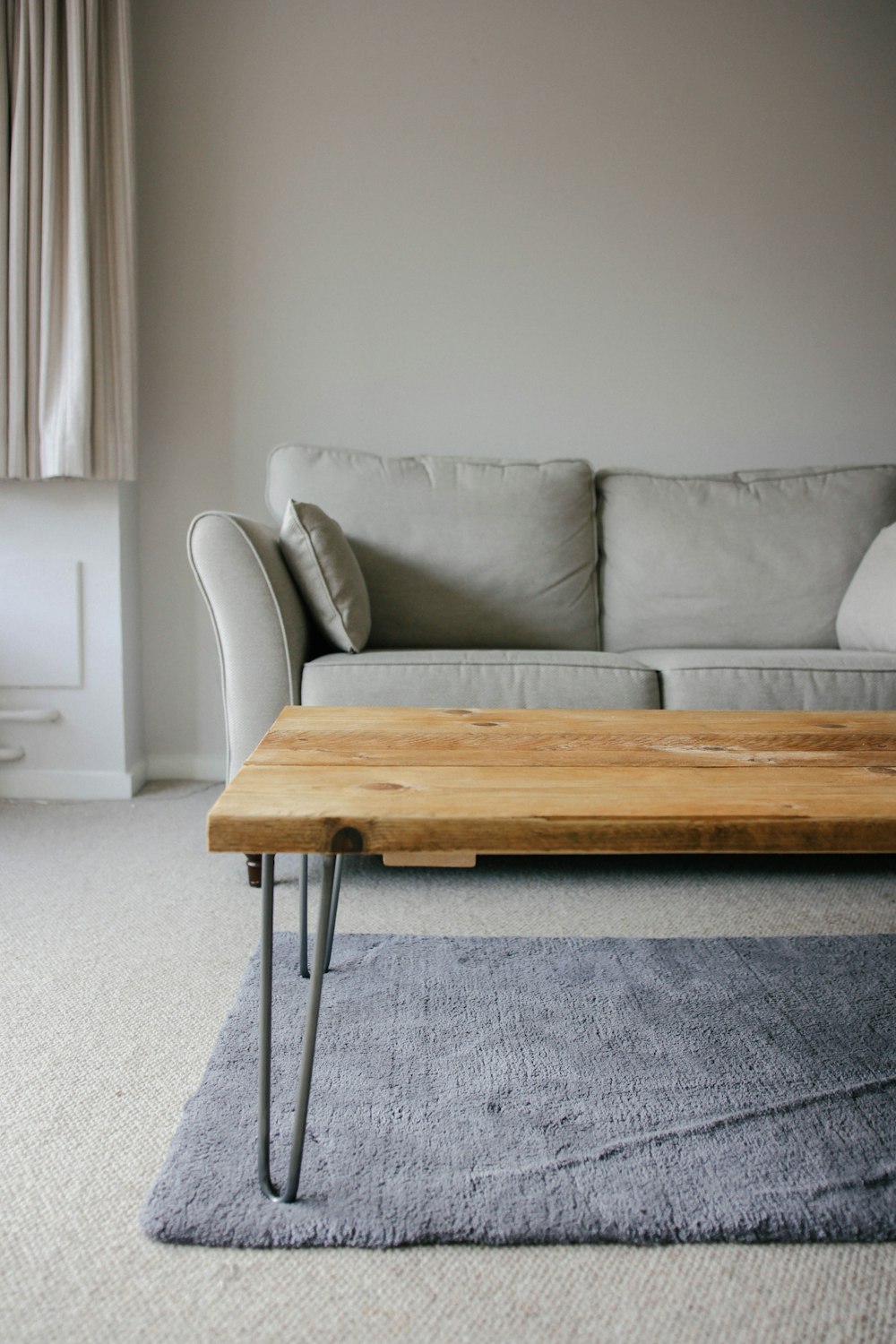
Many parents overlook this step, and many choose to avoid it entirely. What you do is your own decision, but it is at least worth understanding the dangers! Many furniture items have pointy corners that can pose a real risk to small children, especially when they are first learning how to walk. Toddlers toddle, and toddling involves a lot of falling down. While hitting their head or body on anything isn’t great, falling into a sharp corner is even worse and can lead to a hospital trip. If you want to avoid that possibility, either look into getting corner covers for all of your squared-off furniture items (like tables) or consider purchasing round versions in either circular or ovular shapes.
Install Window Guards to Prevent Falling Accidents
Small children are filled with curiosity, and there is no more alluring place than the world outside of their windows! They will learn to adapt to the space that they live in, but the natural curiosity about what lays outside of the windows will take years to get over. As a result, your small child may be inclined to constantly peek out through the windows. In theory, this is a good thing! You want to encourage natural curiosity as much as possible with small children.
However, many windows are not strong enough to be leaned on by a small child, thus posing a fall risk. If your windows are not strong enough to withhold the weight of your little one, there is a real chance that they could go tumbling through the window – especially if it is left open. One common thing you can do to prevent your windows from opening too far is to install window guard, which are small systems that limit the maximum openness of your windows to a few inches. This is enough to open them up and let a draft in without risking your little one falling out.
Opt for Placemats Instead of a Tablecloth
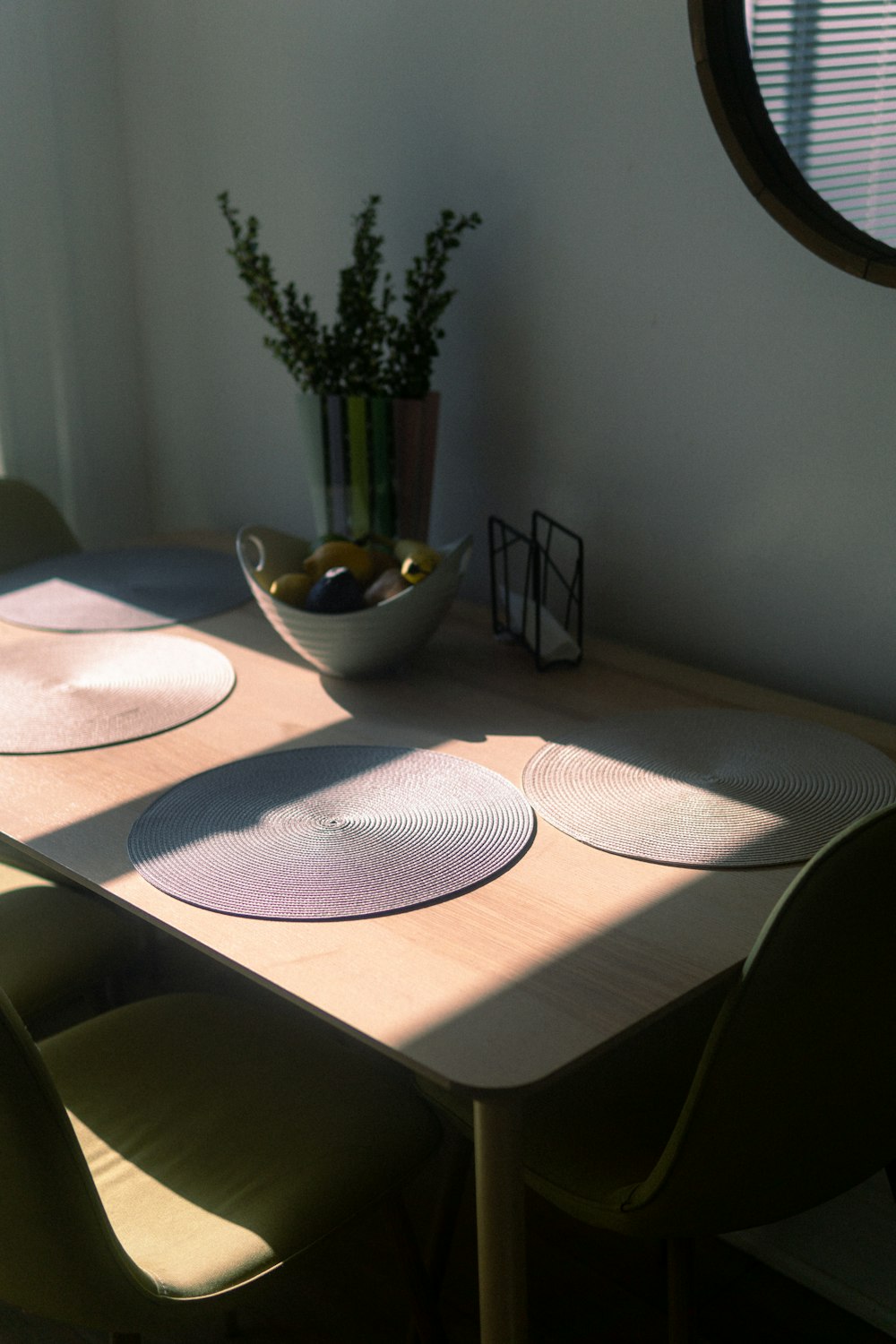
Everyone loves a nicely decorated dining room table and a beautiful tablecloth, and that unfortunately includes your small child. Like we have said, small children like to grab and pull on anything that they can, which often includes tablecloths. If you keep your table empty other than the tablecloth, the only real danger is that they will cocoon themselves in it as they pull it off of the table. However, if you keep plates, glasses, and silverware set on the table, there is a real possibility that glassware and knives wind up falling onto your little one, which poses a very serious risk.
If you opt to use placemats instead of a tablecloth, the risk significantly decreases. This is because your child is probably too small to reach all the way up onto the table to pull on a placemat, and there is no way that they can inadvertently pull every item off of the table at the same time. Tablecloths, on the other hand, pose that risk. While placemats eliminate a large amount of the risk, it is still a wise idea to remove glassware and silverware from the table when not in use, as knives are never safe for small children.
Thanks for reading our post about the best way to childproof your house! We hope you learned a little something about the best ways to keep your small children safe as they grow up in your home. Some of them may have seemed like common sense, but it is very easy to overlook them if you don’t sit down and think critically about ways to protect your loved ones in your own home. Also, this list is only scratching the surface when it comes to ways that you can eliminate dangers to small children in your own home, and we encourage you to read as much information on childproofing your home as possible!
If you visit Myrtle Beach or any other place in South Carolina and fall in love, we’re here to help. We at The Boyd Team are committed to helping you find the right property for your needs and dreams. Any question that you have about moving to the area and finding your dream home by the beach is our pleasure to answer. Feel free to send us an email at eddie@boydteam.com or text or call us at (843) 222-8566, and we will get back to you as soon as we can. Being true natives of the Grand Strand and Horry County and with over 25 years of experience in the local real estate market, whether buying or selling, we can help you make your dreams a reality.
No One Knows The Grand Strand Better! Trust, Knowledge, Experience, Professionalism, You Can Count On!
Written by Zohra
:format(webp):quality(80)/u.realgeeks.media/boydteam/boyd-team-prof-pic2-crop.jpg)
:format(webp):quality(80)/u.realgeeks.media/boydteam/15.png)