When preparing a house for the real estate market, homeowners often focus on highly visible cosmetic upgrades. They repaint the walls in trendy neutral colors, replace dated kitchen countertops, and invest heavily in landscaping to maximize curb appeal. While these aesthetic improvements certainly attract buyers during an open house, they only scratch the surface of what modern home buyers truly prioritize.
In the current real estate market, buyers are increasingly analytical and risk-averse. They look beyond the surface level to evaluate a property’s underlying infrastructure. Among these structural components, the heating, ventilation, and air conditioning (HVAC) system stands out as one of the most critical. A home’s mechanical backbone dictates daily comfort, monthly utility expenses, and imminent maintenance burdens. Upgrading your climate control system before listing your property is not merely a maintenance task; it is a strategic investment that can significantly enhance your home's equity, marketability, and final sale price.
1. Direct Equity and High Return on Investment
One of the most pressing questions for any homeowner considering a major renovation is the financial return. Fortunately, mechanical upgrades consistently rank high in terms of value retention. Real estate data indicates that a new climate control system can yield a return on investment that frequently rivals or surpasses traditional cosmetic remodels. When a buyer views a property with a brand-new heating and cooling system, they immediately factor that asset into their financial offer.
This premium exists because a new system eliminates a massive, immediate expense for the incoming homeowner. Replacing a furnace or an outdoor compressor unit is a costly endeavor that can easily drain a buyer's post-closing cash reserves. By taking care of this upgrade yourself, you allow buyers to bid with confidence. They know they will not have to shell out thousands of dollars during their first winter or summer in the home.
Furthermore, licensed appraisers explicitly look at the age and condition of major mechanical systems when determining a property's fair market value. An outdated, failing furnace acts as a deduction during the valuation process. Conversely, a state-of-the-art system in peak operational condition justifies a higher baseline valuation. This formal increase in appraised value gives your listing a solid mathematical foundation, which protects your asking price when the buyer's mortgage lender conducts their independent property assessment.
2. Lower Utility Bills as a Major Selling Point
Modern home buyers are uniquely focused on the ongoing cost of homeownership, with energy efficiency sitting at the very top of their wish lists. Utility bills represent a recurring monthly expense that directly impacts a household's disposable income. Consequently, a property that promises lower monthly operating costs holds a distinct competitive advantage over older, less efficient homes.
Older heating and cooling units operate with significantly lower efficiency ratings compared to contemporary models. System efficiency is measured by specific industry standards, such as the Seasonal Energy Efficiency Ratio (SEER2) for air conditioners and the Annual Fuel Utilization Efficiency (AFUE) for furnaces. Systems manufactured just a decade ago often have SEER ratings around 13 or 14. In contrast, modern high-efficiency units frequently reach SEER2 ratings well above 18 or 20.
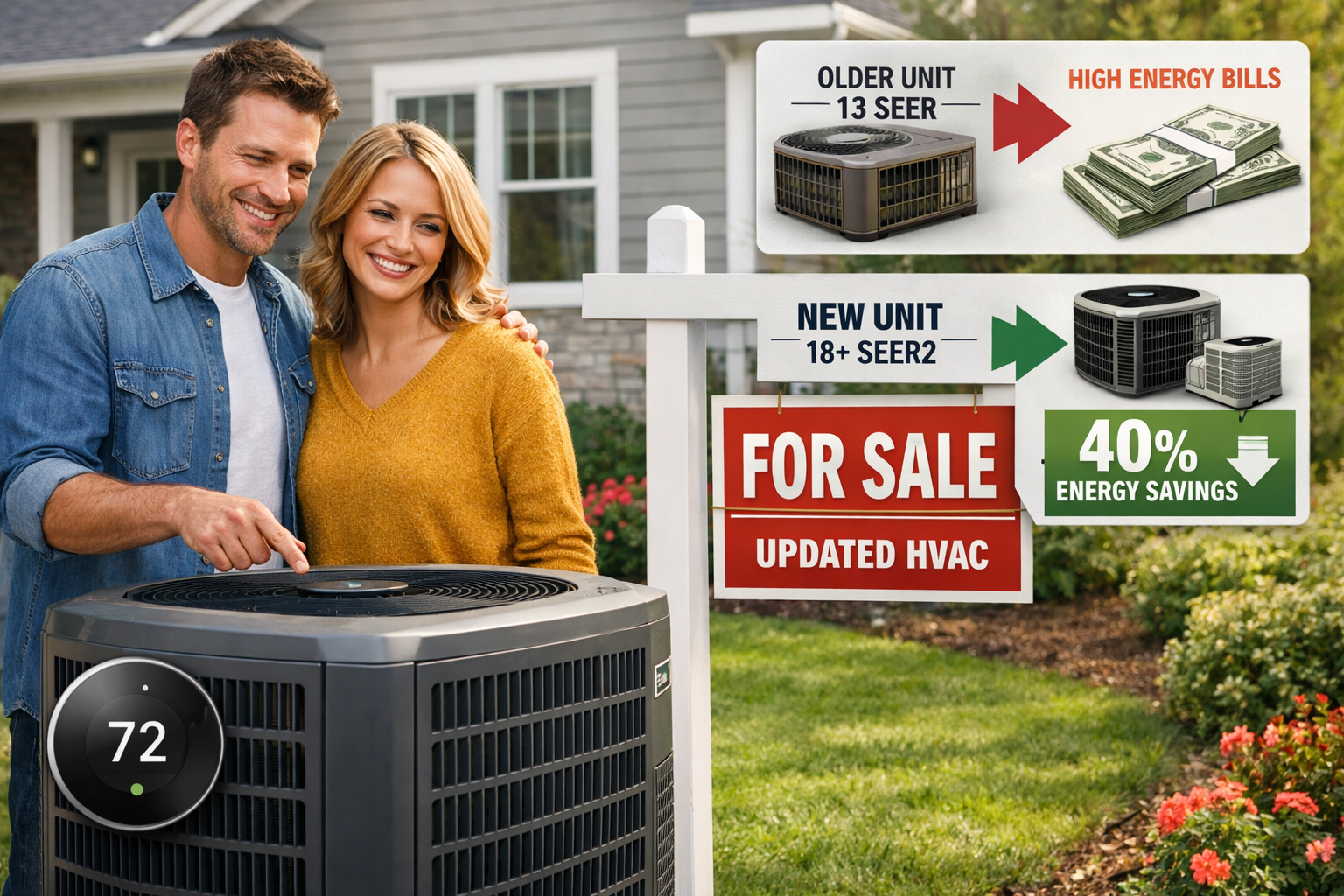
[Older Standard Unit] ---> ~13-14 SEER ---> Higher Monthly Waste
[Modern Upgraded Unit] ---> 18+ SEER2 ---> Up to 40% Energy Savings
When you upgrade to a high-efficiency system, you gain a powerful marketing tool for your real estate listing. Your real estate agent can prominently feature the energy savings in the property description, and you can even provide copies of recent, lowered utility bills during home tours. Buyers love concrete data. Seeing physical proof that your home costs 30% to 40% less to heat and cool than a comparable house down the street creates a powerful incentive to choose your property.
3. Minimizing Home Inspection Friction
The period between accepting an offer and officially closing the sale is often the most stressful phase of a real estate transaction. This phase is dominated by the home inspection, where a licensed inspector meticulously evaluates every nook and cranny of your property to uncover hidden defects. Historically, aging mechanical systems are among the most common culprits for derailed sales or aggressive price renegotiations.
If an inspector flags an HVAC system as near the end of its operational lifespan, cracked, or leaking, the buyer's momentum often grinds to a halt. This negative report triggers a series of complications:
- Price Reductions: Buyers may demand a massive price concession to cover the future replacement cost.
- Repair Demands: Buyers might insist that the system be fully replaced by a contractor of their choosing before closing, stripping away your control over the project's timeline and budget.
- Transaction Cancellations: Skittish buyers may simply use the defective system as a justification to invoke their inspection contingency and walk away from the deal entirely.
By proactively upgrading the system before your home ever hits the market, you completely neutralize this risk. The home inspector will note the brand-new equipment, clean ductwork, and flawless operation in their official report. Instead of a liability that invites aggressive bargaining, your mechanical system becomes a verified asset that solidifies the agreed-upon purchase price.
4. Enhanced Indoor Comfort and Intelligent Home Appeal
While financial returns and technical specifications look excellent on paper, the emotional aspect of buying a home should never be underestimated. When prospective buyers walk through an open house, they are unconsciously evaluating how it feels to live in those spaces. An upgraded climate control system transforms the sensory experience of a home.
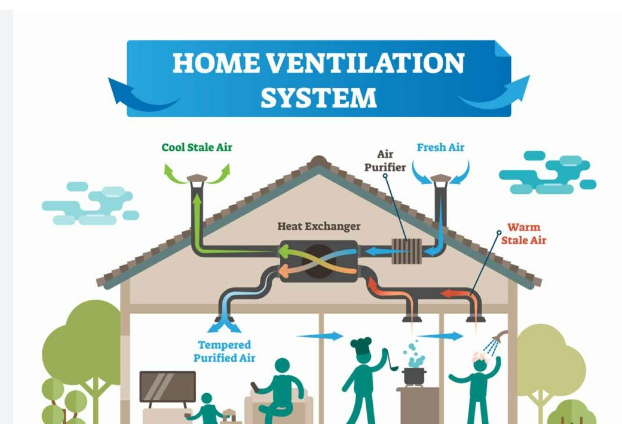
Modern systems do far more than just modify the air temperature; they completely revolutionize indoor air quality and humidity control with air duct cleaning. Variable-speed blowers and advanced filtration systems remove dust, pollen, and pet dander continuously, which creates a noticeably fresher indoor atmosphere. Furthermore, contemporary units excel at balancing temperatures across different floors, eliminating the frustrating phenomenon of a freezing basement and a sweltering second story.
The Smart Home Advantage: Modern systems easily integrate with intelligent thermostats and home automation networks.
When buyers see a sleek, smart thermostat on the wall that allows them to control zonal temperatures via a smartphone app, the property instantly feels premium and forward-thinking. This integration appeals heavily to millennial and Generation Z buyers, who now make up the largest demographic of home shoppers. They view smart, healthy home features not as luxury bonuses, but as fundamental expectations for their next living space.
Conclusion and Next Steps
In the competitive world of real estate, securing a premium sale price requires strategic planning and targeted investments. While visual remodels have their place, upgrading an aging HVAC system offers a multi-layered financial defense. It raises your home's appraised equity, lowers monthly operating costs for the future owner, eliminates friction during the crucial home inspection phase, and provides a tangible sense of comfort that buyers can feel the moment they step through your front door.
If your current heating and cooling units are approaching or exceeding ten years of age, scheduling a professional consultation should be your next priority. Investing in a modern, high-efficiency system today ensures that your property stands out as a premium, worry-free listing tomorrow. Reach out to a licensed HVAC professional in your area to evaluate your home's current needs, explore energy-efficient options, and position your property for maximum profit in today's demanding real estate market.

