CATCH THE WAVE

Myrtle Beach Real Estate

We Specialize in Myrtle Beach, SC Real Estate. Lots of options are waiting for you in Myrtle Beach, South Carolina and choosing the right realtors can help you in finding the perfect area and the right home for you and your family and make your dream a reality!  Let us help you in making one of the biggest, if not the biggest, decisions in your life.   

We were both born and raised along the Grand Strand and know the entire Horry County, so no matter what style of home you are looking for or what area you prefer, we can help you!  Please give us a call and let us help you make your dream a reality!  843-222-8566.

Eddie & Julie Boyd - The Boyd Team - Realtors

Myrtle Beach Real Estate - INNOVATE Real Estate


Feb. 24, 2024

Reasons to Move to South Carolina: Jobs, Sunshine, and More

South Carolina offers a slew of benefits for residents, including an affordable cost of living, stunning scenery, and a growing job market. With low taxes and a strong sense of community, it's no wonder why so many people are choosing to call South Carolina home.

In this post, we'll explore the key industries driving the economy and the main reasons why more and more people are calling the Palmetto State home.
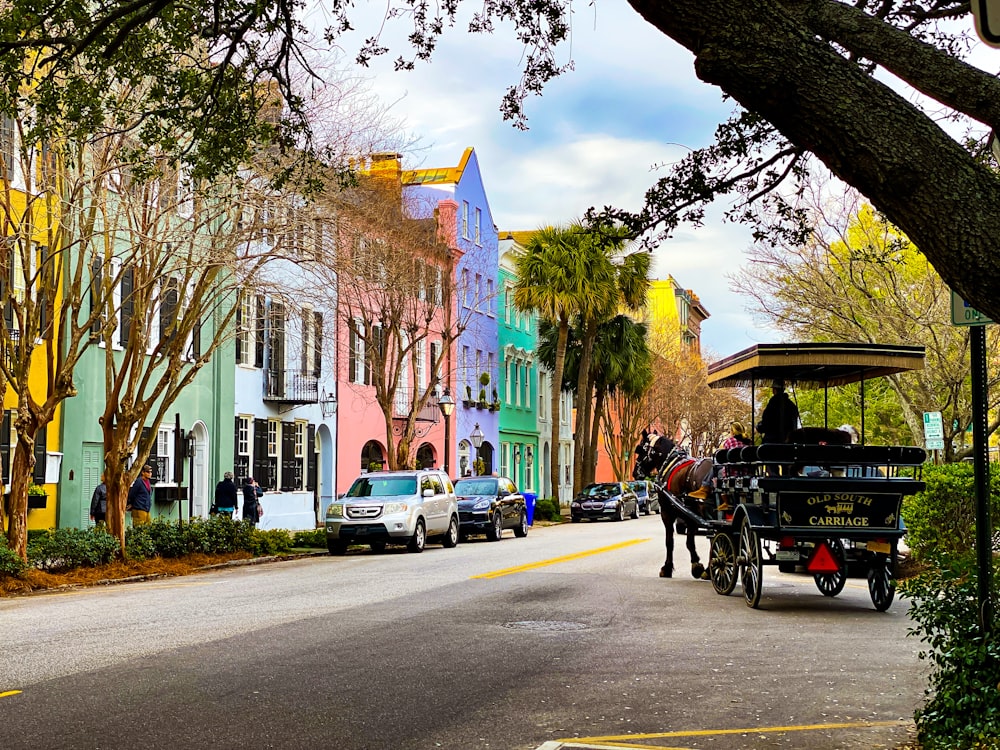
 

people riding on carriage on road during daytime


Why Move to South Carolina in 2024?


With its booming job market and growing economy, South Carolina proves to be a promising destination for individuals looking to accelerate their careers. The quality of life in South Carolina is unmatched, boasting stunning beaches, picturesque landscapes, and a warm climate year-round. On top of that, the cost of living is very reasonable, making it an attractive option for those wanting to enjoy a comfortable lifestyle without breaking the bank.


The friendly Southern charm of the residents and the abundance of cultural activities provide a welcoming and vibrant community for newcomers. In South Carolina, one can relish in both professional fulfillment and personal satisfaction, creating a well-rounded and enriching living experience.


Benefits of Living in South Carolina

Living in South Carolina comes with a multitude of benefits that cater to a diverse range of preferences and lifestyles, from affordable housing to family-friendly communities.


Affordable Cost of Living

South Carolina boasts an affordable cost of living, making it an attractive destination for individuals and families looking to stretch their budgets without compromising on lifestyle.

This southern state offers an array of cost-effective aspects that contribute to its overall value for money. From lower property taxes to reasonably priced housing options, South Carolina maintains one of the best housing markets of any state on the East Coast.


Residents also benefit from a lower cost of healthcare compared to national averages, ensuring accessible medical services without breaking the bank. The state's emphasis on community-centric amenities and recreational activities further enhances the quality of life for its residents, creating a safe and secure environment for people of all ages to enjoy.


How does the cost of living in South Carolina compare to other states?

One of the biggest draws for people considering a move to South Carolina is its low cost of living. The state's overall cost of living is 10% lower than the national average, and housing costs are significantly lower as well. This makes it an attractive option for those looking to stretch their budget.
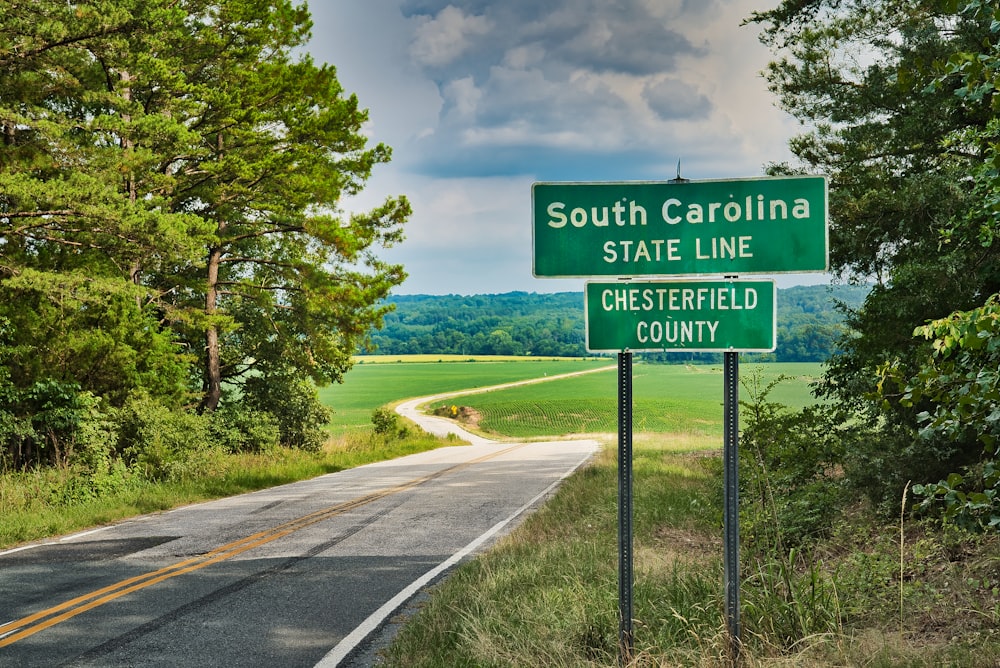
 

South Caroline State Line street sign 


Beautiful Scenery and Climate

The beautiful scenery and pleasant climate of South Carolina provide residents with a constant reason to head outside. Whether you're drawn to the pristine beaches along the expansive coastline or the majestic mountains nestled in the upstate region, South Carolina offers a diverse range of landscapes to explore. The state's numerous parks and wildlife reserves allow outdoor enthusiasts to immerse themselves in the natural beauty and observe a variety of flora and fauna, too.


With an abundance of sunny days and mild temperatures throughout the year, residents can enjoy hiking, biking, boating, and other recreational activities in this picturesque setting.


Growing Job Market

South Carolina's thriving job market presents a wealth of employment opportunities across various industries, offering a promising landscape for career growth and development.

The state's job market is particularly vibrant in the tech industry, as companies continue to choose South Carolina as a place to invest in cutting-edge technologies and innovation. This influx of tech firms has not only created numerous job openings for software developers, data analysts, and IT specialists but has also spurred growth in related sectors such as cybersecurity and e-commerce.


South Carolina's focus on improving infrastructure, especially in transport and telecommunications, has further fueled job creation in construction, engineering, and project management roles, making it an exciting time for professionals seeking diverse and rewarding career paths.


Low Taxes

Residents of South Carolina benefit from low taxes, creating a favorable environment for retirement planning, investment opportunities, and maximizing financial resources.


The state's tax advantages extend to retirees, with South Carolina offering various retirement benefits and incentives geared towards supporting individuals in their post-employment years. In addition to the tax-friendly policies, the state provides a range of government services that cater to the elderly population, ensuring a comfortable and secure retirement. South Carolina's growth potential further enhances the appeal for those looking to settle down in a state that values financial well-being and offers a host of advantages for long-term savings and investment strategies.

 

cable-stayed bridge view during golden hour


Strong Sense of Community

South Carolina fosters a strong sense of community, where residents actively engage in various community events, volunteer opportunities, and neighborhood activities. This active participation in local events and volunteer work creates a nurturing environment where individuals support each other and form lasting connections. Alongside traditional social gatherings, South Carolina also offers a plethora of networking opportunities, wellness programs, and diversity and inclusion initiatives to further enrich the community experience.


The vibrant social fabric in South Carolina promotes a welcoming and inclusive environment, encouraging people to come together and celebrate the diversity that makes the state unique.


What are the Top Industries in South Carolina?

If you’re considering a move to the Palmetto State, there are plenty of different fields you might find work in. South Carolina's diverse economy is fueled by several top industries, including tourism, manufacturing, agriculture, healthcare, and technology, each contributing to the state's economic growth and development.


Tourism

The tourism industry in South Carolina thrives on an array of cultural attractions, making the state a sought-after vacation destination known for its vibrant festivals, historic sites, and entertainment options. Not only does South Carolina boast a rich history that can be explored through its historic sites like Fort Sumter and Magnolia Plantation, but the state also offers an abundance of entertainment options ranging from lively music festivals to outdoor recreational activities.

Visitors can immerse themselves in the captivating beauty of the Lowcountry or wander through the charming streets of Charleston's historic district. The annual Spoleto Festival USA and the South Carolina State Fair are just a few examples of exciting cultural events that attract tourists from near and far to this diverse and dynamic state.


Manufacturing

South Carolina's manufacturing sector plays a vital role in the state's development, contributing to job creation, a robust job market, and a favorable business environment that attracts industry players.


This sector not only provides employment opportunities for skilled workers but also fosters entrepreneurship and innovation. Local businesses benefit from the ripple effect of the manufacturing industry, from suppliers to service providers.


The stability offered by manufacturing jobs contributes to job security and the overall economic prosperity of the region. The presence of a strong manufacturing base enhances the state's resilience to economic fluctuations, making it an attractive destination for companies looking to grow and expand.
 

cars parked beside brown concrete building during daytime


Agriculture

South Carolina's agricultural sector embodies the state's commitment to sustainable living, rural charm, and the preservation of nature reserves that contribute to the region's environmental sustainability.


The rural landscapes of South Carolina not only showcase the beauty of the countryside but also play a vital role in wildlife conservation. Through sustainable agricultural practices, farmers in the state are actively participating in the preservation of natural habitats, ensuring the survival of diverse species. The commitment to environmental sustainability can be seen in initiatives such as water conservation, soil health management, and the protection of native flora and fauna. These efforts not only benefit the environment but also support the long-term well-being of the local communities.


Healthcare

South Carolina's healthcare sector is dedicated to providing quality healthcare services, wellness programs, and a comprehensive network of medical facilities that prioritize the well-being of residents across the state. These healthcare facilities are equipped with state-of-the-art technology to ensure the safety and security of patients while delivering top-notch medical care.

Wellness initiatives in South Carolina focus on promoting healthy lifestyles and preventive healthcare measures to enhance the quality of life for individuals of all ages.

The accessibility of healthcare services is integral to the state's infrastructure, with a strong emphasis on reaching rural and underserved communities to provide equitable healthcare options for all residents.


Technology

South Carolina's technology sector showcases innovation, development, and growth potential, positioning the state as an emerging hub for tech industry players and entrepreneurial ventures.

The state's strategic focus on infrastructure development has paved the way for increased investment opportunities for tech companies looking to establish a presence in the region.

Community involvement plays a crucial role in fostering collaboration and supporting local tech initiatives, creating a vibrant ecosystem that fuels creativity and innovation.

With a diverse talent pool and a supportive business environment, South Carolina offers a conducive setting for startups and established tech firms alike to thrive and contribute to the state's tech landscape.


If you’re looking to buy a home in the Myrtle Beach area, we’re here to help. We at The Boyd Team are committed to helping you find the right property for your needs and dreams. Any question that you have about moving to the area and finding your dream home by the beach is our pleasure to answer. Feel free to send us an email at eddie@boydteam.com or text or call us at (843) 222-8566, and we will get back to you as soon as we can. Being true natives of the Grand Strand and Horry County and with over 25 years of experience in the local real estate market, whether buying or selling, we can help you make your dreams a reality.  


No One Knows The Grand Strand Better! Trust, Knowledge, Experience, and Professionalism You Can Count On!

Posted in BoydTeam Blog
Feb. 21, 2024

The Pros and Cons of Buying Real Estate in the U.S. as a Foreign Investor

High-rise buildings against a blue sky

Stepping into the world of buying real estate in the U.S. as a foreign investor will unveil possibilities and challenges. Each location requires careful examination, from the appeal of diverse real estate markets to promising returns. In this article, we'll dig into the details, highlighting various pros and cons. Whether we’re talking about the sun-soaked shores of Miami or the busy streets of NYC, this journey demands a subtle balance between ambition and caution, securing a well-informed foray into U.S. property ownership.

The pros of buying real estate in the U.S. as a foreign investor

Let’s dive into the advantages of investing in U.S. real estate as a foreigner!

An absence of governmental restrictions

The U.S. government enforces no restrictions on foreign nationals buying investment properties, and zero extra tax regulations exist. This model of approach is best illustrated by the significant $1 trillion worth of U.S. real estate sold to foreign investors over the last ten years. Because there are no strict rules, the market is very attractive to non-residents: they can invest without much bureaucratic inconvenience.

Navigating through paperwork

Though distinct types of property, such as farmland, might entail some extra paperwork, the overall process is not overwhelming. Foreign investors consistently report more than positive experiences with the U.S. property investment process, emphasizing the ease of navigating paperwork with some professional assistance, of course.

A bunch of stacked folders

Many foreign investors embrace the lack of bureaucratic inconvenience in the process of buying U.S. real estate.

Competitive real estate prices

In the United States, competitive property prices make real estate highly accessible to everyone. Many U.S. metropolitan areas thrive on stability and cost-effectiveness: they surpass many central districts of other cities on a global scale. Excluding major hubs like NYC and San Francisco, the U.S. draws in international investors who search for luxury real estate at reasonable prices, along with accessible exit options and solid turnover rates. This feature makes the U.S. real estate market different from European and Asian markets burdened by steep expenses.

Accessible financing

The U.S. mortgage lenders for international investors offer competitive long-term fixed-rate mortgages, providing smart solutions for non-residents and visa-holders without a United States credit history. The lenders allow foreigners to secure financing with low-interest rates for 15 or 30 years, in line with the preferences and needs of the borrowers. The provided flexibility ensures that the aforementioned lack of a U.S. credit history doesn't mess with their potential for long-term financial gains from U.S. real estate endeavors.

A person holding a miniature house model.

You won’t have much trouble getting lower interest rates as a foreign investor.

International relocation was never easier

International moving companies also represent one of the main advantages for foreign investors in the U.S. real estate market. They simplify the relocation process and guarantee a smooth transition. For instance, if you’re a Japanese resident looking to invest in the U.S. real estate market, you can rely on the services provided by Kokusai Express Moving. These services include anything from comprehensive moving to international storage solutions.

Value appreciation

Buying real estate in the U.S. is smart for long-term financial gains due to rising property prices. High demand will most likely keep real estate values up. It will offer foreign investors a chance to increase earnings over time. It's a pretty straightforward way to earn from the U.S. real estate market.

The cons of buying real estate in the U.S. as a foreign investor

And let’s take a look at the disadvantages of investing in U.S. real estate as a non-resident!

Expect to pay a larger down payment

Even though you might be given low interest rates, you’ll want to expect a bigger down payment when applying for a mortgage. Lenders usually require a significantly larger minimum down payment as a preventive measure because of the higher credit risk of international investors.

It could take a while to get a loan

Besides demanding a bigger down payment, U.S. lenders often require more time to approve your mortgage. Therefore, you might want to consider applying for a mortgage with an international, global bank whose services are available in your home country and the United States.

The laws mightn’t be the same for everyone

Before embarking on the journey of U.S. real estate investment, potential investors will have to study the the specific laws related to foreign property ownership, as they might vary significantly. They may affect individuals differently based on where they’re from and their investment location. Also, those contemplating cross-border investments will have to consider the potential impact of tariffs and trade wars on their portfolios, noting their rising occurrence.

A judge’s hammer.

Before you do anything, make sure you’re well-informed about the specific laws of foreign property ownership.

Investing in the U.S. real estate can be tough for first-timers

Managing tenants, leases, and maintenance can be overwhelming for first-time investors. Additionally, the monthly mortgage payments, which might be affected by potential inflation-influenced increases and taxes and insurance premiums, tend to accumulate. Considering all of these factors is crucial when figuring out the suitability of foreign investment for individuals navigating their way through the subtle complexities of real estate ownership.

Prospective market downturns

Lastly, foreigners investing in U.S. real estate might face risks related to prospective economic downturns that can shape property values and investment returns. Economic recessions are known to lead to a deflated demand for real estate properties, longer vacancy periods, and possible challenges in creating rental income. Staying informed and ahead of economic indicators and various market trends is crucial for foreign investors to adapt strategies and mitigate all the different risks in tough economic periods.

The pros and cons of buying real estate in the U.S. as a foreign investor – a summary

As you can see when buying real estate in the U.S. as a foreigner, possibilities for solid financial gain shine alongside various challenges. Diverse markets and stable returns beckon, while many tax complexities and market volatility demand careful consideration. Navigating this journey requires embracing property appreciation while staying alert to legal nuances, market reports, and potential economic shifts. Requiring a solid amount of strategic planning, the option of real estate investment in the U.S. as a foreigner offers great financial rewards.

Posted in BoydTeam Blog
Feb. 17, 2024

Disadvantages of Buying a House When Interest Rates Are High

Deciding when to buy a house can be tricky. Beyond your personal situation and timeline, the housing market is also subject to its own fluctuations. Fluctuating interest rates can have a big impact on the monthly payment you will ultimately have to make, for example.

We wrote a whole post on the advantages of buying a house when interest rates are high, but it wouldn't be fair to neglect the potential disadvantages. While this post focuses on the potential disadvantages of buying a home when interest rates are high, that doesn't mean that high interest rates signal a bad time to buy. There are many positive aspects to buying a home when interest rates are high, but it's important to consider both sides of the coin.


Free Real Estate Homeownership photo and picture

What Are the Disadvantages of Buying a House When Interest Rates Are High?


Buying a house in a high-interest rate environment comes with a few disadvantages that buyers need to consider. Higher monthly mortgage payments, potential financial strain, and limited inventory choices are among the challenges faced by people looking to purchase property when rates are elevated.

The increased mortgage burdens resulting from high interest rates can place a significant strain on your financial resources, potentially impacting your ability to save or invest for the future. Financial stress may also arise as you navigate the higher costs associated with homeownership in these circumstances. Fewer available homes can limit your ability to find a property that meets all your desired criteria, forcing you to compromise on certain aspects of your dream home.


Higher Monthly Mortgage Payments


One of the key disadvantages of purchasing a house in a high-interest rate environment is the burden of higher monthly mortgage payments. Elevated rates can significantly increase the cost of borrowing, leading to larger repayment obligations for homeowners.

Even a small percentage increase can translate to hundreds or even thousands of additional dollars per year in mortgage expenses. Homeowners facing this may find themselves stretched thin financially, making it crucial to explore strategies for managing the increased payment burdens.

One effective approach is to consider refinancing to secure a lower interest rate, which can help reduce monthly payments. Creating a detailed budget that accounts for these higher costs and proactively seeking out ways to trim other expenses can provide much-needed relief in a high-rate housing market.


Free House Money photo and picture


Potential for Financial Strain


High interest rates can cause financial strain for buyers, especially those with limited resources or tight budgets. The added expense of servicing a mortgage in a high-rate environment may strain personal finances and impact long-term financial stability.

As interest rates climb, the monthly mortgage payments also increase, potentially squeezing the homeowner's cash flow. To navigate through these challenges, it is crucial for homebuyers to engage in proactive financial planning. This includes creating a detailed budget that factors in not only the current mortgage payment but also potential increases due to fluctuating interest rates.

Conducting a thorough risk assessment to evaluate one's financial resilience and considering various scenarios can help in preparing for any unforeseen circumstances.


Limited Inventory


High interest rates can lead to limited inventory in the housing market, reducing the number of available houses for sale. Sellers may hold off on listing their homes due to market conditions, constraining choices for buyers looking to make a purchase.

This scarcity of listings creates a competitive environment where potential buyers find themselves grappling with fewer options.

The law of supply and demand comes into play, with low supply and high demand driving up prices. In this case, buyers often need to act quickly and decisively when a suitable property does become available.

They may need to be more flexible with their preferences and consider properties that may need some upgrades or improvements. Being prepared and having a clear understanding of their priorities can help buyers navigate through the challenges posed by high interest rates and limited inventory.


Free New Home photo and picture


How Can You Prepare for Buying a House When Interest Rates Are High?


Preparing to buy a house in a high interest rate environment requires strategic planning and financial readiness. Improving credit scores, saving for a larger down payment, researching and comparing lenders, and considering alternative mortgage options are essential steps in navigating a market with elevated borrowing costs.

To enhance your chances of securing a favorable loan in such conditions, it is crucial to focus on building a solid credit history. Timely bill payments, reducing debt, and correcting any errors on your credit report can significantly boost your creditworthiness.

Setting aside funds specifically for closing costs and unexpected expenses can provide a safety net during the home buying process. It's also wise to consult with multiple lenders to assess their offers, terms, and conditions, ensuring you choose a mortgage that aligns with your financial goals and long-term affordability.


Improve Your Credit Score


Enhancing your credit score is a critical step in preparing to buy a house when interest rates are high. By demonstrating a solid credit history and responsible financial behavior, you can increase your chances of mortgage approval.

Lenders use credit scores to assess your creditworthiness, determining the risk of lending you money. A higher credit score can lead to lower interest rates, saving you money over the life of your loan.

To boost your credit score, make timely payments, keep your credit card balances low, and avoid opening multiple new accounts. By proactively managing your finances, you can build a strong credit foundation for a successful homebuying journey.


Free Money Home photo and picture


Save for a Larger Down Payment


Saving up for a larger down payment can strengthen your position when buying a house in a high-interest rate environment. A substantial down payment can reduce loan amounts, lower borrowing costs, and increase lender confidence, improving your chances of securing favorable financing terms.

By putting more money upfront, you not only demonstrate financial responsibility but also potentially qualify for lower interest rates. This can lead to substantial savings over the life of the loan.

To maximize your down payment contributions, consider setting a strict budget, cutting down on unnecessary expenses, and exploring supplementary income sources. Setting up automatic transfers to a dedicated savings account can help you stay disciplined in growing your down payment fund.

Remember, the larger your down payment, the closer you get to your dream home while ensuring financial stability.


Research and Compare Lenders


Conducting thorough research and comparing lenders is essential in securing favorable mortgage terms in a high-interest rate environment. Exploring multiple lending options, understanding loan products, and negotiating with different lenders can help you find competitive rates and suitable financing solutions.

When navigating through a high-interest-rate market, it's crucial to assess not only the interest rates offered by lenders but also the various fees and charges associated with the loans. Be sure to scrutinize the fine print of loan terms to understand any potential pitfalls or additional costs that may arise.

Don't hesitate to leverage the competition among lenders by negotiating for better rates and reduced fees. Remember, the more informed and proactive you are in your approach to lender research and comparison, the better positioned you'll be to secure an optimal financing arrangement for your home purchase.


Consider Adjustable Rate Mortgages


Exploring adjustable rate mortgages (ARMs) can be a strategic option for buyers in high-interest rate environments. ARMs offer initial lower rates that adjust over time, providing flexibility and potential cost savings for homeowners who plan to refinance or sell in the future.

By considering an ARM, buyers can take advantage of the lower initial payments, allowing them to allocate their funds to other investments or expenses. It's crucial to carefully evaluate one's financial situation and future plans before opting for an ARM, as potential interest rate fluctuations could impact monthly payments significantly.

Understanding the adjustment mechanisms, like rate caps and adjustment frequency, is essential to assess the risk tolerance and affordability of a variable-rate loan. Utilizing an ARM requires diligent financial planning and proactive monitoring to manage potential risks effectively.


If you’re looking to buy a home in the Myrtle Beach area, we’re here to help. We at The Boyd Team are committed to helping you find the right property for your needs and dreams. Any question that you have about moving to the area and finding your dream home by the beach is our pleasure to answer. Feel free to send us an email at eddie@boydteam.com or text or call us at (843) 222-8566, and we will get back to you as soon as we can. Being true natives of the Grand Strand and Horry County and with over 25 years of experience in the local real estate market, whether buying or selling, we can help you make your dreams a reality.  


No One Knows The Grand Strand Better! Trust, Knowledge, Experience, and Professionalism You Can Count On!

Posted in BoydTeam Blog
Feb. 10, 2024

Advantages of Buying a Home When Interest Rates Are High

Advantages of Buying a Home When Interest Rates Are High


Are you considering buying a house but feeling unsure about how interest rates may impact your decision? In this article, we will discuss the advantages and disadvantages of buying a house when interest rates are high, as well as how you can prepare for this scenario. Whether you are a first-time buyer or a seasoned homeowner, understanding the effects of interest rates on the housing market is crucial. So, let's dive in and find out how you can make the most of the current market conditions!


living room


What Are Interest Rates?

Interest rates refer to the cost of borrowing money or the return on investment, expressed as a percentage of the principal. These rates play a crucial role in various financial transactions, influencing borrowing decisions, investment strategies, and economic conditions.

For instance, fixed interest rates remain constant throughout the loan term, providing predictable payments, ideal for individuals seeking stability. On the other hand, variable interest rates fluctuate, often tied to an index, offering potential savings or risks based on market movements.

Understanding these distinctions is key for people navigating loan options or investors analyzing the best opportunities. In the realm of investments, interest rates impact bond yields, influencing stock market performance and overall economic growth. Whether considering a mortgage, business loan, or savings account, being aware of prevailing interest rates empowers individuals to make informed financial choices.


How Do Interest Rates Affect the Housing Market?

Interest rates have a significant impact on the housing market, influencing key factors such as affordability, demand, and property values. Fluctuations in interest rates can shape housing trends and buyer behavior, leading to changes in market dynamics and investment opportunities.

These rate fluctuations directly affect the cost of borrowing for potential homebuyers and can determine the feasibility of purchasing a new property. For example, when interest rates are low, individuals may be more inclined to take out mortgages, resulting in increased home sales and higher demand for housing. When interest rates rise, the cost of borrowing becomes more expensive, leading to a potential decrease in home sales and mortgage applications.

Real estate investors also closely monitor interest rate changes as they impact financing costs and overall returns on investment properties.


white and red wooden house miniature on brown table


What Happens When Interest Rates Are High?

When interest rates are high, borrowing costs increase, making mortgages more expensive and reducing affordability for homebuyers. This can have a cascading effect on the housing market, causing buyers to rethink their purchasing decisions and potentially putting a halt to refinancing activities.

Sellers may find it challenging to attract buyers due to the decreased affordability, resulting in longer listing times and possibly lower selling prices. Property developers also face hurdles as the cost of financing rises, impacting the feasibility of new projects. In such a scenario, it's crucial for both buyers and sellers to strategize wisely. Buyers can consider adjusting their budget or exploring alternative financing options, while sellers may need to be more flexible with pricing and marketing strategies.


What Happens When Interest Rates Are Low?

Low interest rates stimulate the housing market by reducing borrowing costs, increasing affordability, and boosting demand for real estate. This leads to a ripple effect in the housing sector, with more individuals being able to qualify for mortgages and opt for higher-priced properties due to reduced interest expenses. The increased purchasing power empowers first-time buyers to enter the market sooner or consider larger homes than they initially planned.

Lower interest rates often result in a surge of refinancing activity, enabling existing homeowners to access more favorable terms on their loans, freeing up additional funds for discretionary spending or investment in real estate.


What Are the Advantages of Buying a House When Interest Rates Are High?

When interest rates are high, buying a house presents several advantages for savvy investors and long-term homeowners. Despite the initial cost challenges, purchasing a property in a high-rate environment can lead to increased equity, long-term wealth building, and favorable investment returns.

In a high-rate environment, property buyers have the opportunity to capitalize on market conditions that favor long-term financial stability. With interest rates influencing mortgage costs, buyers may secure properties at lower prices due to decreased demand, leading to potential appreciation when rates eventually lower. Owning a house in a high-rate setting allows individuals to build equity faster and diversify their investment portfolios. This unique combination of factors can offer significant advantages for those looking to establish a solid financial foundation through real estate ownership.


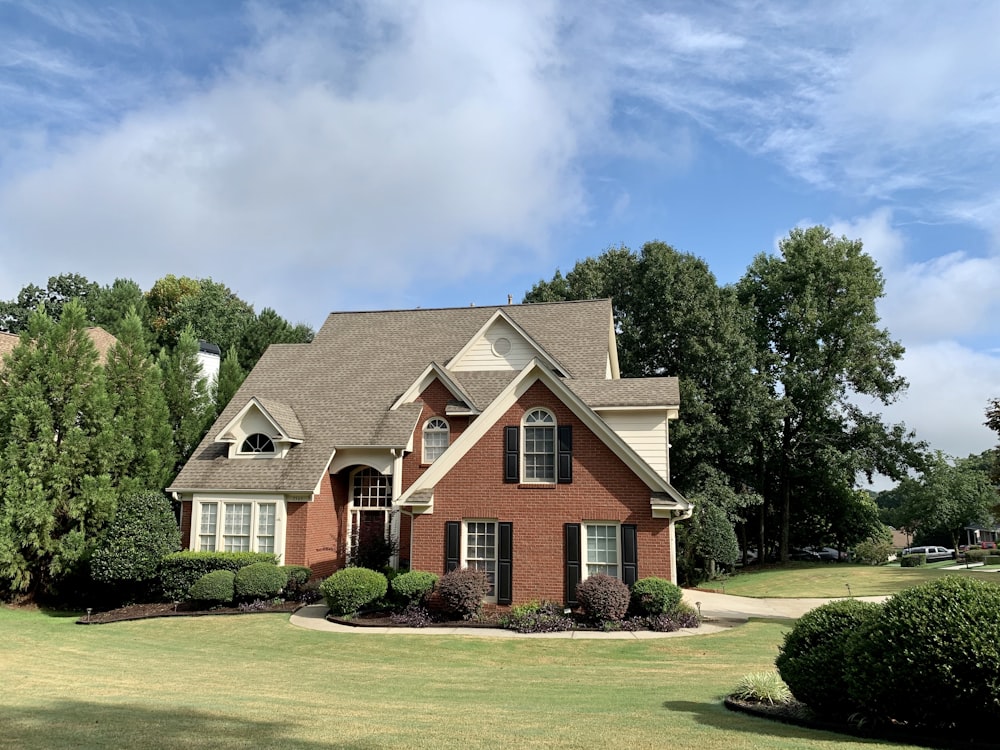
brown and white concrete house near green trees under blue sky during daytime


Lower Competition

In a high-interest rate scenario, lower competition among buyers can work in favor of those looking to purchase a house. Reduced demand due to higher borrowing costs can create a less competitive market environment, offering buyers more negotiating power and potential savings on property prices.

With fewer buyers vying for properties, those in the market have the opportunity to stand out with strong offers and secure deals that may not have been possible in a more competitive landscape. By leveraging the reduced demand, prospective homebuyers can approach negotiations with confidence, aiming for lower sale prices and favorable terms.

Successful home purchases in these conditions often involve thorough research to identify undervalued properties and strategic bidding to capitalize on the market dynamics. These strategies can lead to significant savings and a better overall investment in a high-interest-rate market.


More Negotiation Power

High interest rates can grant buyers more negotiation power when purchasing a house. Sellers may be more willing to entertain offers and compromise on pricing or terms to close a deal in a market with reduced demand and heightened cost of borrowing.

This increased bargaining power allows homebuyers to not only negotiate for a lower sale price but also for concessions such as repairs or upgrades before closing. By understanding the market dynamics and being prepared to walk away from a deal if necessary, buyers can leverage their position to secure more favorable purchase agreements.

In some cases, buyers have even managed to negotiate for seller-paid closing costs or extended closing timelines to suit their needs, all thanks to the advantageous conditions presented by high-interest rate environments.


Potential for Lower Home Prices

High interest rates may create opportunities for buyers to find properties at lower prices. In a less competitive market influenced by higher borrowing costs, sellers may be more inclined to reduce listing prices or offer discounts to attract motivated buyers.

This shift in market dynamics can lead to increased affordability and potential savings for buyers looking to invest in real estate. Identifying undervalued properties can become even more crucial during such times, as these properties have the potential for significant appreciation once interest rates normalize.

Buyers who carefully analyze market trends and neighborhood developments can capitalize on pricing opportunities that arise, making strategic moves to secure properties that align with their long-term investment goals.


Higher Return on Investment

Investing in a house during high-interest rate periods can offer the potential for a higher return on investment over the long term. While initial costs may be higher, the appreciation in property value and equity accumulation can lead to substantial wealth-building and financial growth.

Property ownership in such environments can act as a hedge against inflation, as real estate tends to appreciate in value over time. Rental income from investment properties can provide a steady cash flow, helping to offset borrowing costs and further enhance overall returns. By carefully selecting properties in high-demand areas or potential growth markets, investors can capitalize on market trends and enjoy the benefits of property ownership even in challenging interest rate climates.


If you’re looking to buy a home in the Myrtle Beach area, we’re here to help. We at The Boyd Team are committed to helping you find the right property for your needs and dreams. Any question that you have about moving to the area and finding your dream home by the beach is our pleasure to answer. Feel free to send us an email at eddie@boydteam.com or text or call us at (843) 222-8566, and we will get back to you as soon as we can. Being true natives of the Grand Strand and Horry County and with over 25 years of experience in the local real estate market, whether buying or selling, we can help you make your dreams a reality.  


No One Knows The Grand Strand Better! Trust, Knowledge, Experience, and Professionalism You Can Count On!

Posted in BoydTeam Blog
Jan. 15, 2024

From Sunshine to Palmettos: Navigating the Unique Lifestyle Shift in South Carolina

A woman reading a map while packing her suitcase.

Each state has its unique lifestyle, and South Carolina is no exception. Moving from Florida presents a unique lifestyle shift in South Carolina that involves adapting to new cultural norms, climate changes, and economic environments. That can be challenging as it encompasses many adjustments, from the social ambiance to the natural landscapes you'll encounter. Florida, known for its diverse, bustling communities and tropical climate, contrasts South Carolina's rich cultural heritage, seasonal weather patterns, and community-centric lifestyle. So, understanding these aspects will ease your relocation and help you settle into your new SC home.

Importance of Understanding Cultural Differences

When planning your move, embracing your new destination's local culture and social practices is crucial. With its tightly-knit communities, moving to SC presents a unique social environment distinct from what you might have experienced in Florida. Therefore, as you prepare for this relocation, you should consider hiring a Miami Beach moving crew to handle your relocation needs. After all, when you have professionals to help you, you have more time for exploring and getting to know the community. Not to mention that all the heavy lifting is handled by those with experience, helping you and your belongings be safe during the moving process.

Social Norms and Community Dynamics

Social norms and community dynamics in South Carolina differ from what you may have experienced in Florida. SC is famous for its strong sense of community. People often know their neighbors and participate in community events. Unlike the transient and tourist-driven communities in many parts of Florida, South Carolina offers a more stable community life. It's common for residents to engage in local activities and support small businesses. The state takes pride in its heritage and history, often celebrated through community gatherings and festivals. It's important to approach these new social settings with openness and a willingness to join the community.

Adjusting to the Local Cuisine and Food Habits

South Carolina's cuisine features comfort foods like barbecue, grits, and fried chicken. Seafood also plays a significant role, with dishes like shrimp and grits being a local favorite. Unlike Florida, where the cuisine is heavily influenced by Latin and Caribbean flavors, South Carolina's food culture is more traditional Southern.

Exploring local eateries and farmers' markets is a good idea to taste the regional flavors. Embracing these food habits can enhance your culinary experience and help you connect with the local culture. Be open to trying new dishes and ingredients. Understanding and appreciating the local food culture is not only about nourishment but also about immersing yourself in the unique identity of South Carolina.

Girls eating dinner in a restaurant.

Explore the local cuisine to see the Unique Lifestyle Shift in South Carolina.

Adapting to Climate and Environmental Changes

While Florida is known for its warm, humid weather and extensive coastline, South Carolina offers a more varied environment. That includes not just coastal areas but also mountains and inland regions. The change in environment impacts daily life, from the types of outdoor activities available to the kind of clothing you'll need. In South Carolina, you'll find opportunities to explore diverse landscapes, such as the Blue Ridge Mountains or the Congaree National Park.

Weather Patterns: From Tropical to Seasonal

Adjusting to the weather patterns in South Carolina is an important aspect of the unique lifestyle shift in South Carolina. Florida's climate is predominantly tropical, with hot summers and mild winters. In contrast, South Carolina experiences more distinct seasons. Summers are warm but not as intensely humid as Florida.

The state also experiences a true autumn, with cooler temperatures and changing foliage, contrasting Florida's year-round greenery. Winters in South Carolina can be colder, sometimes with light snow in certain areas, unlike Florida’s mild winter conditions. This shift in weather patterns means you'll need a more varied wardrobe to accommodate the cooler months. It also offers a chance to experience seasonal changes, including activities such as fall leaf-viewing or winter sports in the upstate regions.

Two people discussing the unique lifestyle shift in South Carolina.

SC has a strong sense of community.

Economic and Employment Shifts

Relocating from Florida to SC can enhance your career prospects and positively impact your finances. As South Carolina emerges as a hub for new businesses, it offers many job opportunities, contrasting with Florida's reliance on tourism and services. This economic dynamism goes hand in hand with the state's lower cost of living, particularly in housing and taxes, making it an attractive option for those looking to optimize their financial health.

Crucially, the cost-effectiveness of the move itself is a significant factor. By choosing affordable moving services like those offered by Miami Movers for Less, you can make a smooth relocation without overstretching your budget. They have a transparent pricing policy, with no hidden fees or extra charges. They also offer free estimates and discounts for various types of moves, such as long-distance, military, or senior. This smart financial approach to moving aligns perfectly with South Carolina's economic benefits, offering immediate savings and long-term financial growth opportunities.

Job Market and Employment Opportunities

The job market in South Carolina offers various opportunities but differs from what you might be used to in Florida. South Carolina's economy is growing in advanced manufacturing, aerospace, and biotechnology sectors. The state also has a strong presence in agriculture and automotive manufacturing. That contrasts with Florida, where tourism, hospitality, and real estate dominate the job market. In South Carolina, you'll find more opportunities in industrial and technological fields. For those looking for employment, it's important to research the region's key industries and job trends. Networking and connecting with local business communities can also be beneficial.

Two people shaking hands in a meeting.

Find new career opportunities after relocating.

Cost of Living and Financial Planning

The cost of living in South Carolina is generally lower than in Florida, particularly regarding housing and property taxes. This difference can have a significant impact on your financial planning. Housing costs in South Carolina are more affordable, offering a range of options from urban apartments to rural homes.

Daily expenses like groceries, utilities, and transportation may also be less expensive. However, it's important to plan your finances considering these changes. Creating a budget that reflects the cost of living in your new area can help you manage your finances effectively. It's also wise to explore the tax implications and insurance costs, which vary from state to state.

Explore the Unique Lifestyle Shift in South Carolina for Yourself

Moving from Florida to SC involves adjusting to a unique lifestyle shift in South Carolina. Understanding these differences – from community norms and local cuisine to climate changes and job opportunities – is key to a successful relocation. The cost of living in South Carolina can be more favorable, but it requires thoughtful financial planning. Embracing these changes can lead to a rewarding experience of new opportunities and a deeper appreciation for the diverse American landscape. As you navigate this journey, keep an open mind and be ready to immerse yourself in the unique character of South Carolina.

Posted in BoydTeam Blog
Dec. 26, 2023

Destination Discovery: Exploring Your New Community After a Move

A couple walks down the street

Relocating to a new place is a mix of emotions - excitement for what lies ahead and apprehension about leaving familiar territory. As you settle into your new dream home, one of the most rewarding experiences is exploring your new community after a move. This exploration is not just about finding the nearest grocery store or the quickest route to work. It's about immersing yourself in the local culture, connecting with neighbors, and discovering hidden gems that make your new area unique. Whether it's a quaint coffee shop around the corner, a friendly neighborhood park, or a community event where you can meet residents, each discovery helps transform a new location into your haven. This guide aims to set the tone for an enriching and enjoyable experience as you explore your new community, turning unfamiliar streets into familiar pathways and strangers into neighbors.

Making Your New Place Feel Like Home

After you've found a home, the first steps in the transition are often practical: completing local registrations and locating essential services like healthcare, schools, and utility providers. While seemingly mundane, these initial tasks are crucial for a smooth start in your new environment. Next comes the personal touch - turning a house into a home. It involves arranging furniture, hanging pictures, and adding decor that reflects your personality. These small, personal details infuse warmth and comfort into your space.

Take some advice from Number 1 Movers Canada—ask your movers to help you with the furniture lifting and placement. This way, you will avoid potential injuries. Also, it is wise to start unpacking with necessities like kitchenware, toiletries, and clothes. Gradually, as boxes are unpacked and each item finds its place, the new environment starts to feel familiar. Take one step at a time, and adjust at your own pace.

Exploring Your New Community After a Move

Relocating to a new community can be a lot to take in. To ease this transition, follow a structured approach to exploring your new surroundings. Here's a guide to help you navigate and appreciate your new neighborhood:

  • Start at the Library: Use the local library to learn about the area's history, upcoming events, and community programs.
  • Visit Town Hall: Town or city halls often provide valuable insights into local services, community initiatives, and opportunities for civic involvement.
  • Use Community Boards: These can be physical or online and are excellent sources for local events, classes, and meetups.
  • Maintain a Discovery Journal: Keep track of the places you visit and your experiences in a journal or a blog. 


a large number of books on the library shelves

Utilize the resources at the local library to gain insights into the region's history

Cultural Immersion: Museums, Galleries, and Local History

Visiting local museums and art galleries offers a window into the artistic and historical essence of the community. These spaces often house collections that tell the story of the area's past, its people, and their artistry. They serve as rich resources for understanding the cultural tapestry that makes your new home unique.

Beyond these indoor spaces, many communities boast significant historical sites and heritage spots. Exploring these landmarks provides a deeper appreciation of the area's evolution and role in the broader historical context. Participating in cultural events and festivals is also an excellent way to engage with the local community. These events offer a fun way to experience the local culture firsthand, meet new people, and create lasting memories in your new community.

The Art of Neighborly Networking

When settling into a new neighborhood, one key aspect is building connections with those around you. Meeting your neighbors fosters a sense of community and provides a support network in your new environment. A simple smile or a friendly greeting can be the perfect icebreaker. Hosting a small housewarming or spending time in shared community spaces like parks or local cafes can facilitate these initial interactions.

Attending neighborhood events, such as block parties or community meetings, is another excellent way to immerse yourself in the local culture and meet people with similar interests. Join local online groups or forums to get to know your neighbors easier. These platforms offer information about upcoming events, local businesses, and community activities. Engage in online discussions to break the ice before meeting in person.

two men warmly greet each other

Interacting with your neighbors cultivates a community spirit and establishes a valuable support network

Discovering Local Eats and Treats

Exploring the culinary landscape of your new community can be an exciting adventure when starting over in a new city. Local dining options often range from cozy cafes to elegant fine dining establishments, each offering a unique taste of the area. One of the joys of moving to a new place is the opportunity to try local specialties.

Many communities take pride in their local cuisine, and trying these foods can be a delicious way to connect with your new surroundings. Similarly, visiting local food markets is a great way to discover fresh, region-specific produce and artisanal products.

Navigating the Great Outdoors

Exploring your new community after a move often leads to lush local parks, scenic hiking trails, and diverse recreational facilities. These outdoor spaces are gateways to health, relaxation, and social interaction. Local parks provide a serene escape from daily routines, offering a chance to deal with the stress and anxiety after moving. For the more adventurous, hiking trails can be a way to explore the natural terrain and enjoy breathtaking views.

Recreational facilities, such as sports fields and public pools, are opportunities to engage in physical activities and even join community sports teams. These outdoor spaces are invaluable for families, providing safe and engaging environments where children can play and learn..

A large number of people enjoy a sunny day in the park

Exploring your new community after a move entails using parks as gateways to social interaction.

Activities for All Ages

Exploring your new community after a move can be a delightful experience for families. Here are some suggestions for family-friendly exploration:

·         Artistic Adventures: Look for local art studios or craft workshops. Participating in creative activities together can be both fun and educational.

·         Sports and Recreation: Sign up for sports or recreational activities for all ages. Whether swimming, tennis, or a family yoga class, staying active together is fun and healthy.

·         Participate in Family Events: Local events like fairs, sports games, or cultural festivals often have activities specifically for children.

·         Educational Opportunities: Look for workshops or classes in local community centers. These can range from art classes to science workshops, offering engaging learning experiences.

·         Make Exploration a Game: Create scavenger hunts or exploration challenges to make discovering new places exciting for children.

Final Thoughts

To sum up, exploring your new community after a move is not just a task but an exciting adventure waiting to unfold. We've discussed valuable tips and ideas to help you investigate and enjoy your new neighborhood.  So, as you step into this new chapter of your life, keep your curiosity alive and your sense of adventure intact.

Posted in BoydTeam Blog
Dec. 8, 2023

Exploring Historic Homes in South Carolina: A Buyer's Journey into the Past

Street with old houses painted in vivid colors

South Carolina, a state rich in history and tradition, is home to an impressive collection of historic homes. These homes, each with their own story, offer a unique glimpse into the state's past. For potential buyers, they are gateways to a bygone era. Also, their architectural beauty and historical significance create a remarkable ambiance, combining past elegance with modern comforts. Historic homes in South Carolina stand as proud representatives of the state's architectural heritage, ranging from grand plantations to charming cottages. This article aims to guide and inspire those interested in making one of these storied homes their own. It's not just about purchasing a property. It's about becoming a steward of history and contributing to the narrative of South Carolina's rich and storied past. 

Starting Your Journey: What to Know Before You Look

Before beginning the search for your dream home in South Carolina, engage in thorough research and thoughtful consideration. Begin by identifying the style and period you are interested in. Understand the preservation guidelines governing changes and restorations to maintain the property's historical integrity. Researching these guidelines can prevent future surprises and ensure you meet standards.

Financial planning is another critical aspect of this process. Purchasing and maintaining a historic home often requires significant time and money. Potential buyers should assess their budget realistically, factoring in possible renovation costs and the ongoing maintenance historic properties often require. It's also worthwhile to explore funding options, such as grants or special loans for restoring historic properties. This initial groundwork lays a solid foundation for a successful and informed purchase, aligning your dreams with the realities of owning a piece of history.

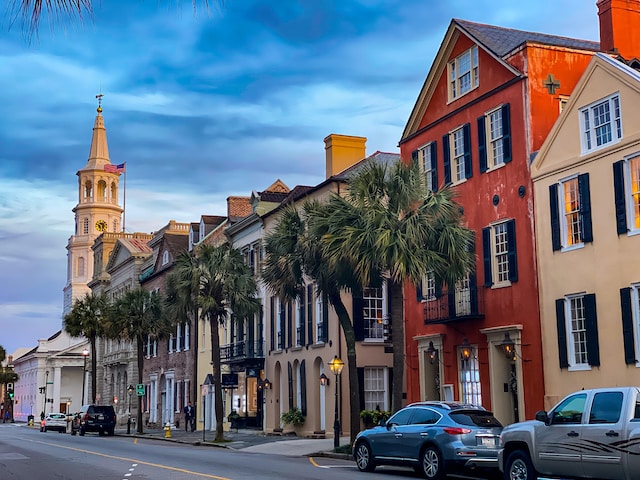
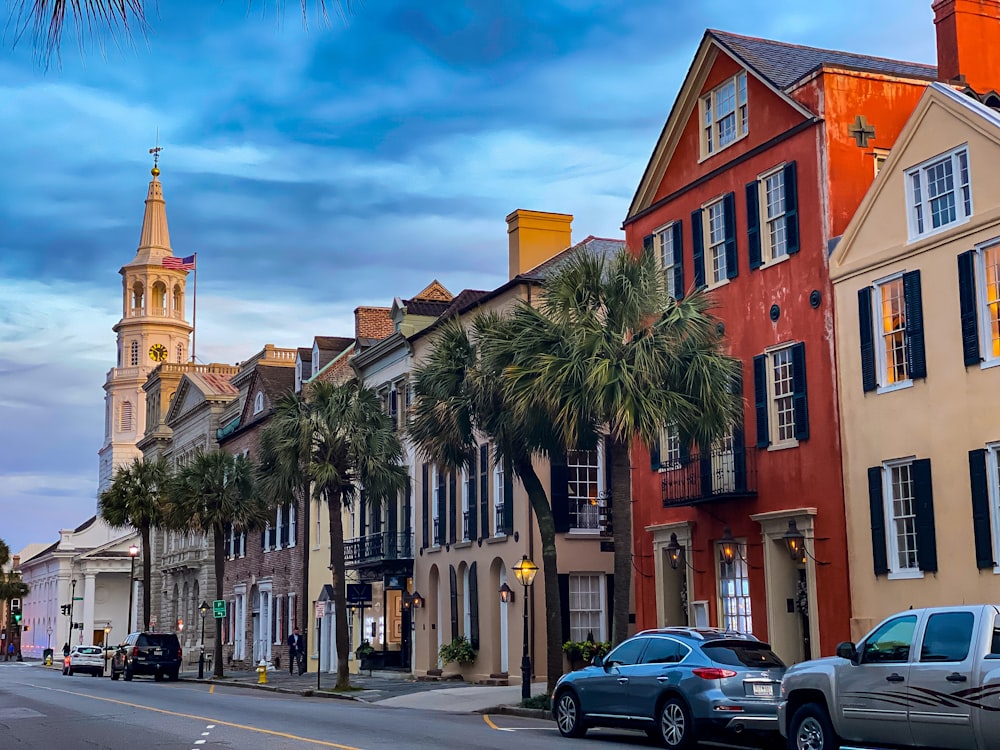
A street in Charleston

In Charleston, you can find exquisitely preserved architecture

Location Spotlight: Key Historic Districts

Historic districts dot South Carolina's landscape, offering a unique window into the state's rich heritage. Here's a closer look at some of them:

Charleston's Historic District:

This district has impeccably maintained architecture and picturesque cobblestone streets. Home to a diverse array of residences from the 18th and 19th centuries, including Georgian, Federal, and Greek Revival styles. 

Beaufort Historic District:

This district is renowned for its Antebellum architecture and picturesque waterfront views. It's known for its serene and tightly-knit community feel.

Georgetown Historic District:

Displaying an eclectic mix of architectural styles from Colonial to Victorian, this district is synonymous with a calm lifestyle and a community deeply invested in preserving its historical roots.

Camden Historic District:

Renowned for its significant role in the Revolutionary War and early 19th-century buildings, Camden features a blend of residential and commercial historic structures. 

These districts are living, breathing representations of South Carolina's past, offering residents a unique lifestyle deeply rooted in history and culture.

Living with History: The Lifestyle of Historic Homeowners

Living in a historic home is an experience that merges the grace of history with the comforts of modern life. These residences, rich in stories and architectural splendor, offer an environment that is unique and inspiring. Daily life in these historic homes involves preserving original elements while integrating modern conveniences. Homeowners become custodians of heritage, ensuring that the legacy of their homes continues for future generations.

At the same time, it is important for those moving into a new home to take good care of the property right from the start. Hiring professional movers is advisable, as they have specialized handling skills that will protect delicate architectural features and antique elements. With their narrow doorways, steep staircases, or sensitive flooring, older homes present unique challenges that professional movers are adept at navigating. That is why you should plan your interstate relocation carefully and choose trustworthy professionals. If moving from VA to SC, hire reliable cross-country movers to ensure a smooth transition into your new historic home. This approach safeguards your valuable possessions and the integrity of the property you are moving into.

A man wearing a yellow safety vest and helmet inspects a house

When buying historic homes in South Carolina, engage inspectors specialized in historic properties

Inspecting a Historic Home: A Specialized Approach

Inspecting historic homes in South Carolina demands a specialized approach, considering the unique aspects of older properties. These homes often hide issues, such as outdated plumbing or electrical systems, foundation problems, and materials no longer in use. Therefore, it is wise to engage inspectors who specialize in historic properties. They possess the expertise to identify and evaluate issues specific to these homes.

Finding the right professional involves looking for inspectors with experience in historic structures, ideally with a background in architectural history or preservation.

Lastly, prospective homeowners should expect responsibilities like potential restoration and maintenance challenges. Historic homes can require more attention and care, primarily if they aim to preserve their historical integrity. It could include sourcing period-appropriate materials or employing specialized artisans for repairs.

Historic Homes in South Carolina: A Buyer's Guide 

This guide offers a comprehensive step-by-step process for those interested in acquiring these unique properties and enjoying the benefits of home ownership. It emphasizes the importance of patience and due diligence throughout the buying journey:

Research and Education:

o    Understand the history and architectural styles prevalent in South Carolina.

o    Familiarize yourself with local preservation laws and guidelines.

Professional Assistance:

o    Engage with real estate agents experienced in historic properties.

o    Consult with preservation experts and architects for inspections and renovations.

Patience in Searching:

o    Take time to find a property that aligns with your preferences and needs.

o    Understand that these homes are rare and may require extended search time.

Due Diligence in Inspection and Documentation:

o    Conduct thorough inspections with professionals specialized in historic residences.

o    Ensure all historical documentation and restrictions are understood.

The couple prepares to sign the contract lying on the table 

Grants and tax incentives can greatly alleviate the financial strain

Financing Your Historic Home Purchase

It is wise to explore the various financing options tailored to historic properties when financing the purchase of such a home. You have traditional mortgages, loans, and grants designed especially for preserving and restoring homes. These financial aids often come with specific conditions, like maintaining the property's historical integrity, which buyers should understand thoroughly.

Grants and tax incentives can significantly reduce the financial burden. Some programs offer tax reductions for preservation efforts, making it more feasible to maintain these homes—research local and federal incentives for historic property owners, as these vary widely.

When budgeting, consider the purchase price and the ongoing restoration and maintenance costs. Historic homes may require more care and attention, leading to higher upkeep costs. Plan a budget that accommodates these expenses.

Conclusion

Owning historic homes in South Carolina brings together the rewards of preserving a piece of history and the responsibility of caretaking for the future. These homes are not just structures; they are narratives of the past, waiting to be continued by new owners. It's an investment in South Carolina’s rich heritage. For those who are ready to take on this role, the experience is unparalleled. It is about creating a bridge between the past and the future, ensuring that these homes' stories and architectural beauty are not lost but enhanced and cherished. As custodians of history, owners of historic homes play a crucial role in maintaining the cultural legacy of South Carolina, contributing to a unique and enduring future.


Posted in BoydTeam Blog
Nov. 25, 2023

Capitalizing on Your House: The Best Time to List Your Home for Sale

Selling a home is a huge decision that involves a slew of considerations, and one of the most critical factors is the timing of listing your property. In the real estate landscape, timing can significantly influence the success of your sale, both in terms of days on the market and total sales price. In this post, we'll explore the strategic aspects of when to list your home, considering both seasonal nuances and broader market dynamics. Understanding these factors can empower you to make informed decisions and optimize the visibility of your property in the market.


Free House Mortgage illustration and picture


Timing Is Everything


In real estate, timing is crucial. The real estate market experiences drastic seasonality, and knowing the right time to buy and sell can mean a difference of thousands of dollars. If you’re looking to sell your house, you should try to understand the impact that time of year can have.

Now, not everyone can be flexible with the time that they list their home. Sometimes your schedule is governed by the school calendar, work, or other commitments. However, if you’re able to strategically choose when to list your home, it’s a good idea to study up beforehand. The best resource is always a qualified realtor who can work with you to understand your area’s seasonal trends.


The Impacts of Seasonality


Each season is different in real estate, offering sellers different pros and cons along the way. Despite what you may read, there is no clear-cut best time to sell a house. The truth is that this is highly dependent on a lot of factors, including geography, your personal situation, and the climate in your area.

The spring can be an optimal time to list, as it is near the end of the school year. Many buyers are forced to operate based on the school schedule, and listing in the spring can facilitate a sale that accommodates these buyers. While the same could be said about the summer, spring is even more popular with families as it gives them time to truly settle in before the new school year begins.

Additionally, spring is comparatively better than summer because most people opt to vacation during the summer. With many buyers focusing on going out of town, the overall demand may dip.

While there is some truth to this, it should be taken with a grain of salt. While many potential buyers will be out on vacation, the most determined and compelled buyers will be actively hunting for homes. These motivated buyers are often the best people to sell your home to, and summer might be the time they’re most willing to pull the trigger on a purchase.

While spring and summer are great times to list a home, the colder months offer several advantages, too! In the cooler months, you can capitalize on the coziness of the seasons. If you stage your home properly, the weather can actually act as a major helper in getting your home sold. Tasteful fall or winter decorations on the exterior can add the curb appeal necessary to get a strong return on your home. While this is true, it’s important not to go overboard in decorating your house before you list it, as too many decorations can be tacky and work against you.


Free House Moving illustration and picture


Time the Sale Based on Your Needs, Not the Season

While the effects of seasonality can’t be ignored, the truth is that you only have so much control about when you sell your home. While waiting for the perfect time is a great idea, most sellers simply don’t have the flexibility to wait around until the right time comes. Whether the school year, a job, or a closing date on a new house is calling your name, you may not be able to hold off on listing your home for months until the spring rolls around.

If this sounds like it applies to you, don’t worry! This truth impacts the majority of sellers. At the end of the day, you should make the decision that makes your family the most comfortable. Comfort involves both finances and timing in this case, and it’s very important to try to strike a balance between the two.


Pay Attention to Interest Rates

One factor that also deserves consideration when discussing the best time to sell a house is the current interest rates. Interest rates are largely cyclical and they vary greatly throughout the year. An interest rate that is a couple of points higher or lower can mean hundreds to thousands more on your mortgage payment each month. While the interest rate shouldn’t solely govern your timing, paying attention to mortgage interest rate trends is always a good idea before you list your home. If rates are expected to drop, demand will likely increase. This makes you more likely to sell your home quickly and at the price that you hope to get in return.


Free Realtor Business vector and picture


This post has broken down some of the most important things to consider when it comes to timing the sale of your home. From seasonal considerations to broader economic factors, the best time to sell a house varies for everyone. As you prepare to list your home, remember that every market is unique, and individual circumstances play the biggest role of all. By staying informed, putting your own needs first, and consulting with a real estate professional, you can enhance your chances of a successful home sale, both in terms of time on the market and final sale value.


If you’re looking to buy a home in the Myrtle Beach area, we’re here to help. We at The Boyd Team are committed to helping you find the right property for your needs and dreams. Any question that you have about moving to the area and finding your dream home by the beach is our pleasure to answer. Feel free to send us an email at eddie@boydteam.com or text or call us at (843) 222-8566, and we will get back to you as soon as we can. Being true natives of the Grand Strand and Horry County and with over 25 years of experience in the local real estate market, whether buying or selling, we can help you make your dreams a reality.  


No One Knows The Grand Strand Better! Trust, Knowledge, Experience, and Professionalism You Can Count On!


Posted in BoydTeam Blog
Nov. 18, 2023

Energy-Efficient Home Upgrades to Consider for Your House

 As time goes on as a homeowner, you slowly begin to see areas that you want to upgrade. In fact, you may even observe these things before you ever even buy the house! While considering different upgrades, it’s crucial to think about ways to make them energy efficient. Energy-efficient upgrades are both better for your bank account and better for the environment. This post will explore ten of the best energy-efficient upgrades to consider for your home.


Energy-Efficient Upgrade 1: Smart Thermostats

The utilization of smart thermostats represents a pivotal step in optimizing the energy consumption of residential HVAC systems. These intelligent devices autonomously adapt temperature settings based on occupants' preferences and usage patterns. The result is a harmonious balance between occupant comfort and reduced energy consumption, translating into potential cost savings over time.

These smart systems employ advanced algorithms to analyze usage patterns, automatically adjusting temperatures when the home is unoccupied or during times of lower demand. This nuanced control not only minimizes energy waste but also contributes to a more sustainable and eco-friendly living environment. Some smart thermostats, like the Google Nest, can even detect when you leave a room and adjust the temperature accordingly!


Energy-Efficient Upgrade 2: Energy-Efficient Lighting

Transitioning to LED lighting is a prudent move for any homeowner looking to achieve prime energy efficiency. LED bulbs, renowned for their extended lifespan and energy conservation capabilities, not only contribute to a reduction in energy consumption but also mitigate long-term maintenance costs.

The evolution of LED technology has introduced features like dimmability and color temperature control, providing homeowners with versatile lighting solutions. Beyond their efficiency, these bulbs offer a customizable and aesthetically pleasing lighting experience. As LED prices continue to decrease, the economic advantages of this upgrade become increasingly apparent.


brown parquet floor


Energy-Efficient Upgrade 3: Energy-Efficient Windows and Doors

The role of windows and doors in maintaining a constant temperature within a home is substantial. Opting for energy-efficient windows, characterized by features like double-pane or low-emissivity glass, creates enhanced insulation.

In addition to their insulation properties, modern energy-efficient windows often incorporate advanced technologies such as gas fills and warm-edge spacers, further enhancing their thermal performance. Similarly, well-insulated doors with tight seals contribute significantly to reducing heat transfer. Beyond utility, these upgrades can positively impact property valuation, positioning your home as an energy-efficient and attractive investment.


Energy-Efficient Upgrade 4: Solar Panels

Solar panel installations represent a transformative approach to energy sourcing for residences. While the initial investment may appear formidable, the long-term benefits are noteworthy. Homeowners can witness a considerable reduction in electricity bills and, in certain instances, may even have the opportunity to contribute surplus energy back to the grid.

Advancements in solar technology, coupled with government incentives, make the prospect of solar panel adoption increasingly viable. The potential for energy independence and reduced reliance on conventional power sources positions solar panels as a strategic investment in a sustainable and economically efficient energy future.


Energy-Efficient Upgrade 5: Insulation Improvements

Effective insulation is a cornerstone of energy efficiency, regulating internal temperatures and reducing the strain on heating and cooling systems. Various insulation materials, ranging from fiberglass to foam, offer distinct advantages.

The depth and quality of insulation significantly impact a home's thermal performance. Consideration of factors such as insulation placement and comprehensive coverage ensures maximum efficiency. Whether pursued as a DIY endeavor or executed by professionals, enhancing insulation significantly contributes to a more energy-efficient home and, subsequently, long-term cost savings.


person in blue pants sitting on brown wooden floor


Energy-Efficient Upgrade 6: Efficient Appliances (Look for Energy Star Certified)

The selection of energy-efficient appliances holds considerable implications for overall energy consumption within a household. Appliances bearing the Energy Star label exemplify superior energy efficiency, resulting in diminished operational costs over their lifecycle.

The Energy Star certification indicates appliances that meet stringent energy efficiency standards set by the Environmental Protection Agency. From refrigerators to washing machines, the strategic replacement of outdated appliances with their energy-conscious counterparts is a great energy-efficiency upgrade. This transition not only enhances overall energy efficiency but also ensures the longevity and reliability of household appliances.


Energy-Efficient Upgrade 7: Water-Efficient Fixtures

The connection between water usage and energy consumption is a critical consideration in the pursuit of overall household efficiency. Installing water-efficient fixtures, such as faucets and showerheads, makes a huge difference to your utility bills.

Modern water-saving fixtures incorporate aerators and pressure regulators, maintaining optimal water flow while reducing overall consumption. Dual-flush toilets, offering variable flushing options, present an additional avenue for optimizing water and, by extension, energy utilization. These fixtures not only contribute to environmental conservation but also result in tangible reductions in water and energy bills.


gray Nest thermostat displaying at 63


Energy-Efficient Upgrade 8: Home Automation Systems

In the realm of energy efficiency, the integration of home automation systems emerges as a sophisticated yet accessible upgrade. These systems enable centralized control of various household functions, optimizing energy consumption based on real-time data and user preferences.

Smart home devices, ranging from programmable thermostats to intelligent lighting systems, contribute to a seamless and energy-efficient living experience. The ability to remotely monitor and adjust settings ensures that energy is used precisely when and where it's needed, reducing unnecessary waste. As technology advances, the affordability and user-friendliness of home automation systems continue to improve, making them an increasingly attractive addition for homeowners committed to energy efficiency.


Energy-Efficient Upgrade 9: Geothermal Heating and Cooling

For homeowners looking for a comprehensive solution for their heating and cooling needs, geothermal systems are a good option to look into. Unlike traditional HVAC systems that rely on external air, geothermal systems leverage the stable temperature of the earth below the surface. This translates to highly efficient heating in winter and cooling in summer.

While the upfront cost of geothermal installation can be significant, the long-term energy savings and environmental benefits make it a worthwhile investment. The minimal environmental impact, coupled with the potential for reduced energy bills, positions geothermal systems as a sustainable and forward-thinking choice for homeowners committed to energy efficiency.


Energy-Efficient Upgrade 10: Energy Audits and Regular Maintenance

Beyond specific upgrades, implementing routine energy audits and maintenance practices is crucial to ensuring the ongoing efficiency of your home. Professional energy audits identify areas of potential improvement, from insulation gaps to inefficient appliances. Armed with this information, homeowners can strategically prioritize upgrades based on their individual needs and budget.

Regular maintenance of existing systems, such as HVAC units and solar panels, is equally crucial. Simple tasks like cleaning filters, checking insulation, and ensuring proper sealing of windows and doors contribute to the sustained efficiency of your home. Additionally, addressing any issues promptly can prevent energy waste and extend the lifespan of your energy-efficient upgrades.


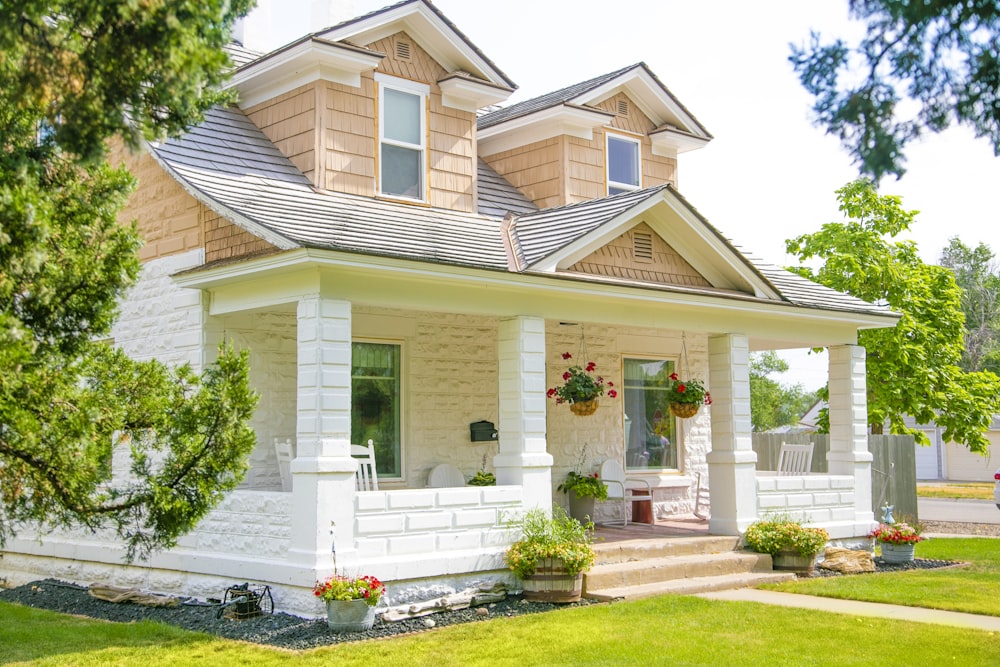
white and brown concrete house


The Holistic Impact of Energy-Efficient Upgrades

As we consider each of these energy-efficient upgrades individually, it's essential to recognize their collective impact on the environment, homeownership, and the broader community. Beyond the immediate benefits of cost savings and increased property value, these upgrades contribute to a more sustainable and resilient living environment.

Reduced energy consumption translates to a decreased reliance on fossil fuels, lowering carbon footprints and mitigating the environmental impact of residential living.


The implementation of energy-efficient upgrades within residential spaces is a pragmatic and forward-thinking project. Smart thermostats, LED lighting, energy-efficient windows and doors, solar panels, insulation improvements, energy-efficient appliances, and water-saving fixtures collectively represent a comprehensive approach to mitigating energy consumption.

These modifications don’t just offer environmental perks; they also embody a strategic alignment of economic prudence and sustainable living. The implementation of any or all of these upgrades will likely make a big dent in your monthly utility bills, and most homeowners are very happy they decided to take these steps.


If you’re looking to buy a home in the Myrtle Beach area, we’re here to help. We at The Boyd Team are committed to helping you find the right property for your needs and dreams. Any question that you have about moving to the area and finding your dream home by the beach is our pleasure to answer. Feel free to send us an email at eddie@boydteam.com or text or call us at (843) 222-8566, and we will get back to you as soon as we can. Being true natives of the Grand Strand and Horry County and with over 25 years of experience in the local real estate market, whether buying or selling, we can help you make your dreams a reality.  


No One Knows The Grand Strand Better! Trust, Knowledge, Experience, and Professionalism You Can Count On!

Posted in BoydTeam Blog
Nov. 16, 2023

The Ins and Outs of Condo Living in South Carolina

a modern apartment indicative of condo living in South Carolina
Living in a condo in South Carolina is becoming an increasingly popular choice, offering modern amenities, community living, and scenic beauty. Whether you're a young professional, a retiree, or somewhere in between, understanding the nuances of this lifestyle choice is crucial. This blog aims to explore the various facets of condo living in South Carolina, highlighting both its allure and the considerations that come with it.

The Appeal of Condo Living in South Carolina

South Carolina's condos are not just about a place to live. They're about a lifestyle. Picture waking up to breathtaking oceanfront views or the quaint charm of a historic city. These condos come equipped with a range of amenities. Luxurious pools, comprehensive fitness centers, and vibrant community events are just the tip of the iceberg.

At the same time, for many, the cost-effectiveness of condo living is a significant draw. Lower maintenance costs than traditional homes, combined with the convenience of having many utilities and services handled by the Homeowners' Association (HOA), make it an attractive option.

But there's more to it. Condo living in South Carolina can significantly improve the quality of life for its residents. The ease of access to local attractions, combined with the built-in community aspects, fosters a socially rich and relaxed lifestyle.

Understanding Condo Communities

Condo communities in South Carolina are about fostering connections. These communities often organize social events, fostering residents' strong sense of belonging. This aspect particularly appeals to those looking to move to South Carolina, as it offers an instant community.

The role of HOAs in these communities is essential. They maintain communal spaces and ensure that the community’s standards are upheld. However, potential condo owners must understand the HOA's rules before committing, as these can vary significantly between communities.

Exploring Local Attractions and Lifestyle

Living in a condo in South Carolina also means being close to many attractions and lifestyle opportunities. The state is known for its rich history, gorgeous beaches, and vibrant cultural scenes. From the historic streets of Charleston to the lush landscapes of the Upstate, there’s something for everyone. Condo residents enjoy weekend getaways to these local spots, making the most of South Carolina's offers.

Residents can indulge in the local cuisine, famous for its Southern charm and seafood specialties. Many condo communities are conveniently located near culinary hotspots, offering diverse dining experiences. In addition, South Carolina's many galleries, theaters, and museums provide endless opportunities for exploration and enjoyment for those interested in arts and culture.

Adapting to Seasonal Changes in South Carolina

One unique aspect of condo living in South Carolina is adapting to the state's distinct seasonal changes. The region experiences various seasons, from warm, vibrant summers to mild winters.

Many condos are designed to provide optimal comfort throughout these seasonal shifts, with energy-efficient heating and cooling systems and community amenities that change with the seasons, such as heated pools for winter and landscaped gardens for spring and summer enjoyment.

This adaptability ensures year-round comfort and allows residents to experience and appreciate the natural beauty and climatic diversity of South Carolina from the comfort of their homes.

The Practicalities of Condo Ownership

The financial aspects of condo ownership in South Carolina are multifaceted. Prospective buyers should know the ongoing costs, such as HOA fees, property taxes, and insurance. These fees can impact your budget, so factoring them into your decision-making process is essential.

Legal considerations are also critical. Every condo community has its bylaws and regulations, which can affect everything from pet ownership to renovation possibilities. Additionally, the current real estate market trends in South Carolina show a healthy interest in condo living, making it a potentially wise investment. Understanding these trends can help you make a more informed decision whether you're looking to buy or rent.

Navigating Your Move To A Condo

If you're considering a move from Canada to a condo in South Carolina, it is advisable to arrange a stress-free transfer. Moving internationally, particularly when hiring cross-border movers, can be complex. Therefore, ensuring that you have a reliable moving company to handle your belongings can make the transition to condo living in South Carolina smoother and less daunting.

Researching movers with experience in cross-border relocation, understanding customs regulations, and planning your move well in advance are key steps to a successful transition. This preparation not only eases the logistical challenges but also sets the stage for a positive start in your new South Carolina condo.

Challenges and Considerations

Despite its many benefits, condo living in South Carolina comes with its challenges. Privacy can be more limited in a condo setting, and living close to neighbors means noise could be a concern. Space constraints are also a common issue, especially for those used to larger, standalone homes.

Another critical aspect is the potential for conflicts with HOA rules and regulations. It's one of the common mistakes homebuyers make – not thoroughly understanding or considering these rules before moving in. Familiarizing yourself with the HOA’s regulations and assessing if they align with your lifestyle is crucial.

Environmental Sustainability and Green Living

There has been a growing emphasis on environmental sustainability in condo developments in recent years. Many condos in South Carolina are now incorporating green living practices. These include energy-efficient appliances, sustainable building materials, and recycling programs. For those conscious of their environmental impact, this is an appealing aspect of condo living in the state. It represents a commitment to a comfortable lifestyle and a responsible one.

Conclusion

Condo living in South Carolina offers a unique combination of community, convenience, and lifestyle benefits. However, like any housing option, it comes with its own set of challenges and considerations. We recommend thoroughly weighing these factors against your personal needs and preferences. With the right approach and understanding, you can find a condo in South Carolina that meets your needs and enhances your quality of life.

Posted in BoydTeam Blog