CATCH THE WAVE

Myrtle Beach Real Estate

We Specialize in Myrtle Beach, SC Real Estate. Lots of options are waiting for you in Myrtle Beach, South Carolina and choosing the right realtors can help you in finding the perfect area and the right home for you and your family and make your dream a reality!  Let us help you in making one of the biggest, if not the biggest, decisions in your life.   

We were both born and raised along the Grand Strand and know the entire Horry County, so no matter what style of home you are looking for or what area you prefer, we can help you!  Please give us a call and let us help you make your dream a reality!  843-222-8566.

Eddie & Julie Boyd - The Boyd Team - Realtors

Myrtle Beach Real Estate - INNOVATE Real Estate


Dec. 21, 2022

The Country Music Restaurant In South Carolina Where You’re Guaranteed To Have A Blast

The Country Music Restaurant In South Carolina Where You’re Guaranteed To Have A Blast


It’s relatively easy in South Carolina to find a restaurant on the water that has live music. But not all of them have the history, the food, and the location of this unique country music restaurant (by day) and bar (by night) located just steps from the Atlantic and the famous Promenade in Myrtle Beach.

This legendary restaurant (by day) and bar (by night) is all you can imagine and more. It’s a come-as-you-are kind of place you’re sure to love. Have you been to The Bowery in M.B.?

The Bowery is located at 110 9th Ave. N, Myrtle Beach, SC 29577. It’s also just steps from the beach and the Myrtle Beach Boardwalk and Promenade. Learn more on their official website.


Courtesy of Robin Jarvis

Posted in BoydTeam Blog
Dec. 16, 2022

Nights Of A Thousand Candles, A South Carolina Christmas Display, Has Been Named Among The Most Beautiful In The U.S.

Nights Of A Thousand Candles, A South Carolina Christmas Display, Has Been Named Among The Most Beautiful In The U.S.

Brookgreen Gardens is a world-famous 91,000-acre sculpture garden and wildlife preserve located in Murrells Inlet, a nature lover’s paradise about 16 miles southwest of Myrtle Beach. Any time of the year, Brookgreen Gardens is a magical place. How do you get better than magical? The Christmas season has a way of making everything, even the most awesome experiences, even better. And that is certainly the case with Brookgreen Gardens, whose Nights of a Thousand Candles display has been named one of the best Christmas lights displays in the United States by U.S. News and World Report.

For more information about the Brookgreen Gardens Nights of a Thousand Candles, visit the Brookgreen Gardens website and Brookgreen Gardens Facebook page. And be sure to check out one of the best gift shops in South Carolina, also in Murrells Inlet, where you may want to stop by on your way to the gardens for a little Christmas shopping!

Have you been to this Christmas event in South Carolina? Share your experience with us in the comments section below!

Address: Brookgreen Gardens, 1931 Brookgreen Garden Dr, Murrells Inlet, SC 29576, USA
Courtesy of:
Posted in South Carolina Seasonal December 14, 2022 by 
Posted in BoydTeam Blog
Dec. 15, 2022

Pros and Cons of Investing in a Fixer-Upper


Pros and Cons of Investing in a Fixer-Upper


Real estate investors who plan to repair a house before selling it or renting it out may find that buying a fixer-upper is a lucrative investment strategy. They present an opportunity to acquire a home in need of extensive renovation. They make those improvements and reap the rewards of that investment by way of a higher resale price. This suggests that the residence may be resold at a profit or rented out for a higher monthly rate. Let's take a look at the pros and cons of investing in a fixer-upper so you can decide if this is the right real estate investment strategy for you.


Pros of investing in a fixer-upper


Purchases at a lower price

A great advantage is a reasonable cost. Buying a property that needs work might be a great option for people looking to get into homeownership but who might not have the funds to do it otherwise. Due to the necessary improvements, the asking price is often much below its true market value. Anyone looking to move from a studio to a one- or two-bedroom apartment, or anyone looking to begin their property investment journey, can benefit from this. You should know the fastest way to pack and move long distances. The process can be slow, but there are tricks to make it quicker. If your budget is tight, this might be the biggest pro for you.


Spending less on taxes

Stamp Duty is a form of property tax that is determined by the home's selling price. This means that the taxes on a fixer-upper will be lower than on a more expensive, turnkey home. Since Stamp Duty is exempt for first-time buyers on homes up to $300,000, this additional benefit is unavailable to them. If the house is worth $450,000, they will pay no stamp duty on the first $300,000 and 5% on the remaining $150,000. However, this might mean significant cost savings for other clients. When renovating a damaged property that has been unoccupied for at least ten years or converting a structure into a residence, the Value-Added-Tax (VAT) may be refunded.


Easy to personalize

Buying a home that needs work might be a great investment because of the flexibility it offers. During the time frame of the house renovation, you are free to put money into any parts you like; you are not required to purchase a completed home.

You have the option of upgrading the home in any way you see fit, including the bathrooms. If you're a buyer or investor, being able to tailor the home to your specific needs might have long-term benefits.


Opportunity to move to a better neighborhood

The location will play a role in the final cost of a fixer-upper. Keep that in mind if you're in the market for one. If none are available in your preferred neighborhood, it might be useful to investigate properties with potential issues since they often sell for far less money.


You decide your level of involvement in the project

If you are handy or want to develop a long-term project for your home, you may save money. You can do that by completing the improvements yourself. You should probably hire a professional to handle the plumbing and electrical systems in your home. However, if you're handy and have some spare time, you can do a lot of the updating and remodeling yourself, including painting.


Cons of investing in a fixer-upper

Expensive repairs and renovations

Depending on the extent of the work that has to be done, the cost of house renovations might easily exceed the original budget. According to experts from Centennial Moving, the key is to not buy a property that will require extensive repairs that might put you beyond your budget. However, as we'll see in the following section, this isn't guaranteed because of the possibility of unexpected costs, particularly in the case of acquiring an unfinished home.


Financing becomes more challenging

It might be more difficult to secure a mortgage for a home that needs work. Some financial institutions, such as HSBC, require a home to be "livable," meaning it has a fully functional kitchen and bathroom, before they will provide a mortgage for renovations. A mortgage lender could withhold funds from the purchase of a rundown home. It's called "mortgage retention" when this happens. Until you meet specific requirements, the lender will withhold some of the loan funds. Even if a surveyor estimates the home's value at $200,000, they may suggest that the lender set aside $4,000 to pay for a necessary electrical rewiring. The owner may have to take out a loan to cover the shortfall. After the completion of the project, the lender releases the retained money, and the loan is reclassified as a standard mortgage.


The process is time-consuming

After the sale of a property has been finalized, it is usual for the buyer to have an immediate desire to begin establishing themselves in their new community. You might have to invest a lot of effort (months to years). But you could turn a run-down house into the home of your dreams. One of the options is delaying your move. The other is getting used to the idea of living in the center of a construction site.


Unanticipated issues

Many of the problems with fixer-uppers aren't immediately obvious. It's possible that, even after a home inspection, you'll find that you need to do some further, pricey repairs. Unanticipated issues may necessitate extra costs. That can cause you to go over your budget, potentially reducing the profitability of the project. Some problems with older houses can't be seen on a superficial inspection.


In conclusion

Buying a home that needs work represents a substantial financial commitment. A lot of effort and money will be needed. And once you've signed on the dotted line, there's no turning back, even if you later change your mind. You're committed for the foreseeable future, which may be months or even years. If you're willing to invest the time and effort, though, a fixer-upper might be your ticket to the house of your dreams. In some ways, it's better than buying a house that's "turnkey ready." Hopefully, after reading this guide, you’ll have a better sense of whether investing in a fixer-upper is right for you.


kw: investing in a fixer-upper
Meta: Fixer-uppers need extensive repairs, upgrades, and restorations. So before you buy one, learn more about investing in a fixer-upper.
https://unsplash.com/photos/awBsXJlakXk
https://unsplash.com/photos/xoU52jUVUXA
https://unsplash.com/photos/lCPhGxs7pww

Posted in BoydTeam Blog
Dec. 10, 2022

15 Things to Look for When Buying a House if You Have Kids

15 Things to Look for When Buying a House if You Have Kids


Buying a house is one of the largest financial commitments you will ever make in your life. While most people wind up eventually buying a different house at some point down the line, there is no doubting how significant of a financial and time commitment your first home purchase is. There is so much you need to do to properly vet the houses that you are looking at, regardless of your situation. From the layout and size to the price and the location, there are simply so many factors that go into finding the right house. The home buying process tends to take a while, and this is a good thing in many ways!


Regardless, there is so much to consider when selecting a home. If you have children, the situation gets even more complicated! While adults can be a little bit more flexible when it comes to living environments, there are 15 things to look for when buying a house if you have kids that are absolutely crucial. This post is going to dive into all 15 of these things, pointing out what exactly you should be considering as you shop for a home.

 

man in white shirt carrying girl in gray shirt


1.     A Highly Rated School District


While homeschooling and private schooling are options for many families, the simple fact is that most parents send their children to public school. Specifically, about 90% of American children go to public school! This means that selecting a house that is located in a top-ranking school district is crucial. While it may seem a bit outlandish, prices vary drastically depending on the school district that a house is located in. After all, schools are funded by local property taxes, so it makes sense that the communities with higher home values yield higher ranking school districts!


Naturally, you probably want to send your children to the nicest school district possible, and in most states the only way to do that is to own a property within the school district’s geographical area. This is what makes buying a house in the right area so important, and it is best to look into this before a purchase is made!


2.     A Nicely Sized Yard


Fresh air is incredibly important for children. While living near parks and other nice public outdoor spaces is always a good thing, nothing beats having your own private outdoor space where your children can safely play and run around. Many parents think that they will be find just living near public parks, but they quickly find out that it is very hard to multitask when they need to walk their children to the park. Having a private back yard often makes multitasking with housekeeping duties much more manageable. As we all know, time is very scarce, and anything that you can do to save time is often invaluable!


As children grow older, this becomes a bit less important. The swet spot for having a large yard is ages 3 to 13, where children are much less independent, need plenty of outdoor exercise time, and need constant moderation. Once they get a little older, they will likely pursue exercise and activity through sports and other extracurriculars, making a backyard a bit less necessary.


3.     A Safe Floorplan or Layout


This means different things at every age. For toddlers and infants, one of the biggest things to consider is doorways and passageways that can hold a baby gate. Being able to limit these little ones to one or two rooms at a time is often crucial to protecting them, as they find ways to get into trouble way too easily!


As they get older, one of the big things to think about is the age of the home and the materials used. Older homes tend to have a lot more loose screws and nails holding things together (like in the floorboards) and it is all too easy for a rambunctious 6-year-old to stomp right on a nail sticking up or to pull away at old flooring and expose dangerous materials.


4.     Proximity to Parks and Amenities


While having a nice yard is important, living near nice parks and other amenities is always a huge advantage when you have children. Being able to pop your little ones into a wagon or stroller and walk to the grocery store, park, or coffee shop is a great way to get them out and about without the need to load up in the car.


On top of just getting them some fresh air, living within walking distance of these amenities can make your life easier, too! Living within quick walking distance of a grocery store, for example, eliminates the need to round up all the troops, load them up in the car, and drive 10 minutes to go pick up the basil you forgot to grab for dinner. Popping them into the stroller or wagon is often easier, and it provides you all with some fresh air, too!


5.     At Least One Bathroom with a Bathtub


Many parents (or parents to be) neglect to shop for homes that have a bathtub. This is a thought that often slips through the cracks, and many parents think that they can get by with just a shower. While this may work for babies, it gets much more difficult as the child grows into a toddler! Having a bathtub is a very valuable aspect in any house, and installing one can be a major hassle and investment.


Finding a house that is already equipped with a bathtub eliminates a lot of headache and expense down the road. Many people don’t realize how expensive it can be to install a bathtub in a house that is not pre-equipped for one, and the costs certainly add up!

girl in bathtub tasting water from black faucet

6.     An Open or Eat-in Kitchen Layout


Cooking is a lot of work. From preparing the ingredients, to actually cooking them, to cleaning up the mess and dishes that are left after the meal, making a meal for a family with children is a lot of work. If you are the only parent home, cooking a meal and watching the kids at the same time can be literally impossible to accomplish.


If you purchase a home with a closed kitchen plan, making a meal for your kids gets even more complicated. Having an open or eat-in kitchen makes this so much easier, as you can keep an eye on your children while you work in the kitchen to get everything ready to eat. Afterwards, if your children will not help you do the dishes, you can give them something to do at the table while you clean so that you can keep an easy eye on them.


7.     Enough Bedrooms for Your Future Family Size


This piece of the homebuying puzzle is complicated. Often, people can only afford to buy the size house that they need at the time of purchase, and buying their dream home is far out of reach. If you can’t afford a larger home, it is very important that you don’t overspend. After all, mortgages last for 30 years, and you don’t want to bury yourself too far in insurmountable debt.


However, something that you absolutely should consider is purchasing a home that is sufficiently large for the full size of the family you intend to have, even if you haven’t had all of your kids yet. While not every child needs their own room, buying a two bedroom home likely will not work if you plan to have three or more children. In this case, you may opt to sacrifice a bit on location to expand your purchasing power to include an extra bedroom or two.


8.     A Large Laundry Room


Laundry is a chore that takes a very long time, and the more children you have, the more work goes into keeping their clothes clean! If you have several children, it is often a good idea to search for a house that has a nicely sized space to do laundry. Whether this is the basement or a dedicated laundry room, many parents with several kids discover that a stacked washer and dryer tucked into the bathroom simply don’t provide enough space for them to do laundry efficiently for the whole family.


At the end of the day, time is a limited resource. Doing all that you can to invest in time-saving spaces is invaluable, and paying a few extra thousand dollars to purchase a house with a nice laundry room will likely be worth it in the end!


9.     A Room That Is Easy to Convert into a Playroom


Children are notorious for making messes. If you allow them to take their toys all over the house, you will likely have a lot of cleaning up to do later! Purchasing a house with a floorplan that is amenable to creating a dedicated playroom is usually a very beneficial decision, as it gives your children a room that they can own and take pride in while also making your job easier as a parent. Limiting messes to one room makes hosting dinner guests much easier!


10.  A Safe Surrounding Neighborhood


This point is often correlated with the first point on our list, but not always. As a parent, your principal job is to protect your children at all costs. The world is not always a safe place, and it is prudent to ensure that the house you are buying is in a safe neighborhood. Some very nice school districts have some very dangerous neighborhoods, and some very bad school districts have some very nice neighborhoods. It is a really good idea to vet the neighborhoods you are looking at before you sign on the dotted line for a loan that will cost you hundreds of thousands of dollars over several decades.


11.     As Few Floors as Possible


We touched on this in the section about safe floorplans. One key element to choosing the right house when you have children is choosing a house that has as few floors as possible. If your children are all older, this is less applicable to you. However, if you have any children that are still infants or toddlers, it is safest to choose a home that has as few floors as possible.


Selecting a ranch style home is one of the safest options, but the supply of ranch style homes is not very high. As a result, this point might be less attainable in many areas, but should remain high on your priority list if you worry about your children accidentally tumbling down the stairs.


12.     Local Regulations and Restrictions that Are Favorable to Families with Children


Depending where you buy a house, there may be regulations that restrict the things you do with your home. Some communities do not allow pools and trampolines, for example, while others might not allow certain kinds of pets. Some communities do not allow homeowners to install fences! It is always best to talk to your real estate agent to determine what rules and regulations govern the properties that you are looking at so that you can properly understand what you are signing up for.


13.     Built-in Storage


As your family grows, so will the amount of stuff you need to store. Each child will likely have their own collection of things that ultimately need to find a home within your home, and it is very easy to run out of room. Rather than renting a storage unit or building a shed, consider looking for a house that already has built-in storage spaces, like storage rails on the garage ceiling or a storage room in the basement.


14.     A Fence Fully Surrounding at Least One Yard


Privacy is incredibly important. There is no perfectly safe neighborhood anywhere in the world, and keeping other out of your personal space is often a good idea in today’s society. Even if you know and trust your neighbors, maintaining privacy in your yard is almost always a good idea and a fence is one of the best ways to attain that. While privacy is nice, fences also offer a high degree of safety for families with children.


If you have a fence, you can let your children roam around in the yard much more freely than if you do not. If you are looking at houses near a major road or highway, the importance of a fence grows exponentially. Having the ability to let your kids roam around the back yard while you get work done around the house opens up a lot of time in your day, and studies show that this time outdoors is crucial for their development!


15.     A Community or Neighborhood That Allows Pets


Not everyone loves animals, and not every family is a pet family. However, one thing that is undeniably true is that many families who initially do not intend on getting a pet eventually get one once their children beg long enough! Many kids strongly desire a puppy or a kitten to play with, and a lot of parents eventually give into this desire.


If you anticipate that your children might one day ask you for a pet, it is important that your neighborhood allows you to have pets! While most neighborhoods allow traditional pets like cats and dogs, some neighborhoods have much stricter restrictions and it is a good idea to understand what they are before you buy.


Thank you for reading our post on things to look for when buying a house if you have kids. Buying a home is always a very involved process, and it is even more challenging when you have a full family to consider. From safety, to fun, to quality of education, there are simply so many things that can impact your children’s experience in the home that you buy. Hopefully this post has provided you with some key things to consider while you shop for a home for your family!


If you decide to visit Myrtle Beach or any other place in South Carolina and fall in love, reach out to us for help. We at The Boyd Team are always here to help you figure out whether Myrtle Beach is your next home or not, and we are committed to helping you find the right property for your needs and dreams. Any question that you have about moving to the area and finding your dream home by the beach is our pleasure to answer. Feel free to send us an email at eddie@boydteam.com or text or call us at (843) 222-8566, and we will get back to you as soon as we can. Being true natives of the Grand Strand and Horry County and with over 25 years of experience in the local real estate market, whether buying or selling, we can help you make your dreams a reality.  

No One Knows The Grand Strand Better! Trust, Knowledge, Experience, Professionalism, You Can Count On!

Posted in BoydTeam Blog
Dec. 5, 2022

Project Home Renovation: What to Expect

Project Home Renovation: What to Expect

A home renovation is a big project. There are a lot of moving parts, and it can be daunting to try to tackle everything yourself. In this blog post, The Boyd Team will walk you through what you can expect during a home renovation. We'll cover topics like budgeting, contractor selection, timeline, and more. By the time you're finished reading this, you'll be an expert on how to prepare for your upcoming home remodel.

Types of Home Renovations

There are many different types of home renovations. Some common types of home renovations include:


  • Kitchen renovations

  • Bathroom renovations

  • Bedroom additions

  • Basement finishing

  • Attic conversions

  • Garage conversions


No matter what type of renovation you're planning, there are a few things you can expect. Let's take a look at some of the basics.

Home Office Additions  

If your plan is to add a home office as part of your renovation project, there are a few things to keep in mind. First, you'll need to determine how much space is necessary. Then you'll need to consider things like lighting, ventilation, and ergonomics when choosing a location for your office. You'll also need to make sure your office is properly wired. When the time comes to work with a contractor, outline exactly what you want so they understand your vision.

You Need a Timeline and Schedule

One of the first things you'll need to do is establish a timeline and schedule. This will help ensure that your renovation stays on track and is completed in a timely manner. When creating your timeline, be sure to factor in contingencies for unexpected delays.  For example, if you're planning a kitchen renovation, you may want to plan for the possibility that your appliances could be delayed.

Budget Carefully

Budgeting is one of the most important aspects of any home renovation. You need to make sure you have enough money set aside to cover all the costs associated with your project. When estimating costs, it's important to remember that there will always be unforeseen expenses. As such, it's advisable to add at least 10% to your budget to account for these unexpected costs.

Contractor Selection

If you're not doing the work yourself, then you'll need to hire contractors. When selecting contractors, get bids from multiple companies. You should also ask for references and check those references before making your final decision. Once you select a contractor (or contractors), be sure to sign a contract that outlines the scope of work and includes provisions for changes that may come up during the course of the project.

Apps and Software 

In today's world, there are many different apps and software programs available to help with home renovations. Your contractors will likely use some type of project management software to keep track of deadlines, budgets, and other important details associated with your renovation. There are also apps available that allow you to see 3D renderings of your renovation project. With this option, you can get an idea of what the finished product will look like.

The Benefits of a Home Warranty

A home warranty can be a valuable asset after a home renovation. It can help cover the cost of repairs or replacements if something goes wrong. As such, it's important to make sure you have a home warranty in place once your renovation is complete. There are many different home warranty companies available, so it's important to do your research before selecting one. Be sure to read the terms and conditions carefully, so you know what is and is not covered.


As you can see, there's a lot to consider when it comes to home renovations. If you follow the tips laid out in this post, your renovation project will go smoother than you ever thought possible. When you know what you want, have a budget, a timeline, and an understanding of how your contractor will manage and estimate costs, you can go into this project feeling more confident in the end result.


Image via Pexels


Posted in BoydTeam Blog
Dec. 5, 2022

How You Can Benefit from a Home Warranty


How You Can Benefit from a Home Warranty

Your home is likely the most significant investment you will ever make, so it makes sense to safeguard it in every manner possible. A home warranty is a great way to keep your home safe and reduce the likelihood of a costly failure. It is also great if you want to maintain the functionality of your house's equipment as well as how it looks. There are many advantages to having a home warranty, but unfortunately, not everyone is aware of the need for or the availability of such a warranty. For this reason, today, we'll discuss home warranties and why they're so important. But we will also discuss how you can benefit from a home warranty.


What Exactly Is a Home Warranty?

Many people think a home warranty is the same as home insurance, but that is not the case. Although house insurance and home warranties may seem similar at first glance, they are quite distinct. If you're a homeowner or looking to buy a new home, a house warranty may aid you in doing necessary repairs and upkeep. Furthermore, a home warranty comes in handy when repairing or replacing major appliances, such as vacuum cleaners or refrigerators.


On the other hand, home insurance, sometimes known as homeowner's insurance, is there to compensate you if you incur losses due to catastrophic events. In the event that a storm knocks down a tree in your yard and damages your roof, you may file a claim with your insurer. Typical home insurance will not cover your house's usual wear and tear. With that in mind, we must also mention that no matter if you are getting an insurance policy or a simple warranty, you must do extensive research. Choose the right services when looking for a home warranty company.


To What Extent Does a Home Warranty Protect You?

The majority of home warranties extend coverage to the following systems and appliances located throughout the home:


  • Cooling and heating.

  • Heating, Plumbing, Electrical.

  • Refrigerators, dishwashers, ovens, and built-in microwaves are examples of kitchen appliances.

  • Washing machine and dryer.

  • Automatic garage door opener.


Depending on your needs, you may need only one type of warranty. However, if you, for example, have pets, considering a combination plan may be a good idea. Now that we have explained what home warranties are, we will go over how you can benefit from a home warranty.


1 It Can Help You Save Money

The biggest benefit of having a house warranty is that it protects homeowners from having to pay out of pocket for unexpected repairs. If you have a home warranty, you no longer need to maintain a separate emergency fund for unforeseen issues in your home. This can help significantly simplify your financial planning. Although there may be an initial cost, you will end up saving quite a bit of cash in the long run. 


Major selling points of home warranties are the lack of a waiting period and the wide variety of policies available. According to Consumer Opinion, there are dozens of warranty options you can choose from. Additionally, you should look at your home warranty as an emergency fund that will protect you and your property in unforeseen circumstances.


2 Unlimited Maintenance Visits

Everyone needs assistance from time to time. However, getting the assistance you need can sometimes be easier said than done. For instance, maybe your refrigerator is making strange noises, and you have no idea what's wrong. Or your toilet is clogged, and you have no idea how to fix it; you're in the middle of a shower when you discover that your water heater has broken. DIY repairs are unnecessary if you have a home warranty, but not only that, assistance is just a phone call away. When you have access to unlimited service calls, you can be confident that you will get assistance as soon as possible.


3 You will have Peace of Mind 

With a home warranty, you can rest easy knowing that you won't be financially responsible for any damage. There is a certain amount of money in the reserve to pay for any necessary replacement equipment or service. Warranty costs may seem frivolous initially, but in the long run, they prove to be well worth it since they provide much-needed peace of mind. A house warranty is good, even if you are ready to sell it. Yes, many things can hurt the value of your home, and broken appliances are one of them. However, if you have a warranty in place, you don't have to worry.


4 It Can Help You Maintain a Safe Environment

Each and every homeowner has safety as their number one priority. You can rest easy knowing that your utilities, like electricity and gas, are covered by a solid home warranty policy. Home warranties will pay for installing safety equipment like smoke and carbon monoxide detectors. Moreover, suppose you find any of these components to be malfunctioning. In that case, you may contact the warranty service and request that a technician be sent to your location to have a look and make the necessary repairs.


How to choose the best home warranty plan

If you are looking to benefit from a home warranty, it's important to remember the following:


  • Price – A home warranty can protect you from unexpectedly high repair bills. When the cost of a home warranty plan exceeds the value of its services, the policy is not a good financial decision.

  • Research – Many companies provide home warranty protection, and all claim to be the finest. Reading customer testimonials is a good idea to learn more about the quality of their service.

  • Coverage – This is the single most crucial factor when looking for house warranties. To get the most out of a home warranty, it's important to make sure normal wear and tear on appliances and systems is covered. Learn about the caveats as well.


Now that you know how you can benefit from a home warranty, hopefully, you will implement it for your home.


Image used: 


https://unsplash.com/photos/doplSDELX7E


Posted in BoydTeam Blog
Dec. 3, 2022

Should You Buy a House in Foreclosure for Your First Home?

Should You Buy a House in Foreclosure for Your First Home?


Buying a home is a very big decision. There are very few things you will ever buy that cost more money or take longer to pay off, after all! Most houses take three decades to pay off, and the sticker prices are measured in the hundreds of thousands. These high prices are often very limiting to young buyers, as the amount of cash necessary just to make a down payment can feel simply unattainable. Many first-time homebuyers try to consider all of their options, as traditional pathways to buying a house are often out of reach for them.


One alternative avenue that many homebuyers follow is to try buying their first home through foreclosure. This process can offer some drastic savings to buyers, but it definitely comes with risks. This post is aimed at helping first-time homebuyers who are thinking of buying a home that is in foreclosure, answering key questions such as “What is foreclosure?”, “Is buying a home in foreclosure safe?”, and more.


American couple moving into newly purchased house


What Is Foreclosure?


Foreclosure is a process that occurs when a homeowner is no longer able to make their mortgage payments. There are several different types of foreclosure, but most of them lead to the sale of the home or property so that the mortgage lender can make back the money that they are owed. In most cases, the lender is unable to make back the full amount that the borrower owes them, but they are at least able to get a large portion of the amount very quickly.


Foreclosure is something that both lenders and borrowers want to avoid as much as possible, as it damages a borrower’s credit score and strips them of most of the equity they have in their home, and it reduces the total amount of money that a lender makes off of a mortgage. Basically, for lenders and for borrowers, foreclosure is a bad thing. For prospective buyers, though, it can be very good depending on several different factors.


Types of Foreclosure


Generally speaking, there are three main types of foreclosure: judicial foreclosure, non-judicial foreclosure, and strict foreclosure. The idea is the same in each case, but the administrator and the timeline of the sale vary. In a given state, any one of these or combination of these may be legal.


Judicial Foreclosure


The judicial foreclosure is arguably the most common type of foreclosure in the United States, as it is legal in all 50 states and even mandated in some. With a judicial foreclosure, the mortgage lender files a juncture with the state or local court system to initiate the foreclosure. This usually happens after the borrower misses their third straight mortgage payment, which is known as going 90 days past due. When the court approves the juncture, the borrower is sent a letter notifying them of what will be happening if they don’t catch up on their payments. Specifically, the letter indicates that foreclosure will occur if the borrower is not able to repay all that they are behind on over the course of about 30 days. If the buyer is unable to pay up in time, the house or property is sold at an auction conducted by a local court or sheriff.


Nonjudicial or Power of Sale Foreclosure


While the judicial foreclosure is available all over the country, the nonjudicial foreclosure is only available in a much more limited set of states. It is also known as a statutory foreclosure, and it is only permitted in states where the mortgage paperwork is permitted to contain a power of sale clause.

The power of sale clause is a snippet of the contract that allows lenders to auction off a delinquent property without the need to bring in the courts or judicial system. Naturally, there are usually restrictions that govern the application of this clause, like requiring lenders to endure certain waiting periods and notify borrowers a preset number of times. These rules vary depending on the state and municipality where the foreclosure is taking place. As the third-party is eliminated, nonjudicial foreclosures are often quicker than judicial foreclosures. However, some states allow borrowers to appeal the foreclosure process in a court, which ultimately slows the proceeding down and can make it last even longer than a standard judicial foreclosure.


Strict Foreclosure


Of the three types of foreclosures listed in this post, the strict foreclosure is by far the rarest. In fact, only a couple of states in the entire country even allow it. Strict foreclosures are not common, and they are usually only permitted in situations where the home in question is worth less than the amount that is currently owed on the mortgage. With strict foreclosures, the lender files a motion to take direct ownership of the house rather than needing to commit to selling it. If the proceeding is approved, the lender has the option to do whatever they want with the house rather than just immediately slating it for auction.


white and brown wooden house on a cloudy day in spring


What Are the Advantages of Buying a House in Foreclosure?


1.     Houses in foreclosure tend to sell for far below market value


When a house enters foreclosure, it is because a borrower is very behind on their mortgage payments. Going through the foreclosure process is not very rewarding for mortgage lenders, despite the quick influx of cash, and they often do all that they can to afford having to go into foreclosure. However, once the lender decides that the best or only option is to file for foreclosure on a property, the proceedings tend to go very quickly. When a lender files for foreclosure, they are usually already accepting the fact that they are going to lose money on the property in question.

At the point of a foreclosure auction, the lender is normally just trying to get as much as they can for the property as quickly as possible. As they usually prioritize speed over amount, buyers are usually able to get away with paying significantly below market price for homes and properties. At the end of the day, lenders are just trying to quickly recover some of their loss, and they have very little control over the final selling price when a house or property is sold auction style. The house goes to the highest bidder, whether that bidder offers a fair price or not!


2.     Foreclosure auctions usually happen quickly


Similar to the previously mentioned point about lower prices, another advantage of the foreclosure process is the expedited timeline that comes with it. By the time a mortgage lender files for foreclosure, they are simply looking to offload the property in question as quickly and effectively as possible. While they would love as much money as possible for the property, they prefer to get it off their hands as soon as they can. This shortens negotiation phases, contemplation time, and other normally drawn-out parts of the buying process.


For example, most people who win foreclosure auctions are already preapproved by a lender for the full value of their bid or offer before the auction commences. Some are even prepared to pay in cash! Being preapproved cuts down the paperwork time significantly, which is part of what makes the transaction go through so efficiently. If you are hoping to buy a house quickly and start the move-in phase, certain houses in foreclosure afford you that opportunity.


3.     Lack of competition from other prospective buyers


Buying a house in foreclosure is not a very popular thing to do – especially for first-time homebuyers. There is a lot of inherent risk involved, and the process as a whole is very intimidating. Buying a house the traditional way is intimidating enough! If you are able to look past the intimidating aspects, the financing aspect can be just as difficult. Foreclosure auctions are often won by cash or mostly cash bids, which can be extremely hard for buyers to attain.


The combination of both of these factors makes winning a foreclosure auction very difficult, which whittles down the total number of prospective buyers. This means that if you are someone who is prepared to buy the house out of foreclosure, both mentally and financially, you will likely have a fairly easy time doing it.


white and brown concrete house on a cloudy day in spring


What Are the Risks of Buying a House in Foreclosure?


1.     Most foreclosure auctions do not allow for walk-throughs


As lenders are normally trying to get foreclosed houses off of their hands as quickly as possible, they try to skip as many steps in the selling process as they can. One step that almost always gets skipped is the allowance of walkthroughs and inspections. These take time, especially when every interested buyer wants one. Lenders know that they normally can sell foreclosed houses for decent amounts even without allowing inspections, and this has become the normal practice. While there are inherent risks involved with buying a house in foreclosure, most buyers in this market are real estate investors who know what they are doing, anyway. They walk into the auction ready to assume this risk, which is a huge advantage for mortgage lenders.


2.     Foreclosure auctions operate on tight timelines


This point appeared as both an advantage and a disadvantage because it can be either depending on your situation. While some people are looking to purchase a house as quickly as possible, others prefer to take their time and truly vet the house that they are bidding on (which is normally a pretty good idea). If you are bidding on a house in foreclosure, you likely do not have the precious time to think about your decision, get your paperwork in order, and properly weigh your decision. This is part of why first-time homeowners are usually better off avoiding foreclosure auctions! They already have very little experience in the housing market, and foreclosure auctions are not the best place to learn.


3.     Buyers assume all liens on foreclosed homes


When you buy a house, you assume full ownership rights of it. In traditional cases, this is a good thing. You own the land, the house, the yard, and in many cases even the ground below and air above the property. If oil is found in your back yard, for example, you usually have rights to it! After all, for a house to be sold in a regular market, there are certain documents that need to be in order and payments that need to be current for the sale to even go through, which gives both buyers and sellers a certain degree of security.


In the case of a foreclosure, being fully responsible for the property carries a different kind of weight. When you buy a foreclosed home, you normally buy it as-is. You get everything that is inside, and you immediately gain full rights to the house. Nice! What is not so nice is that you also inherit any debts and liens against the title, and you are responsible for any repairs that are imminently necessary. These costs can add up, and buyers often don’t know about them until the sale has fully gone through.


4.     Current owners might occupy the house even after the auction


This one is a little rare, but it absolutely happens. In certain types of foreclosures, current owners are allowed to occupy the house for a certain amount of time after the sale. In other cases, they simply don’t want to leave even if they are not allowed to stay. While the chances are slim, buying a foreclosed house might mean you become the landlord of tenants who don’t want to leave, and you may need to file an eviction notice to get them out of the home. After all, nobody wants to have their home taken away from them, and that is exactly what a foreclosure is.


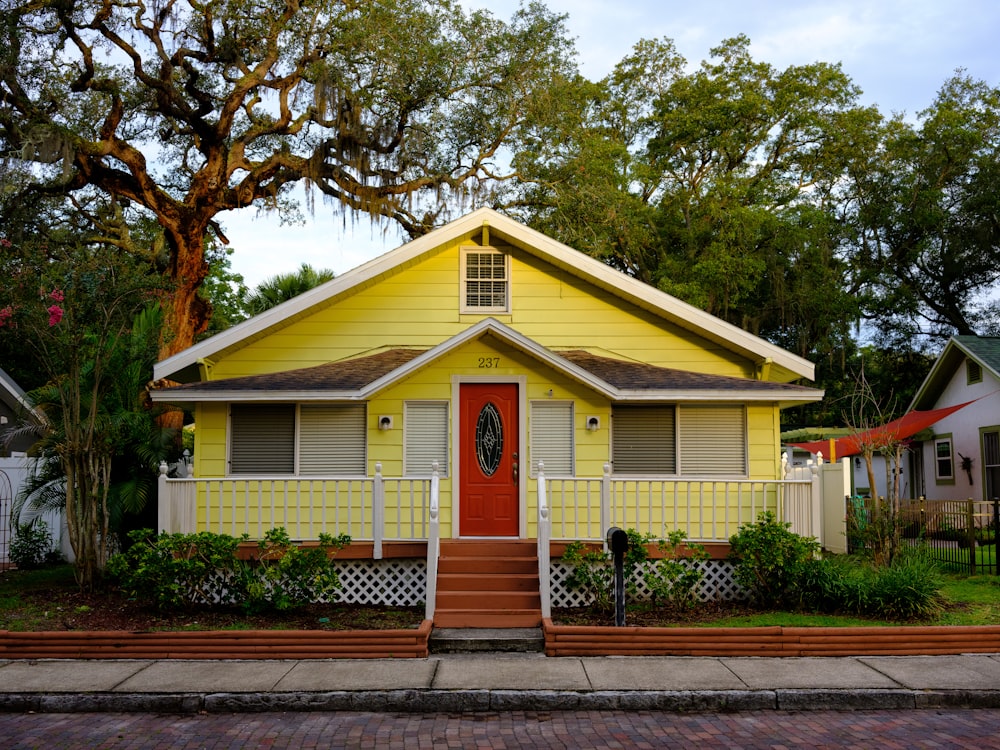
white and yellow wooden house near green trees during daytime


Should You Buy a Foreclosed House as Your First Home?


There is no great one size fits all answer to this question. On one hand, buying a house out of foreclosure can provide some real savings opportunities to prospective first-time homebuyers. This is incredibly valuable, as most first-time homebuyers struggle significantly just to make a hefty down payment. Buying a house out of foreclosure often shaves down total home prices, which leads to a watered down and much more affordable down payment. On the other hand, buying a home out of foreclosure inherently involves a lot of risk, and many first-time homebuyers are not in a strong enough financial position to safely assume this risk.


As we mentioned above, most houses bought out of foreclosure must be purchased without an inspection or a walk-through, and almost all foreclosure sales are on an as-is basis. Many foreclosed homes are either in disrepair or vandalized on the inside, too, which leads buyers to shell out additional cash once the sale goes through. This risk is often too much for first-time homebuyers, and it is why real estate investors usually edge out first-time homebuyers when foreclosure auctions take place.


Is Buying a Home in Foreclosure Safe?


If you have read this far, you already know the answer to this question. No, buying a home in foreclosure is not safe at all. There are many inherent risks, and there is very little way to mitigate them without hiring an expert to attend the auction and pre-auction proceedings with you. If you are a first-time homebuyer, it is highly advised that you avoid foreclosure auctions, as there is a really good chance that you will get stuck buying a home that you absolutely should not buy. There is a reason that most foreclosure auctions are won by real estate investors, and it is usually best to leave those houses for them, anyway.


Thank you for reading our post on buying your first home out of foreclosure. Buying foreclosed homes is not for everyone, as the risk involved can often far outweigh the benefits – especially for first-time homebuyers. If you are skilled at home repair and have a flexible move-in date, buying a house out of foreclosure may be a suitable option for you. However, if you have kids, have less flexibility, or are less skilled with home improvement tasks, you may be better off buying a home through more traditional avenues.


If you decide to visit Myrtle Beach or any other place in South Carolina and fall in love, reach out to us for help. We at The Boyd Team are always here to help you figure out whether Myrtle Beach is your next home or not, and we are committed to helping you find the right property for your needs and dreams. Any question that you have about moving to the area and finding your dream home by the beach is our pleasure to answer. Feel free to send us an email at eddie@boydteam.com or text or call us at (843) 222-8566, and we will get back to you as soon as we can. Being true natives of the Grand Strand and Horry County and with over 25 years of experience in the local real estate market, whether buying or selling, we can help you make your dreams a reality.  

No One Knows The Grand Strand Better! Trust, Knowledge, Experience, Professionalism, You Can Count On!


Posted in BoydTeam Blog
Nov. 26, 2022

A Beginner’s Guide to Refinancing Your Mortgage

A Beginner’s Guide to Refinancing Your Mortgage


Buying a home is probably the biggest purchase of your life. There are very few other things that come with a price tag of hundreds of thousands of dollars, and equally few things that take so long to pay off! The whole homebuying process can be enough to make first-time homebuyers’ heads spin, as there are simply so many terms and concepts that need to be understood before you can confidently close on a house. While this is the main reason that finding a good realtor is crucial, you can’t expect the realtor to simply do everything for you! While they will always operate with your best interest at heart, nobody knows your own goals, desires, and finances better than you.


One of the concepts that often gets mentioned when applying for mortgages is refinancing. Refinancing is a tactic that many homeowners employ after several years of owning their home, as it can provide drastic financial benefits. Especially as the market faces very high interest rates these days, the idea of refinancing is as relevant as ever. This post is going to explain all that you need to know about refinancing as a first-time homebuyer so that you can better imagine what to expect if you ever explore refinancing your mortgage.


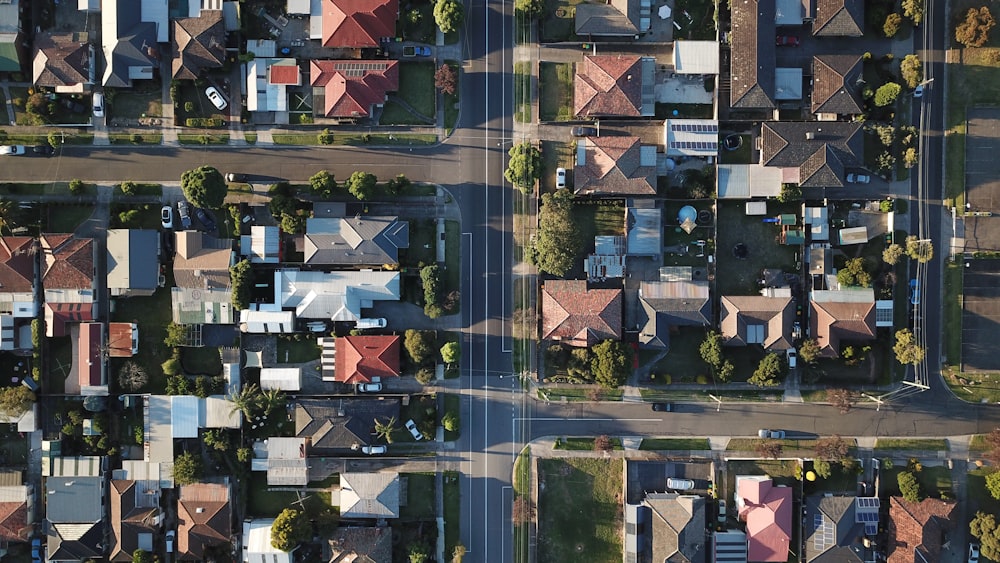
Drone shot of houses during daytime


What Is Refinancing?


Refinancing is the act of replacing your current mortgage with a new one that has different terms and conditions. When you refinance, the new loan may have a different interest rate, interest rate type, loan length, loan value, or some other change. While many people think that refinancing is simply changing some terms in your mortgage contract, this is a common misconception. When you refinance, your current mortgage is voided and you begin an entirely new loan. As we will discuss later in this post, refinancing your mortgage can offer significant financial benefits – including lower monthly payments and drastic savings over the life of the loan - but they do not come without a cost.


How Do You Refinance a Mortgage?


Refinancing a mortgage works pretty much the same way as getting a mortgage in the first place. To begin the process of refinancing, you need to meet with mortgage lenders and apply for a refinanced mortgage. Just like when you initially got your mortgage, lenders are likely to offer you different terms and conditions, which is why shopping around is incredibly important. Each lender will review your financial history and positioning and offer you the package that they believe is appropriate for your level of risk.


The refinanced mortgage that they offer you will be different than your initial mortgage. After all, the whole point of refinancing is to make a change! You may opt to change the amount of the loan, the interest rate, the length of the loan, the type of interest rate, or something else. While there are many reasons to refinance a mortgage, the most common one is to attain a lower interest rate.


There are certainly benefits to refinancing your mortgage, but the process doesn’t come without costs. Firstly, many refinanced mortgages’ timelines are reset to zero. So, when you take out the refinanced loan, it is likely that your 30-year window will reset. While some mortgage lenders may be willing to write you a loan that syncs up with the amount of time left on your current mortgage, odds are that you will need to adapt to the timeline of a new 15-year, 20-year, or 30-year mortgage.


On top of that, refinancing comes with literal costs as well. When you refinance, you need to pay a whole new round of closing costs, which can often total up to 5% of the value of the loan. If you are looking to sell your house sometime soon, it is possible that the costs of refinancing outweigh the benefits.


white and red wooden house miniature on brown table with keys

Types of Refinancing


Refinancing comes in many shapes and sizes, as it can accomplish many different goals for homeowners. Depending on the type of refinancing that you select, you may reap the benefits in the short-term, long-term, or somewhere in between. There are 8 main types of refinances:


1.     Cash-in Refinance


When you choose a cash-in refinance, you opt to inject a large amount of cash into your homeowner’s equity. This is a common choice for people who come across large amounts of money from inheritances, legal payouts, or other occasions of chance. It is also a popular choice for people who were behind on their mortgage but suddenly have the ability to get back on top of their payments. When you opt for a cash-in refinance, you practically pay a second down payment that can earn you a higher percent of equity in your home and lower your interest rate.


2.     Cash-out Refinance


When you choose a cash-out refinance, you walk away from the lender with a larger mortgage than you previously had. If you owed $300,000, for example, you might walk away owing $350,000. The difference is that the lender gives you the difference in cash at the moment of refinancing. This type of refinancing is a popular way to get your hands on large amounts of cash when you are in a pinch. Cash-out refinancing enables you to get your hands on tens of thousands of dollars urgently, and there is a possibility that it will not even make your monthly mortgage payment any higher. As long as you have paid enough of your current mortgage and opt for a long enough refinanced loan length, your monthly payment might stay put or even decrease.


3.     Rate and Term Refinance


Rate and term refinances are for people who want to change an aspect of their mortgage but have no immediate financial need driving them to do so. While cash-in refinances and cash-out refinances help some people with immediate cash issues, rate and term refinances are usually for individuals who are in a fine financial position but can improve it by altering their mortgage. With a rate and term refinance, homeowners can seek lower interest rates or different loan terms by canceling out their current mortgage and beginning a new one. This is one of the most popular types of refinances.


If your income suddenly increases drastically and you want to pay off your house sooner, you may opt for a 15-year mortgage through a rate and term refinance. Similarly, if interest rates drop and your mortgage is written at a 7% interest rate, you may opt to refinance to take advantage of lower rates and save thousands in the long run. This type of refinancing is the one that people are typically referring to when they talk about buying a house in a high interest rate environment and refinancing it when interest rates go down.


4.     No Closing Cost Refinance


No closing cost refinances allow homeowners to take advantage of new interest rates or loan terms without needing to immediately pay closing costs. As we noted before, refinancing usually requires homeowners to pay a second round of closing costs, and this type of refinancing allows homeowners to avoid this. Instead of shelling out up to 5% of the loan cost at signing, no closing cost refinances roll the closing costs into the loan and spread them out over the monthly payments. This increases the monthly payment but decreases the amount of financial pressure at signing. This is often a great option for homeowners who are looking to sell their property soon, as they can avoid some of the refinanced closing costs.


5.     Reverse Mortgage           


A reverse mortgage is technically a type of refinancing, but it is entirely different from every other option on this list. Reverse mortgages are only available to homeowners over the age of 62 who have a strong amount of equity in their home. When a homeowner takes out a reverse mortgage, they actually receive monthly payments from the mortgage lender rather than making them! This is often a helpful way for senior citizens to sustain themselves when they are low on income. At the end of the loan, or when the homeowner passes away, the bank is entitled to a corresponding portion of proceeds from the sale of the house to pay them back for the monthly payments issued to the homeowner.


6.     Short Refinance


A short refinance is a compromise between a mortgage lender and a borrower who is on the verge of foreclosure. This is a last resort option that helps struggling borrowers to make payments and avoid foreclosure, as foreclosure is a bad thing for both the borrower and the lender. With a short refinance, the lender lowers the monthly payment and the total value of the loan to a point that the borrower can afford. While the lender loses money by doing this, they lose substantially less than they would if the house went into foreclosure. The borrower is helped with a forgiveness of part of their debt, but penalized with a hit to their credit score.


7.     Debt Consolidating Refinance


A debt consolidating refinance is a popular option for people who have several different lines of debt that they are making payments on each month. Despite the high interest rates in the current environment, mortgages are generally some of the lowest interest loans that you can get, due to their high value and their long loan terms. Debt consolidating refinances are popular options for people who are in significant credit card debt, as rolling that debt into a mortgage helps to avoid the staggering interest rates that come with credit cards.


8.     Streamline Refinance


Streamline refinances are only available to borrowers with certain types of federally sponsored mortgages, like VA loans, USDA loans, and FHA loans. When a borrower with one of these types of loans seeks a streamline refinance, they are able to take out a new mortgage without the need to go through several time-consuming steps of the refinancing process, like the appraisal. This type of refinance is very limited due to the restrictions on loan types, but can be very useful to homeowners who do qualify.


white and red house with big front yard


Reasons to Refinance


1.     Refinance to decrease your monthly payment


One of the most common reasons to refinance is to decrease your monthly payment. Many people buy a house expecting their income to rise over time, and they are met with many surprises along the way. Decreasing your monthly mortgage payment can provide a little bit of relief each month, and it can be attained by lower the interest rate or lengthening the loan term.


2.     Refinance to decrease your interest rate


Another one of the most common reasons to refinance is to lower your mortgage’s interest rate. Interest rates are determined by the Federal Reserve, and there is a good chance that they will decrease or increase during the life of your loan. Obviously, you do not want to refinance into a higher interest rate if you can avoid it. However, if the interest rate drops a few points after you make a few years of payments, refinancing to take advantage of the new interest rates can save you tens of thousands of dollars.


3.     Refinance to pay off your home sooner


Buying a house is a huge financial commitment, and most borrowers are cautious not to take out too large of a mortgage when they buy their first home. If their income goes up after a few years and they are able to afford a higher monthly payment, they may opt to refinance to a shorter mortgage that allows them to fully own their house and stop making monthly payments sooner.


4.     Refinance to relieve other financial burdens


Another common reason to refinance a mortgage is to alleviate other financial burdens. A house is likely the most valuable asset that any person owns, and its equity can be a very valuable source of collateral. Many people with mounting debts roll those debts into their current mortgage to lower the interest rate and alleviate some of the immediate pressure that comes with compounding interest and missed payments.


5.     Refinance to gain financial flexibility


Certain types of refinances provide homeowners with more cash in the short-term, either in the form of decreased monthly payments or a lump sum. This money can be used to pay other expenses that would otherwise require a loan themselves, like college tuition and medical bills, or it can simply be used to enjoy life a little bit more in the present, like by going on a nice vacation.


white and brown concrete house recently sold


Does Refinancing Your Mortgage Affect Your Credit Score?


Refinancing absolutely has an effect on your credit score. Your credit score is calculated based off of several factors, one of which being your loan history. Naturally, terminating one huge loan and taking out another is going to have an impact on your credit score, simply because of the size of the loans in question. On top of that, each mortgage lender is likely to do a credit check, and each credit check temporarily lowers your credit score. In most cases, the effects of refinancing are very minimal and short-lived, as it is unlikely that your new mortgage is much worse than your current one. The temporary hit to your credit score is mostly just due to the fact that big changes are occurring, and once the dust settles your score usually returns to where it was before the refinancing process started.


Thank you for reading our beginner’s guide to refinancing a mortgage. Refinancing is not for everyone, but it is a great option for many homeowners who are looking for increased financial flexibility or control. As the current interest rates are very high, there is a good chance that refinancing in the next few years could provide you with thousands of dollars of savings. With that being said, buying a house and banking on refinancing your mortgage later is not always a good idea, and you should be sure to consult with your realtor and mortgage lender before taking any drastic steps down this path.


If you decide to visit Myrtle Beach or any other place in South Carolina and fall in love, reach out to us for help. We at The Boyd Team are always here to help you figure out whether Myrtle Beach is your next home or not, and we are committed to helping you find the right property for your needs and dreams. Any question that you have about moving to the area and finding your dream home by the beach is our pleasure to answer. Feel free to send us an email at eddie@boydteam.com or text or call us at (843) 222-8566, and we will get back to you as soon as we can. Being true natives of the Grand Strand and Horry County and with over 25 years of experience in the local real estate market, whether buying or selling, we can help you make your dreams a reality.  

No One Knows The Grand Strand Better! Trust, Knowledge, Experience, Professionalism, You Can Count On!

Posted in BoydTeam Blog
Nov. 19, 2022

20 New Thanksgiving Traditions to Start in Your New Home (for Single People, Small, and Large Families)

20 New Thanksgiving Traditions to Start in Your New Home (for Single People, Small, and Large Families)


As we have written about time and time again, one of the most exciting parts about owning a home is experiencing the holiday season in it. The winter holiday season is an amazing time to embrace family and friends, unwind, and make memories that last a lifetime. From Thanksgiving and Christmas to Hanukkah, New Years, and more, there are countless opportunities to live in the moment and share positive experiences with your loved ones during the winter months.


While you have likely already made many memories during the holiday season, celebrating the holidays in your new home for the first time presents a unique opportunity to start new traditions that can recur for years to come. Whether you are a single person, a couple, a family with children, or share any other living arrangement, developing annual traditions is one of the best ways to grow roots in your home. While many people already celebrate a slew of Christmas traditions, Thanksgiving is a holiday that tends to be much less involved. This blog post will provide twenty traditions that you may consider adding into your annual Thanksgiving festivities, whether you are celebrating in your own home or in someone else’s, and alone or with family.


flat lay photography of variety of fruits for Thanksgiving


Five Thanksgiving Traditions for Large Families or Groups


1.     Play a game of football (a turkey bowl!)


Football is often regarded as the most American sport that there is, and it has been a part of families’ Thanksgiving celebrations for a very long time. While there are live NFL games on TV on Thanksgiving, a great tradition for large families is to get outside and play a real game of two hand touch! While families of all sizes could go outside to throw a football around, large families have the unique opportunity to really get a nice game going. If extended family is present, you can even form annual rivalries that take shape on the family turkey bowl field!


2.     Organize a family board game tournament


While some board games are limited to just a few participants, some of the best games are made for much larger groups. If you are lucky enough to have a large number of family members present at Thanksgiving each year, you have the unique opportunity to create an annual board game tournament! You can divide attendees into teams, and each team can compete for an overall winner honor, much like how the Olympics work. If dividing into teams like this seems like too much work, you can always just choose stand-alone games that are designed for large groups, like charades.


3.     Encourage non-perishable food donations for charity


While Thanksgiving is a time to indulge in delicious food and enjoy family members, it is important to remember that not everyone is in a position to celebrate Thanksgiving. Taking the time to collect canned goods to donate to a food bank is an easy and impactful tradition to implement, and its effect ripple even more greatly if you have a large family, as the more guests there are, the more donated food there is!


4.     Have everyone give a Thanksgiving toast


If you have a large group present at Thanksgiving, one great tradition to begin is encouraging every family member to make their own Thanksgiving toast. Everyone has a different perspective and personality, and encouraging everyone to make a toast is a great way to understand how everyone’s year has been going. These toasts can be heartfelt, reflective, or even comical, but the idea of encouraging everyone to take a turn offering their Thanksgiving wishes is a great ice breaker that is easy to add into your yearly Thanksgiving celebrations.


5.     Take a large family photo


If you have a large family, there is a good chance that you all do not see each other very often! When large families gather, a lot of truly special memories are made. The sad reality, however, is that large families typically have a tougher time getting together than smaller families, as there are so many schedules to work around. If you are able to gather a large amount of family members together at Thanksgiving, one special tradition to begin is taking a picture of the whole group every year and watching it grow as people get married and have children.


 cooked Thanksgiving dinner on white ceramic plates


Ten Thanksgiving Traditions for Families of All Sizes


1.     Take turns expressing what each person at the dinner table is grateful for


As the focal point of Thanksgiving is gratitude, it only makes sense that everyone goes around the table and expresses what they are thankful for. This is a great opportunity to reflect on the previous year and all of its blessings, and encouraging everyone to speak is a great way to understand how everyone in your family is doing. Everyone offers their own perspective, and hearing what is on everyone’s mind is often really eye-opening. Children, especially, tend to have some really unique thoughts!


2.     Watch the Macy’s Thanksgiving Day Parade


The Macy’s Thanksgiving Day Parade is one of the most iconic celebrations of Thanksgiving that there is, and watching the giant floats pass through New York City is a great tradition to take up as a family each year. While attending the parade in person isn’t possible for the vast majority of people, tuning into the parade on the TV is an easy tradition to develop as a family each year. At the end of the parade, as everyone what their favorite float was!


3.     Purchase a Christmas tree


Around the United States, Thanksgiving is seen as the de facto switch off between fall and winter. While Christmas celebrations have been moving earlier and earlier each year, Thanksgiving is typically the time when it is seen as acceptable to start decorating for Christmas each year. One great Thanksgiving tradition to start is going to the Christmas tree farm every year on the day after Thanksgiving! Finding the perfect tree as a family is a special experience, and turning it into a tradition each year helps to lock the practice into a specific time each year.


4.     Make a wish and split the wishbone


The wishbone is a bone on the turkey that is often snapped in half for good luck. Two lucky people get to grab one end of the wishbone and pull it apart. Whichever person is left with the bigger end of the bone is supposed to have their wish come true in the coming year. While this is a silly tradition, it is a cute one that is especially fun if there are children at Thanksgiving in your home. Each turkey only has one wishbone, so you will need to choose the participants wisely!


5.     Watch a Thanksgiving Day football game


Thanksgiving and football have gone hand in hand for a long time, and that evidenced by the fact that there is an NFL tripleheader every year on this day! Sitting down and tuning into one of the games, even if your family doesn’t particularly enjoy football, is a great way to bond over a uniquely American game. The nice part about the tripleheader is that regardless of when you will be eating dinner, there will likely be a game beforehand or afterwards!


Pumpkins and leaves on the grass in autumn


6.     Watch a holiday special (or any other movie you love)


If football isn’t your family’s thing, you can consider sitting down and watching a movie together. This could be a Thanksgiving special, or it could just be a movie that you and your family really like and enjoy. It can also be the same movie every year, or a different movie each year! Obviously as it is Thanksgiving in your home, you get to make the rules. Carving out the time to sit down as a family and enjoy a movie in each other’s company is a great tradition to start that can recur for years to come.


7.     Go for a walk or hike as a family


On Thanksgiving, most people eat a lot of food. While you could lay down and take a nap, one way to encourage healthy habits as a family is to go for a long walk or a hike every year after dinner! This is both great for your digestive system and a fun way to bond with loved ones after enjoying a delicious Thanksgiving dinner.


8.     Cook the meal together


While many households either assign most of the cooking to one individual or opt for a potluck, an alternative option that is fun for the whole family is cooking the meal together! Instead of having everyone bring their favorite dish, you may consider having people come earlier in the morning and cook their dish alongside you in your kitchen! This helps to extend the Thanksgiving Day bonding, and can help you to form even deeper connections with extended family that may come in from out of town.


9.     Encourage children to set the table


Encouraging children to set the table is great for their development, and it can be a fun way to teach them about table manners. Nowadays, family dinners are a lot less common than they used to be, and children often don’t get the opportunity to set a full table like at Thanksgiving. This is a great opportunity to test their knowledge of where the forks, spoons, knives, napkins and plates go in a more formal setting.


10.  Start your day off with dessert


While some items on this list are healthy traditions to start, this one is definitely a bit more indulgent. One popular Thanksgiving tradition that you could start in your home is starting the day off with dessert for breakfast. There will likely be plenty of pies and cakes sitting around your kitchen for dinnertime, and choosing one of those pies to cut into early as a family is a tradition that is starting to get more popular!


Thanksgiving turkey and vegetable feast on a white tablecloth


Five Thanksgiving Traditions for Single People


1.     Run a turkey trot


“Turkey trot” is the nickname for an organized outdoor walk or running race that occurs every year on or around Thanksgiving. Thanksgiving is one of the most popular times to enroll in a 5k or 10k race, and this is an activity that anyone can sign up for whether they have relatives to join them or not. While running isn’t for everyone, most turkey trots also offer a one-mile walking option that is just designed to get you out and about breathing fresh air on Thanksgiving morning. As you are probably going to eat a lot of food later in the day, it is never a bad idea to get your blood flowing and burn a few calories on Thanksgiving morning!


2.     Host a Friendsgiving


Just because you don’t have family around doesn’t mean that you can’t celebrate Thanksgiving! Friendsgiving celebrations are becoming increasingly popular. A Friendsgiving celebration is exactly what it sounds like: a Thanksgiving celebration particularly with friends instead of family. While family holidays are certainly special in their own way, the idea of taking the time to celebrate a holiday with friends is an exciting prospect, too. Friendsgiving celebrations are a great opportunity for single people to partake in the Thanksgiving season, but you don’t need to be single to host a Friendsgiving! Even if you have plans on Thanksgiving Day, you may decide to plan a Friendsgiving celebration for some time later in the weekend.


3.     Volunteer at a homeless shelter


If you have no plans on Thanksgiving Day (or even if you do), one of the best ways to celebrate is by taking the time to volunteer in a homeless shelter or soup kitchen. As a single person, you likely realize how it can feel to be alone on a holiday. Taking the time to go make connections with people who could use some love is a great way to get out and make a difference on Thanksgiving, and turning this into an annual tradition is a great way to invest yourself in a greater purpose each year. While the time may appear like an inconvenience to you at first, most people who take the time to volunteer on Thanksgiving are very satisfied with their decision.


4.     Go Black Friday shopping


Black Friday is the infamous day after Thanksgiving that has slowly crept earlier and earlier each year. Nowadays, Black Friday often lasts for the full week leading into Thanksgiving! Still, going Black Friday shopping is both fun and financially wise, as many of the things you may have been eyeing for a while (for yourself or for others) are likely being sold at ridiculously low prices. While some people choose to camp out overnight in front of their favorite stores, you are usually fine just going in the morning when you wake up. Going Black Friday shopping is a fun tradition that can recur every year, and you can certainly do it alone!


5.     Make a meal just for yourself


Thanksgiving with family is wonderful. Thanksgiving spent with friends is fantastic, too. However, there is something to be said about celebrating on your own, too! While big celebrations tend to be the norm around Thanksgiving, there is no shame in celebrating on your own and treating yourself to a nice meal. Whether your try out new recipes or make some of your favorites, taking the time to prepare a meal all for yourself is both an empowering and rewarding experience, and can be a great way to celebrate Thanksgiving if you aren’t able to be with friends or family.


selective focus photography of brown leaves


Thank you for reading our post with recommendations for Thanksgiving traditions to start in your new home. Celebrating the holidays in your own home is a very special feeling, and it is a great idea to make the most of the time you have! While this list of ideas is not at all exhaustive, we hope it helps to get your gears turning as you think about the upcoming Thanksgiving holiday. Beginning recurring traditions is a way to encourage your family and loved ones to live in the moment and presently enjoy each other’s company. Plus, it gives everyone something to look forward to every year!


If you decide to visit Myrtle Beach or any other place in South Carolina and fall in love, reach out to us for help. We at The Boyd Team are always here to help you figure out whether Myrtle Beach is your next home or not, and we are committed to helping you find the right property for your needs and dreams. Any question that you have about moving to the area and finding your dream home by the beach is our pleasure to answer. Feel free to send us an email at eddie@boydteam.com or text or call us at (843) 222-8566, and we will get back to you as soon as we can. Being true natives of the Grand Strand and Horry County and with over 25 years of experience in the local real estate market, whether buying or selling, we can help you make your dreams a reality.  

No One Knows The Grand Strand Better! Trust, Knowledge, Experience, Professionalism, You Can Count On!


Posted in BoydTeam Blog
Nov. 17, 2022

Crucial Factors That Impact Your Home Value


Crucial Factors That Impact Your Home Value


Buying a home is probably the biggest investment you'll ever make. How much it's worth is one of the first things you're likely to look at when deciding where to buy. But how do you know if it will really be worth your money? Well, part of that involves knowing the factors that impact your home value. This post will go into detail about those factors and why they matter so much to prospective homeowners – especially when it comes time to sell your house or rent out an apartment.

Schools

The location of your property also plays a role in how much value it has as well. If it's in an area where homes with more bedrooms and bathrooms are common and valued highly by potential buyers, then this could mean higher returns when selling yours on the market.

The quality of a school and its reputation are very important to many buyers, especially if they have children or plan to in the near future. Schools can make or break a sale, and they have a huge impact on home values. Generally, good schools result in higher property values than bad ones.

Neighborhoods are all about safety, convenience, and proximity to schools, parks, and other amenities that help make life easier for families with children (or those who don't have kids but want them someday). A neighborhood that's close enough to work is also essential for many people who work outside of the home.

Square footage

Square footage is essential, and it’s one of the factors that impact your home value. If you are selling your home in the future, square footage will be an essential factor in determining the price you can get for your house. This includes the square footage of your home’s interior, but also one of the backyard. In fact, according to the National Association of Realtors (NAR), it's one of the top three most important features that buyers care about when looking at homes for sale.

While square footage isn't everything when it comes to determining how much a house is worth, it can give you a decent idea of what kind of price range your house falls within. And that can help with deciding whether or not you should put your home up for sale now or wait until later on down the line.

Number of bedrooms and bathrooms

If you're hoping to sell your home for more money than what you bought it for, then the number of bedrooms and bathrooms is a factor that should be emphasized. The more bedrooms and bathrooms you have, the more convenient staying at your home will be for everyone. More guests can stay over, which will also make them want to come back!

Besides the number of bathrooms and bedrooms, the overall look of these rooms is also important. If you are remodeling your bathroom before selling, there are many different ways to refresh it. All you need to do is look for cheap bathroom renovation ideas online, and your home will be ready for sale in no time!

Recent remodeling or upgrades

Upgrades are key to increasing the value of your home. You can make enhancements to the interior or exterior, including new appliances, flooring, windows, and doors. Or you may consider upgrading your roofing system or foundation if it's been damaged by rot or termites. Upgrades like these will help you sell your home faster and for more money.

When selling a home, potential buyers want to know that you've taken care of it. It may seem like an extra expense at the time, but regular upgrades will help increase your home's value and ensure that it stays in good condition. If you're planning on selling your house soon, start by making small improvements, such as replacing old fixtures or repairing cracks in the walls.

Make sure you're working with a good real estate agent

Choosing an agent who has experience selling homes in your area is critical. Your real estate agent needs to know the ins and outs of your neighborhood and how to get you the best price for your home. If you are looking for a buyer’s agent, then look for someone who can help you with negotiation tactics. They should know when to offer more money or not and what type of offers don’t sell houses.

Tips for moving to a new home

If you're thinking about moving to a new home, it's important to take the time to research your options. A good real estate agent can help you find the perfect place for you and your family.

  • Pack efficiently. If you want to sell your home fast, make sure to move your belongings to new housing as soon as possible.

  • Hire professional movers. Finding a new home can be tricky, but so can the moving process. Experts from Ample Moving New Jersey suggest booking a moving service well in advance. It’s always a good idea to let professionals handle all the packing and transportation of your household belongings.

  • Make a list of what's important in your new home. This includes things like whether or not it has more bedrooms than you need, if there will be enough room for guests, and how much time is spent driving to other places compared to just staying at home (if at all).

  • Ask friends and family for recommendations on realtors they had used before who did a good job representing them during their move. A great way to find out if they're trustworthy is by looking them up online. You'll want someone who has built up positive reviews over many years of service!

Conclusion

Moving to a new home is an exciting opportunity, but it can also be a stressful process. We hope that we’ve helped you make some decisions about how to prioritize factors when looking for the perfect place to call your own. In case you’re selling your current housing, these are the factors that impact your home value. After all, it’s about finding what works for you and your family.

Meta Description: If you plan to sell your property soon, you should know what impacts your home value. Take a look at key factors that you should consider.

Keyword: factors that impact your home value

Photos:


https://unsplash.com/photos/2gDwlIim3Uw

Posted in BoydTeam Blog