CATCH THE WAVE

Myrtle Beach Real Estate

We Specialize in Myrtle Beach, SC Real Estate. Lots of options are waiting for you in Myrtle Beach, South Carolina and choosing the right realtors can help you in finding the perfect area and the right home for you and your family and make your dream a reality!  Let us help you in making one of the biggest, if not the biggest, decisions in your life.   

We were both born and raised along the Grand Strand and know the entire Horry County, so no matter what style of home you are looking for or what area you prefer, we can help you!  Please give us a call and let us help you make your dream a reality!  843-222-8566.

Eddie & Julie Boyd - The Boyd Team - Realtors

Myrtle Beach Real Estate - INNOVATE Real Estate


Oct. 15, 2018

Pre-Approval: Your 1st Step in Buying a Home

Pre-Approval: Your 1st Step in Buying a Home | Simplifying The Market

Pre-Approval: Your 1st Step in Buying a Home

In many markets across the country, the number of buyers searching for their dream homes outnumbers the number of homes for sale. This has led to a competitive marketplace where buyers often need to stand out. One way to show you are serious about buying your dream home is to get pre-qualified or pre-approved for a mortgage before starting your search.

Even if you are in a market that is not as competitive, understanding your budget will give you the confidence of knowing if your dream home is within your reach.

Freddie Mac lays out the advantages of pre-approval in the ‘My Home’ section of their website:

“It’s highly recommended that you work with your lender to get pre-approved before you begin house hunting. Pre-approval will tell you how much home you can afford and can help you move faster, and with greater confidence, in competitive markets.”

One of the many advantages of working with a local real estate professional is that many have relationships with lenders who will be able to help you through this process. Once you have selected a lender, you will need to fill out their loan application and provide them with important information regarding “your credit, debt, work history, down payment and residential history.”

Freddie Mac describes the ‘4 Cs’ that help determine the amount you will be qualified to borrow:

  1. Capacity: Your current and future ability to make your payments
  2. Capital or cash reserves: The money, savings, and investments you have that can be sold quickly for cash
  3. Collateral: The home, or type of home, that you would like to purchase
  4. Credit: Your history of paying bills and other debts on time

Getting pre-approved is one of many steps that will show home sellers that you are serious about buying, and it often helps speed up the process once your offer has been accepted.

Bottom Line

Many potential homebuyers overestimate the down payment and credit scores necessary to qualify for a mortgage today. If you are ready and willing to buy, you may be pleasantly surprised at your ability to do so.

Posted in BoydTeam Blog
Oct. 15, 2018

Buying A Home? Do You Know The Lingo?

Buying a Home? Do You Know the Lingo? [INFOGRAPHIC] | Simplifying The Market

Posted in BoydTeam Blog
Oct. 11, 2018

Happy Fall Y'all!

Posted in BoydTeam Blog
Oct. 11, 2018

Dispelling the Myth About Home Affordability

Dispelling the Myth About Home Affordability

Dispelling the Myth About Home Affordability | MyKCM

We have all seen the headlines that report that buying a home is less affordable today than it was at any other time in the last ten years, and those headlines are accurate. But, have you ever wondered why the headlines don’t say the last 25 years, the last 20 years, or even the last 11 years?

The reason is that homes were less affordable 25, 20, or even 11 years ago than they are today.

Obviously, buying a home is more expensive now than during the ten years immediately following one of the worst housing crashes in American history.

Over the past decade, the market was flooded with distressed properties (foreclosures and short sales) that were selling at 10-50% discounts. There were so many distressed properties that the prices of non-distressed properties in the same neighborhoods were lowered and mortgage rates were kept low to help the economy.

Low Prices + Low Mortgage Rates = High Affordability

Prices have since recovered and mortgage rates have increased as the economy has gained strength. This has and will continue to impact housing affordability moving forward.

However, let’s give affordability some historical context. The National Association of Realtors(NAR) issues their Affordability Index each month. According to NAR:

“The Monthly Housing Affordability Index measures whether or not a typical family earns enough income to qualify for a mortgage loan on a typical home at the national and regional levels based on the most recent monthly price and income data.”

NAR’s current index stands at 138.8. The index had been higher each of the last ten years, peaking at 197 in 2012 (the higher the index the more affordable houses are).

But, the average index between 1990 and 2007 was just 123 and there were no years with an index above 133. That means that homes are more affordable today than at any time during the eighteen years between 1990 and 2007.

Bottom Line

With home prices continuing to appreciate and mortgage rates increasing, home affordability will likely continue to slide. However, this does not mean that buying a house is not an attainable goal in most markets as it is less expensive today than during the eighteen-year stretch immediately preceding the housing bubble and crash.


,,,,,,,,,,,,, ,, ,, , , , , ,, , , , , , , , 
Posted in BoydTeam Blog
Oct. 10, 2018

New Home Sales Up 1.7% From Last Year

New Home Sales Up 12.7% From Last Year

New Home Sales Up 12.7% From Last Year | MyKCM

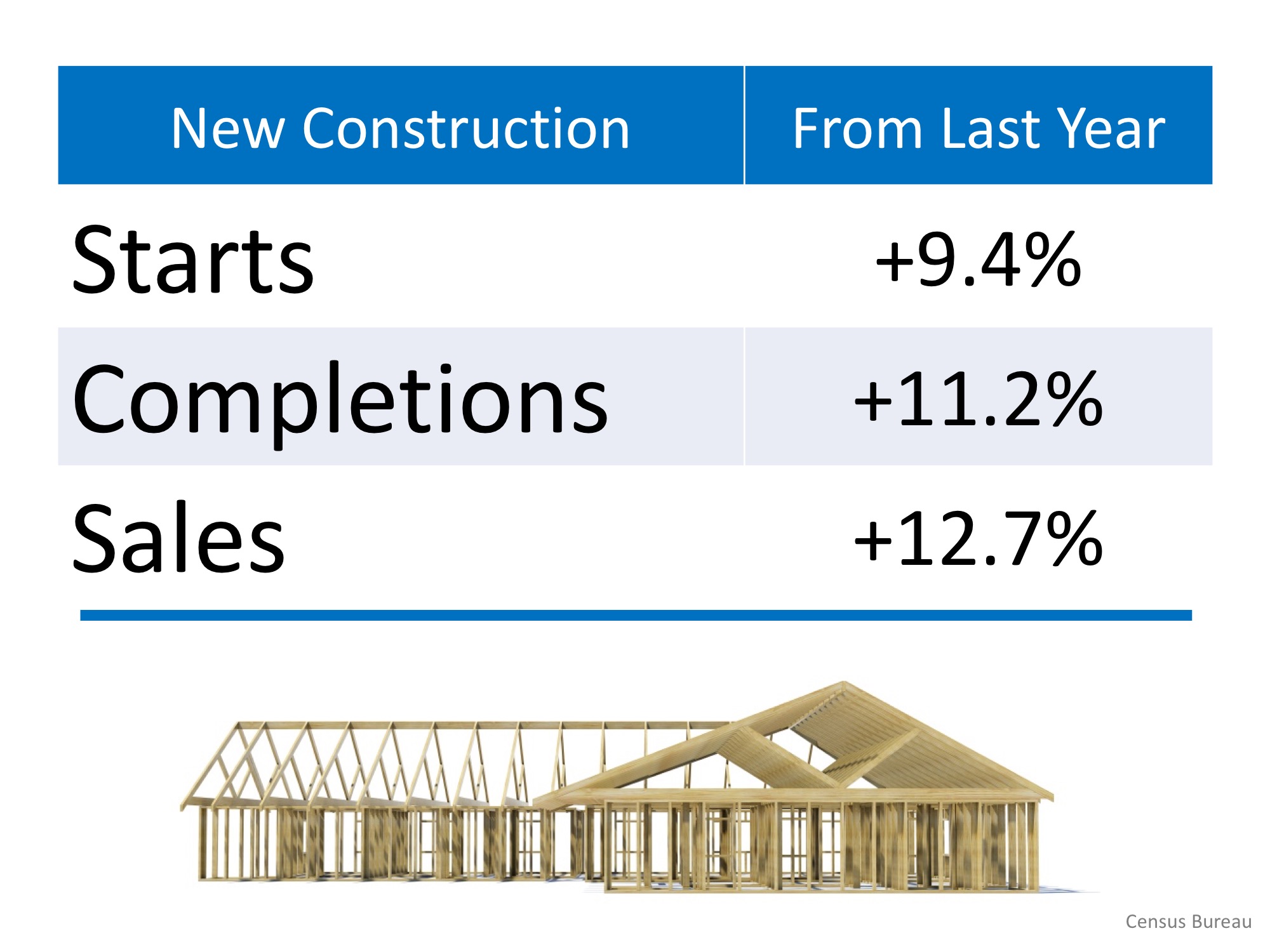
According to the latest New Residential Sales Report from the Census Bureau, new construction sales in August were up 3.5% from July and 12.7% from last year! This marks the second consecutive month with double-digit year-over-year growth (12.8% in July).

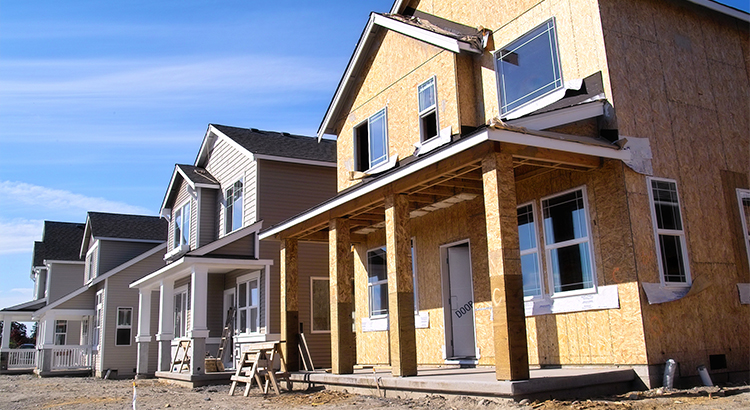
The report also showed that builders have ramped up construction with an increase in new construction starts and completions. The summer months are often a busy time for builders as they capitalize on the warmer weather to be able to finish projects.

Below is a table showing the change in starts, completions, and sales from last August.

New Home Sales Up 12.7% From Last Year | MyKCM

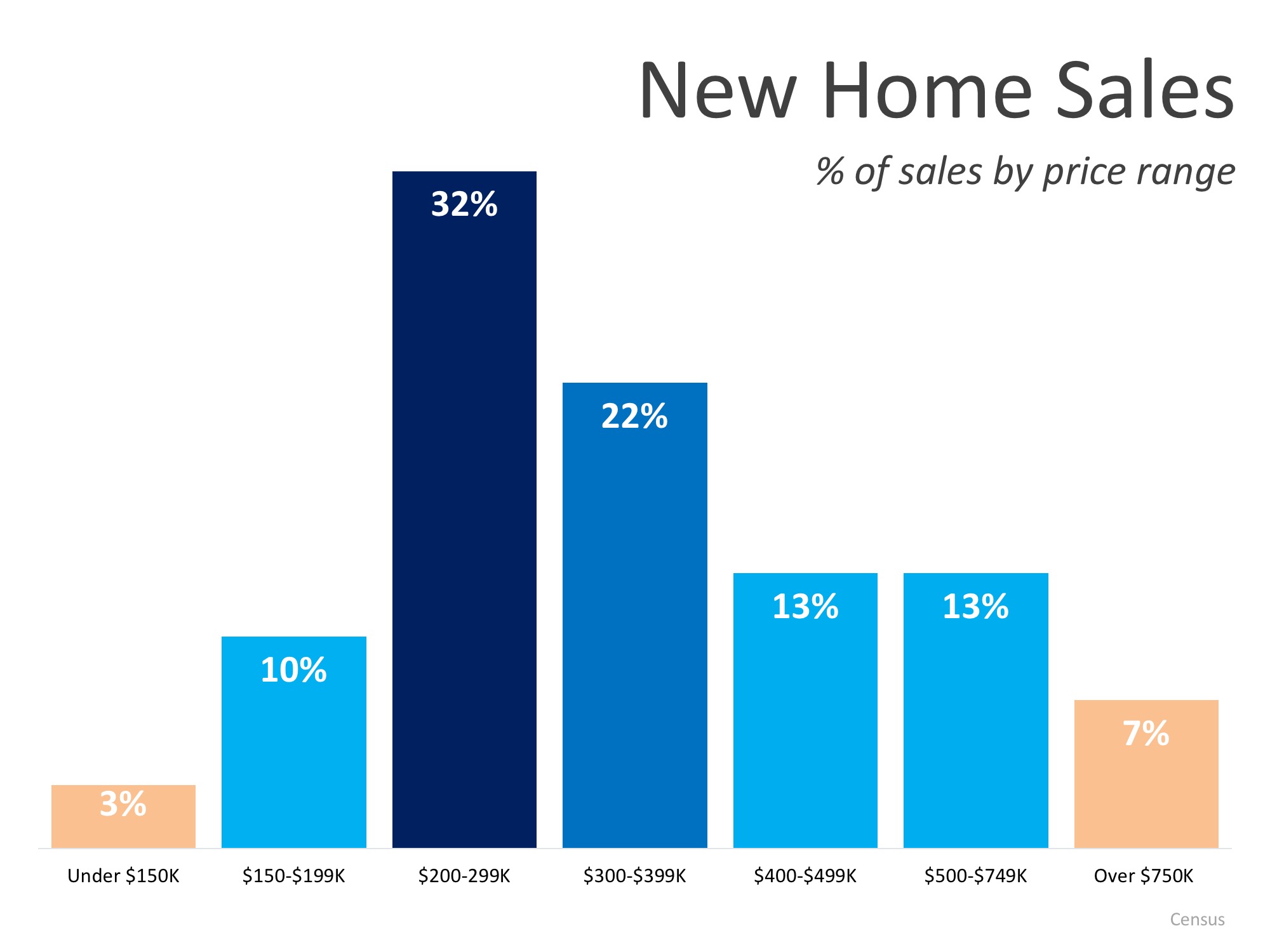
Other notable news from the report is that the percentage of new construction sales in the $200-$299k range has continued to break away from the $300-$399k range.

This shows that builders are starting to build lower-priced homes that will help alleviate some of the inventory challenges in the starter and trade-up home categories. The chart below shows the full breakdown.

New Home Sales Up 12.7% From Last Year | MyKCM

What does this mean for buyers and sellers?

If you are thinking of buying or selling in today’s market, you no doubt have heard that there is a shortage of existing homes for sale which has been driving home prices up across the country. The additional new construction coming to the market could help alleviate this shortage, but we are still not back up to pre-crisis levels.


,,,,,,,,,,,,, ,, ,, , , , , ,, , , , , , , , 


Posted in BoydTeam Blog
Oct. 9, 2018

What's Going On With Home Prices

What’s Going On With Home Prices?

What’s Going On With Home Prices? | MyKCM

According to CoreLogic’s latest Home Price Insights Report, national home prices in August were up 5.5% from August 2017. This marks the first time since June 2016 that home prices did not appreciate by at least 6.0% year-over-year.

CoreLogic’s Chief Economist Frank Nothaft gave some insight into this change,

“The rise in mortgage rates this summer to their highest level in seven years has made it more difficult for potential buyers to afford a home. The slackening in demand is reflected in the slowing of national appreciation, as illustrated in the CoreLogic Home Price Index.  

National appreciation in August was the slowest in nearly two years, and we expect appreciation to slow further in the coming year.”

One of the major factors that has driven prices to accelerate at a pace of between 6-7% over the past two years was the lack of inventory available for sale in many areas of the country. This made houses a prized commodity which forced many buyers into bidding wars and drove prices even higher.

According to the National Association of Realtors’ (NAR) latest Existing Home Sales Report, we are starting to see more inventory come to market over the last few months. This, paired with patient buyers who are willing to wait to find the right homes, is creating a natural environment for price growth to slow.

Historically, prices appreciated at a rate of 3.7% (from 1987-1999). CoreLogic predicts that prices will continue to rise over the next year at a rate of 4.7%.

Bottom Line

As the housing market moves closer to a ‘normal market’ with more inventory for buyers to choose from, home prices will start to appreciate at a more ‘normal’ level, and that’s ok! If you are curious about home prices in your area, let’s get together to chat about what’s going on!


,,,,,,,,,,,,, ,, ,, , , , , ,, , , , , , , , 


Posted in BoydTeam Blog
Oct. 8, 2018

Just Listed - Beach Colony Resort


JUST LISTED! $139,900

Beach Colony Resort, 1 Bedroom / 1 Bath, Great Rentals.

MLS# 1820179

Posted in BoydTeam Blog
Oct. 3, 2018

Two Factors To Watch In Today's Real Estate Market Whether Buying or Selling

2 Factors to Watch in Today’s Real Estate Market Whether Buying or Selling

2 Factors to Watch in Today’s Real Estate Market Whether Buying or Selling | MyKCM

When it comes to buying or selling a home there are many factors you should consider. Where you want to live, why you want to buy or sell, and who will help you along your journey are just some of those factors. When it comes to today’s real estate market, though, the top two factors to consider are what’s happening with interest rates & inventory.

Interest Rates

Mortgage interest rates have been on the rise and are now over three-quarters of a percentage point higher than they were at the beginning of the year. According to Freddie Mac’s latest Primary Mortgage Market Survey, rates climbed to 4.72% for a 30-year fixed rate mortgage last week.

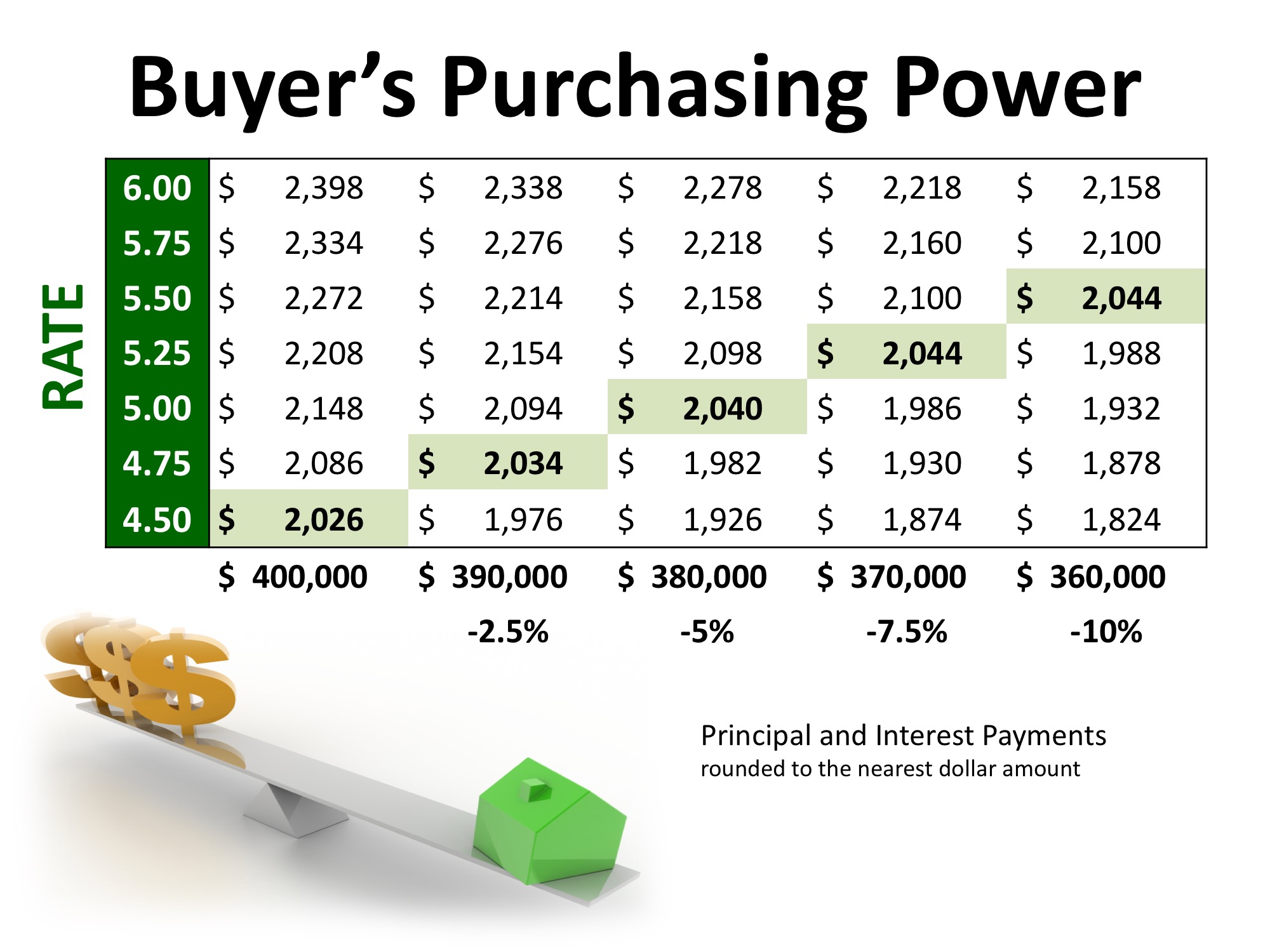
The interest rate you secure when buying a home not only greatly impacts your monthly housing costs, but also impacts your purchasing power.

Purchasing power, simply put, is the amount of home you can afford to buy for the budget you have available to spend. As rates increase, the price of the house you can afford to buy will decrease if you plan to stay within a certain monthly housing budget.

The chart below shows the impact that rising interest rates would have if you planned to purchase a $400,000 home while keeping your principal and interest payments between $2,020-$2,050 a month.

2 Factors to Watch in Today’s Real Estate Market Whether Buying or Selling | MyKCM

With each quarter of a percent increase in interest rate, the value of the home you can afford decreases by 2.5% (in this example, $10,000). Experts predict that mortgage rates will be over 5% by this time next year.

Inventory

A ‘normal’ real estate market requires there to be a 6-month supply of homes for sale in order for prices to increase only with inflation. According to the National Association of Realtors (NAR), listing inventory is currently at a 4.3-month supply (still well below the 6-months needed), which has put upward pressure on home prices. Home prices have increased year-over-year for the last 78 straight months.

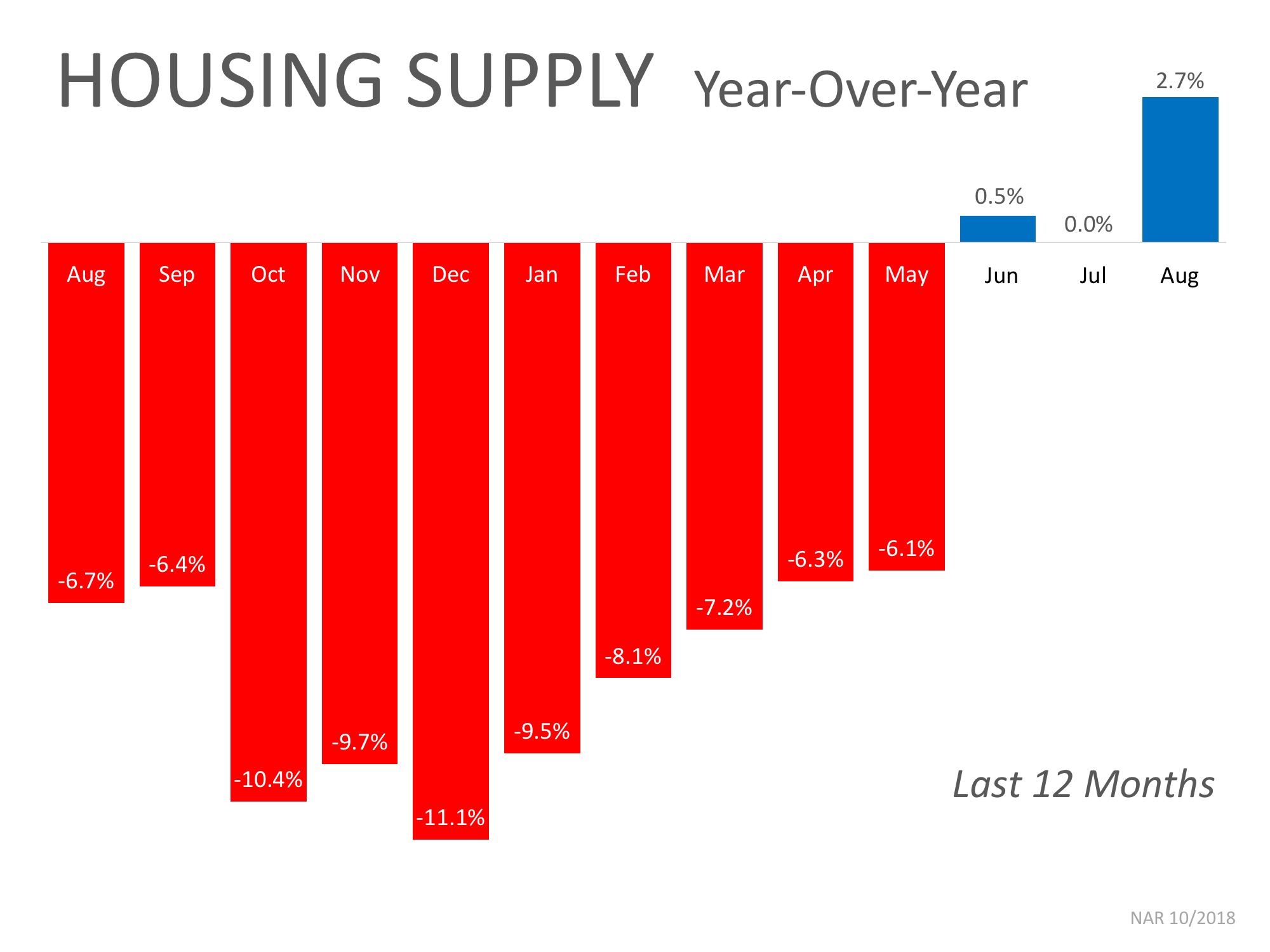
The inventory of homes for sale in the real estate market had been on a steady decline and experienced year-over-year drops for 36 straight months (from July 2015 to May 2018), but we are starting to see a shift in inventory over the last three months.

The chart below shows the change in housing supply over the last 12 months compared to the previous 12 months. As you can see, in June, July, and August, inventory levels have started to increase as compared to the same time last year.

2 Factors to Watch in Today’s Real Estate Market Whether Buying or Selling | MyKCM

This is a trend to watch as we move further into the fall and winter months. If we continue to see an increase in homes for sale, we could start moving further away from a seller’s market and closer to a normal market.

Bottom Line

If you are planning to enter the housing market, either as a buyer or a seller, let’s get together to discuss the changes in mortgage interest rates and inventory and what they could mean for you.


,,,,,,,,,,,,, ,, ,, , , , , ,, , , , , , , , 


Posted in BoydTeam Blog
Oct. 2, 2018

7 Inspiring Ideas To Make The Most of Autumn Weekends

7 Inspiring Ideas To Make The Most of Autumn Weekends

by eddieandjulieboydblog

As you plan for Halloween and winter travels, remember to savor today’s pleasures before they flicker by.

We’re thick into fall now — it’s a good weekend to rake leaves, and then curl up with an engrossing book and a mug of something warm to drink. Here are seven weekend could-dos, including watching monarch butterflies and getting ready for trick-or-treaters.

1. Put fall leaves to good use. Spy some beautiful fall foliage outside your door? Before you rake and bag it, consider other uses for the leaves. They would make good mulch for your lawn or garden. Or, if the leaves are still more on the trees than on the ground, cut a bundle and bring it inside for a long-lasting display

2. Plan a winter trip. Let the chill in the air be a reminder to book that winter getaway you’ve been thinking of. Lodging in popular destinations fills up early for holiday travel, so it pays to book early. Not planning any big trips? Make a date with your calendar and a mug of hot cider to plan some fun weekend jaunts instead.

3. Get inspired with a new design book. Peruse the shelves of your local bookstore and bring home a new tome for your coffee table. Looking for a recommendation? The New Bohemians Handbook: Come Home to Good Vibes, sounds like just the thing to curl up with on a chilly fall afternoon.

4. Add warm, cozy layers and flickering light. Bring autumnal warmth and coziness to your living room with candlelight, extra-soft blankets and cushy pillows galore. Layer beds with thicker quilts, turn on the twinkle lights, and set out bowls of apples and nuts in the shell. It doesn’t take much effort, and your home will instantly feel more fall-like.

5. Help storm victims. Hearing news reports of natural disasters can leave those not in harm’s way feeling powerless to help. But the truth is, even small amounts of aid are very much needed and appreciated. If you decide to donate money, just be sure you are giving to a legitimate relief organization — sites like Charity Navigator and the Better Business Bureau’s Give.org can help.

6. Say hello to migrating monarchs. Every fall, monarch butterflies make their way back to the same overwintering grounds — monarchs from the eastern coast of the United States migrate to Mexico, and butterflies from west of the Rocky Mountains return to coastal California. This month, those along the migratory paths may be able to spot monarchs on their way to warmer climates.  If you’re lucky enough to live within driving distance of Santa Cruz, California, you can visit the monarchs at Natural Bridges State Beach. Guided tours of the habitat are available on weekends starting in mid-October.

7. Prep for Halloween. Candy corn? Fake spiderwebs? Check and check. If you plan to pass out candy or host a party on Halloween night, this weekend is a good time to stock up on supplies.
eddieandjulieboydblog | September 27, 2018 at 12:12 pm | Categories: Latest News | URL: https://wp.me/p9WSf3-1G
,,,,,,,,,,,,, ,, ,, , , , , ,, , , , , , , , 


Posted in BoydTeam Blog
Oct. 2, 2018

Button Up Your Home For Fall

Button Up Your Home For Fall

by eddieandjulieboydblog

We all know the drill: You wake up on a Saturday with every intention of doing some pre-winter maintenance but ditch your best-laid plans as soon as you feel the late-summer sun on your shoulders. Take a tip from the experts and avoid putting off till next Saturday (or next year) what you can do in a snap today—whether it’s replacing old weather-stripping or adjusting the pitch of the gutters. You can always put your feet up late, when it’s time to rake the leaves.

1. Weatherproof Windows and Doors

Seal gaps larger than ⅛ inch around windows and doors to cut your winter heating bill by up to 15 percent. On windows, press adhesive-backed closed-cell foam onto the bottom of the sash. Secure a loose sash by applying a strip of plastic V-channel weather­stripping in the groove the sash slides in, securing it with finish nails. Use foam strips on the sides and tops of doors, and install a door sweep on the bottom.

2. Check Your Gutters

When gutters aren’t pitched at the right angle, they overflow—and can threaten your once dry . Properly pitched gutters slope between 1/16 inch and ⅛ inch per foot, directing water to the leader and out the downspout. Check the pitch by holding a level even with the gutter; on longer runs, pour in water from a hose and check the flow’s direction. Get instructions for keeping your gutters in good working order.

3. Find and Fix Cracked Concrete

Cracks in your driveway, walkway, or steps are a big-time trip hazard, and they’ll only get worse if water seeps in and freezes. Luckily, if you can caulk, you can fix concrete—just make sure it’s clean and dry to start. For cracks less than a half-inch wide, squeeze a bead of acrylic latex concrete repair compound deep into the crack, smoothing excess with a putty knife. For larger cracks, trowel on a vinyl concrete patching compound, and let it cure one day before walking on it, three days before driving over it.

4. Clean Cooling Devices

If you have ceiling fans, change their rotation to clockwise to push warm air down (usually accomplished by flicking a switch on the base), and while you’re at it, wipe down the blades with a microfiber cloth that traps dust. At month’s end or when the temps drop, remove window AC units. Vacuum the coils and filters, and store them in a cool, dry place, preferably covered to keep out dust and bugs.

5. Check for Holes in The Attic

During the brightest part of the day or a steady rain, look for streams of light or water entering the attic through the roof or sheathing, which can lead to more serious damage (and critter invasions) if left unfixed. (Another sign of holes is black staining on insulation.) From inside, fill sheathing gaps with closed-cell polyurethane foam. Fix small roof leaks by caulking with tripolymer elastomeric sealant, which is compatible with asphalt shingles and resists UV rays. But don’t caulk large leaks, which tend to develop around chimneys or vent stacks. For now, place a bucket underneath to catch drips and stuff an old towel in the crevices to absorb moisture. Then do a more serious repair before the first winter storm hits.

6. Check Your Insulation

How do you know if your attic is properly protected? It’s simple: If you can see the tops of the joists, you’ve got a problem. If the existing insulation is roughly even with the tops of the joists, add a new layer of unfaced batt insulation perpendicular to the old one, pushing the pieces together so they fit snugly side by side. On the other hand, if the existing layers are more than an inch above (or below) the joists, blown-in cellulose or fiberglass does a better job of filling the crevices. To find out how much you need, depending on where you live, type your ZIP code into the ZIP-Code Insulation Program at the Oak Ridge National Laboratory. And give yourself a pat on the back for keeping up with fall upkeep.

eddieandjulieboydblog | September 25, 2018 at 12:05 pm | Categories: Latest News | URL: https://wp.me/p9WSf3-1E
,,,,,,,,,,,,, ,, ,, , , , , ,, , , , , , , , 


Posted in BoydTeam Blog