CATCH THE WAVE

Myrtle Beach Real Estate

We Specialize in Myrtle Beach, SC Real Estate. Lots of options are waiting for you in Myrtle Beach, South Carolina and choosing the right realtors can help you in finding the perfect area and the right home for you and your family and make your dream a reality!  Let us help you in making one of the biggest, if not the biggest, decisions in your life.   

We were both born and raised along the Grand Strand and know the entire Horry County, so no matter what style of home you are looking for or what area you prefer, we can help you!  Please give us a call and let us help you make your dream a reality!  843-222-8566.

Eddie & Julie Boyd - The Boyd Team - Realtors

Myrtle Beach Real Estate - INNOVATE Real Estate


Nov. 22, 2024

The Best Christmas Presents for New Homeowners

The holidays are a magical time, but for new homeowners, the season carries an extra shimmer of excitement. A first Christmas in a new home is more than just another holiday—it’s an opportunity to create fresh traditions, decorate new spaces, and truly make a house feel like a home.

If someone on your shopping list has recently moved into a new home, thoughtful gifts can make their holidays brighter while helping them settle in. From practical items to stylish décor, this guide will help you pick presents that resonate with both utility and personality.


brown and beige welcome area rug


Practical Gifts for Everyday Living

When it comes to thoughtful gifting, practicality often steals the show. New homeowners are always discovering little gaps in their home essentials, which is where you (and your gift) can step in to save the day. Here are some practical ideas to help them settle into their new space seamlessly:

Subscription Boxes

A subscription service is a gift that keeps on giving long after the holidays. There are countless options to suit every interest. Food lovers might enjoy a monthly gourmet snack box, while wine enthusiasts will appreciate a curated wine subscription. For DIY enthusiasts, craft or gardening boxes make exciting and practical gifts. No matter their preferences, subscription boxes add an element of surprise and joy each month.

Toolkits and DIY Essentials

Every homeowner needs a solid toolkit. Whether it’s hanging artwork, assembling furniture, or tackling minor repairs, a toolkit is something they’ll reach for time and time again. Look for a kit that includes essentials like a hammer, screwdrivers, tape measure, and a level.

Pro Tip: Include some command strips or wall-hanging kits for renters or those hesitant to make permanent changes.


A white camera sitting next to a white container


Smart Home Devices

Smart home devices have become increasingly popular and make excellent gifts for new homeowners who love technology or convenience. Consider gifting a smart speaker like an Amazon Echo or Google Nest, which can streamline daily tasks, play music, or even control other smart devices in the house. For added security and peace of mind, a video doorbell or smart security camera is practical and thoughtful. These devices not only enhance the homeowner's lifestyle but also add value to their living space.

Kitchen Essentials

Every kitchen could use a boost. High-quality cookware, a set of sharp knives, or an elegant spice rack can help transform cooking and hosting into effortless joys. For coffee lovers, consider gifting a French press or an espresso machine for café-style mornings at home.

Decorative Gifts for a Personal Touch

While practical gifts satisfy needs, decorative ones spark joy. Help new homeowners add charm and personality to their space with these ideas:

Art and Wall Décor

Help your loved ones bring personality and charm to their walls with unique art pieces or hanging décor. Whether it’s a framed print from a local artist, custom family portraits, or a trendy wall clock, decorative items can transform a blank space into something truly special. For a more personalized touch, consider gifting a map print of their hometown, a meaningful travel destination, or their new neighborhood.

Luxury Candles

Candles with elegant designs and sophisticated scents can make any house feel like a home. Look for high-quality, long-lasting candles in classic fragrances like vanilla, sandalwood, or lavender. Some brands even offer personalized options where you can choose a custom message or their initials etched onto the jar. A luxury candle is a timeless gift that’s both decorative and relaxing.

Photo Frames

Photo frames are timeless gifts that encourage homeowners to display cherished memories. Opt for a frame with a modern design or a gallery-style set for creating a stunning wall display.

Scented Candles

Not all candles have to be deluxe! There’s nothing like the gentle flicker of a candle to make a house feel like a home. Pick high-quality candles with natural ingredients and fragrances like vanilla, lavender, or sandalwood. For the holiday season, festive scents like pine or cinnamon can be a lovely touch.

Personalized Gifts to Show You Care

For a truly meaningful gift, personalization is key. Tailored items show thoughtfulness and a touch of creativity that stands out.

Custom Cutting Boards

A wooden cutting board engraved with the recipient's name, initials, or a meaningful date (like their move-in date) is both functional and sentimental.

Welcome Mats

A custom doormat with their family name or a fun phrase such as “Home Sweet Home” can brighten up their entrance and make guests feel warmly received.

Custom Art Pieces

Commission a personalized art piece that reflects their story—perhaps a map of their hometown, a portrait of their house, or even a calligraphy quote that resonates with them.


potted green cactus on white planter


Green and Sustainable Choices

If your recipient is environmentally conscious, consider gifts that are eco-friendly and sustainable. Not only do these gifts show thought, but they also align with a commitment to preserving the planet.

Indoor Plants

Greenery never goes out of style, and indoor plants are a wonderful way to freshen up a new home. Low-maintenance plants like succulents, pothos, or snake plants make great gifts for both novice and expert plant owners. If you want to go the extra mile, consider pairing the plant with a stylish planter that complements their décor.

Plants do more than add greenery; they improve air quality and bring life to a home. Easy-to-care-for options like pothos, snake plants, or succulents are perfect for beginners.

Reusable Kitchen Items

Help them go green with reusable silicone food storage bags, beeswax wraps, or stainless steel straws. These items are practical and help minimize environmental waste.

Solar-Powered Gadgets

For a techy, sustainable vibe, gift solar-powered gadgets like garden lights or solar power banks to charge devices.

Budget-Friendly Gift Ideas

A tight budget doesn’t mean you can’t give meaningful and thoughtful gifts. Here are a few affordable yet creative ideas for any price range.

Cozy Throw Blankets

A soft, plush throw blanket is perfect for curling up on the couch during chilly winter evenings. Look for neutral tones or patterns that complement most color schemes.

Coffee Gift Sets

Pair locally roasted coffee beans with a cute mug for a budget-friendly but thoughtful gift. You could even customize the mug with their initials or a quirky slogan.

DIY Gifts

Handmade gifts like DIY candles, homemade cookies in a decorative jar, or a custom recipe book are heartfelt and affordable options that are hard to resist.

Thoughtful Gifting Makes a House a Home

When choosing the best Christmas presents for new homeowners, keep their personality, style, and needs in mind. Whether it’s a practical toolkit, a personalized welcome mat, or an eco-friendly plant, your gift can make their holiday season even more special.

Remember, it’s the thought behind the gift that counts most. By focusing on usefulness and charm, you’ll give a present that’s appreciated long after the holidays are over.

Giving gifts that reflect thoughtfulness and practicality ensures they’ll be cherished for years to come. Whatever you choose, the key is to make the recipient feel seen and valued as they settle into their new home. Thoughtful, well-chosen gifts not only celebrate the holidays but also support their new chapter in life.

What other creative gift ideas do you recommend? Join the conversation by leaving a comment below!


If you’re looking to buy a home in the Myrtle Beach area, we’re here to help. We at The Boyd Team are committed to helping you find the right property for your needs and dreams. Any question that you have about moving to the area and finding your dream home by the beach is our pleasure to answer. Feel free to send us an email at eddie@boydteam.com or text or call us at (843) 222-8566, and we will get back to you as soon as we can. Being true natives of the Grand Strand and Horry County and with over 25 years of experience in the local real estate market, whether buying or selling, we can help you make your dreams a reality.  


No One Knows The Grand Strand Better! Trust, Knowledge, Experience, and Professionalism You Can Count On!

Posted in BoydTeam Blog
Nov. 15, 2024

Essential Tips for First-Time Homeowners to Tackle Winter Like a Pro

Winter can be an enchanting time of the year, but it also presents unique challenges for first-time homeowners. As the temperatures drop and snowflakes fall, your home becomes your refuge from the cold. However, to keep it cozy, safe, and functional throughout the season, you’ll want to be prepared for the responsibilities winter homeownership brings.

Whether you’re navigating your first holiday season in your new home or dealing with snow in the driveway for the first time, this guide will walk you through everything you need to know. From maintenance to safety tips, energy-saving tricks to emergency prep, we’ve got you covered.


brown and white concrete house near bare trees during daytime


Winter Home Maintenance Checklist

Your first priority as a homeowner during the winter is to ensure your home is well-prepared for the season. A bit of maintenance now can save you from costly repairs and headaches down the road. Here's a checklist to help get your home ready:

Inspect and Weatherproof Your Home

  • Seal Gaps and Drafts: Check for drafts around windows, doors, and utility openings. Use weatherstripping or caulk to seal them. A properly sealed home keeps the warmth in and the cold out.
  • Add Insulation: Ensure your attic, basement, and crawlspaces are well-insulated. This prevents heat loss and can help reduce your energy bills.
  • Inspect Doors and Windows: Consider investing in storm doors or double-paned windows if your home is particularly drafty.

Service Your Furnace and HVAC System

  • Professional Tune-Up: Have a technician inspect and service your furnace or HVAC system to ensure it's running efficiently. Replace air filters to improve air circulation and heat output.
  • Test Your Thermostat: Confirm that your thermostat is working properly. A programmable thermostat can help you maintain a steady temperature without wasting energy.

Clean Your Gutters

  • Remove Debris: Clear your gutters of leaves and debris to avoid ice dams forming on your roof, which can lead to water damage.
  • Check Downspouts: Make sure downspouts are directed at least five feet away from your home’s foundation to prevent leaks and flooding from melted snow.

Winterize Outdoor Equipment

  • Turn Off Outdoor Faucets: Disconnect garden hoses and shut off water supplies to outdoor spigots to prevent pipes from freezing and bursting.
  • Store Lawn Tools: Clean and store away any outdoor tools or summer equipment. Winterize your lawn mower by draining its gas and oil.

a house in the woods covered in snow

Essential Home Safety Tips

Winter comes with its own set of hazards, and the good news is that a bit of prevention can go a long way. Here are some must-follow tips:

Prevent Ice Dams

Ice dams form when heat escapes through your roof, melting the snow and allowing water to refreeze at the edge of your gutters. To prevent them:

  • Keep your attic well-insulated to ensure an even roof temperature.
  • Use a roof rake after heavy snowfall to remove excess snow buildup.

Avoid Frozen Pipes

Frozen pipes can burst and cause significant water damage, so:

  • Keep your home warm and maintain indoor temperatures above 55°F, even when you're away.
  • Insulate water pipes in unheated spaces like basements and garages.
  • Allow faucets to drip slightly during extreme cold snaps.

Prevent Carbon Monoxide Leaks

Carbon monoxide (CO) poisoning is a serious risk during winter when homes are sealed tightly and heating systems run continuously:

  • Install CO detectors on every floor and near sleeping areas.
  • Avoid using generators or grills indoors for heat.
  • Ensure your furnace and fireplace are vented properly and maintained regularly.

Energy Efficiency Tips for a Warm and Cost-Effective Winter

Keeping warm doesn’t have to come with a sky-high energy bill. Here are some tips to help you stay comfortable while saving money:

Optimize Your Heating System

  • Keep vents and radiators clean and unobstructed to ensure even heat distribution.
  • Use ceiling fans in reverse mode (clockwise) to circulate warm air that rises to the ceiling.

Invest in Energy-Saving Solutions

  • Use thermal curtains or blinds to trap heat in during the nighttime.
  • Add door sweeps to prevent drafts from entering under doors.

Harness the Power of the Sun

During the day, keep curtains and blinds open on south-facing windows to allow natural sunlight to warm your home.

a snow covered forest filled with lots of trees

Emergency Preparedness for Winter Surprises

Winter storms and power outages can be unpredictable. Prepare yourself and your home for the worst with these emergency readiness tips:

  • Create an Emergency Kit:
    • Flashlights and extra batteries.
    • Non-perishable food and bottled water (enough for 3–7 days).
    • Portable phone chargers, spare blankets, and a first aid kit.
    • Have a Backup Plan:
    • Invest in a portable generator to keep essential appliances running during an outage.
    • Keep a list of emergency contacts, including utility and repair services.
    • Stock Up on Supplies:
    • Rock salt or sand for de-icing walkways.
    • A durable snow shovel or snow blower for clearing driveways and sidewalks.

    The Importance of Regular Inspections

    Routine inspections can catch small issues before they turn into expensive repairs—especially during the winter months.

    Schedule Professional Inspections

    • Have a roof inspection to check for missing shingles or other vulnerabilities.
    • Get a chimney sweep to clean out fireplaces and ensure proper ventilation.
    • Inspect your foundation for any cracks that might worsen due to freezing and thawing cycles.

    Conduct DIY Inspections

    • Check for signs of moisture or leaks in your basement and attic.
    • Test your smoke and CO detectors to ensure they’re in working order.

    Stay Proactive and Enjoy Your Winter Haven

    Owning a home in the winter comes with responsibilities, but it also opens the door to cozy nights by the fireplace, festive decorating opportunities, and snow-covered views from your windows. By proactively preparing your home with the tips above, you can avoid common winter headaches and fully enjoy the season.

    Your home is your haven, and caring for it ensures it remains a warm, safe, and inviting space. For personalized advice and more tips for maintaining your home year-round, reach out to a local home maintenance expert or consult more of our helpful guides.

    Here’s to a warm and worry-free winter in your new home!

If you’re looking to buy a home in the Myrtle Beach area, we’re here to help. We at The Boyd Team are committed to helping you find the right property for your needs and dreams. Any question that you have about moving to the area and finding your dream home by the beach is our pleasure to answer. Feel free to send us an email at eddie@boydteam.com or text or call us at (843) 222-8566, and we will get back to you as soon as we can. Being true natives of the Grand Strand and Horry County and with over 25 years of experience in the local real estate market, whether buying or selling, we can help you make your dreams a reality.  


No One Knows The Grand Strand Better! Trust, Knowledge, Experience, and Professionalism You Can Count On!

Posted in BoydTeam Blog
Nov. 9, 2024

How to Evaluate Neighborhood Development Plans When Buying a Home

miniature buildings to evaluate neighborhood development plans


When buying a home, one of the first things you should do is evaluate neighborhood development plans. These plans offer a clear view of how the area might grow, change, and adapt over time, which can significantly impact property value, lifestyle, and community. By understanding what’s on the horizon for the neighborhood, you can better decide if it aligns with your needs and future goals.

After all, owning the home is the best decision you’ll ever make, but the surrounding neighborhood plays a crucial role in that satisfaction. Knowing what to expect helps you feel confident that your investment is secure and that your new community will support the life you envision.

Understanding Neighborhood Development Plans

Neighborhood development plans are blueprints created by local governments or planning agencies to guide a community's future growth and layout. These plans provide insight into how the area may evolve. They cover new housing projects, commercial spaces, transportation routes, and green areas. Understanding these plans is essential for anyone considering a home purchase to avoid surprises and ensure the community’s future aligns with your lifestyle.

As you probably already know, timing is everything when buying a home, and knowing what’s in store for the neighborhood can help you make an informed decision. For instance, a quiet residential area today might be slated for commercial expansion, potentially altering the neighborhood’s character and impacting property values. Reviewing these plans can help gauge whether a location’s future aligns with your long-term goals.


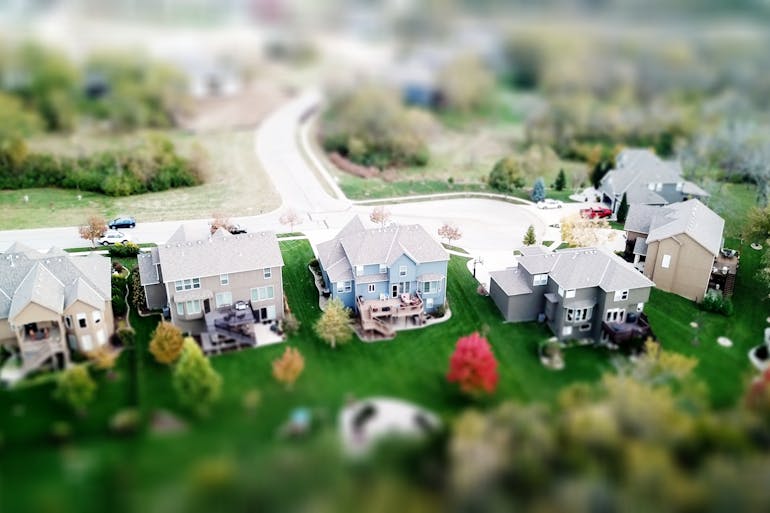
a view of the neighborhood from above

Evaluate neighborhood development plans to make better purchasing decisions

The Impact of Zoning and Land Use Regulations

Zoning and land use regulations play a major role in shaping the layout and character of a neighborhood. These rules determine how land is used, influencing the balance between residential areas, commercial spaces, and public facilities. When you evaluate neighborhood development plans, pay close attention to zoning details, as they directly affect everything from traffic flow and noise levels to property values and potential for new developments.

For instance, zoning can restrict certain types of buildings in residential areas, maintaining a quieter atmosphere. Alternatively, planned commercial zones could bring shopping centers or office buildings nearby. Understanding these regulations can help you anticipate how the neighborhood may look and feel in the years ahead. Local zoning maps, often available online or through city planning offices, are great resources to check for updates or planned zoning changes that might impact your future home.

Relocating? How Movers Can Help with Neighborhood Research

Moving companies can be surprisingly helpful for learning more about potential neighborhoods when relocating. Companies like Pro Alliance Services not only handle the logistics of moving but can also provide valuable insights into local communities based on their extensive experience. Movers often interact with numerous clients moving to or from certain areas. This gives them a unique perspective on neighborhood trends, amenities, and even school quality.

For example, a moving company might share insights on the most convenient neighborhoods for families, professionals, or those looking for quiet, suburban spaces. Whether you’re new to the region or relocating within it, movers can provide practical advice and help with your relocation. 


a miniature of the house next to the keys and a piece of paper

Make sure to buy the best home for your long-term goals!

Checking Infrastructure and Amenities in Development Plans

Infrastructure and amenities in neighborhood development plans can greatly influence daily life and home value. When purchasing a home, consider must-have home features and the surrounding infrastructure supporting a convenient lifestyle. Look for plans detailing roads, public transportation access, and essential utilities. These can determine how easily you’ll get around and how much you’ll enjoy the area. Well-developed infrastructure often means shorter commute times, reliable utility services, and smoother connections to nearby areas.

Amenities like parks, schools, shopping centers, and healthcare facilities are equally important, especially if you’re planning for a family. These conveniences add to a neighborhood’s appeal, making it a desirable place to live and raising property values over time. 

Assessing Environmental Impact and Green Spaces

When you evaluate neighborhood development plans, assessing environmental impact and green spaces should be high on your list. Green spaces like parks, trails, and natural reserves are essential for a balanced, healthy community, offering relaxation areas and promoting cleaner air. Development plans often include environmental impact reports, which outline potential effects on natural resources, wildlife, and local ecosystems.

Reviewing these reports lets you understand how future projects may affect your neighborhood’s environmental quality. For instance, an area with planned green spaces will likely enhance property values and provide a serene setting for residents. Additionally, consider checking for details about flood zones, protected areas, and sustainable development initiatives, as these can impact everything from insurance costs to quality of life. 

Evaluating Community Growth Potential and Home Value

Development plans often reveal clues about future projects. They include new businesses, schools, or residential areas, all of which can influence property values and the overall character of the community. A neighborhood poised for growth can mean higher resale value and a thriving, active environment. However, it’s essential to ensure this growth aligns with your lifestyle.

Rapid development can bring benefits, such as improved amenities, but it may also lead to increased traffic or noise. Assessing how these factors might shape the community over time and impact your home investment is essential. Consider how to efficiently prepare your home for a move by accounting for these details early on. This preparation allows you to be ready to relocate confidently, knowing that the neighborhood suits your present and future needs and that your investment is well-considered for long-term gains.

people going over development plans

Don’t hesitate to consult the local government to gain a better understanding

Consulting Local Government and Planning Offices

Local government and planning offices offer public resources and guidance on zoning changes, infrastructure projects, and future community developments that may not be widely advertised. By visiting or contacting these offices, you can ask specific questions about upcoming projects, like new roadways, commercial developments, or changes to residential zoning.

Local officials can often provide insight into long-term goals for the neighborhood. This is valuable for anyone looking to make a well-informed home purchase. You may even find planning documents, environmental studies, or community feedback reports that shed light on the area's future. This proactive approach ensures that you’re aware of potential changes.

Choosing the Right Neighborhood!

Taking time to evaluate neighborhood development plans can make a big difference in your home-buying experience. By assessing future developments, zoning, and amenities, you’ll feel confident in your choice and ready to invest wisely. A thorough review of neighborhood plans ensures that your new community will support your lifestyle and future goals.

Posted in BoydTeam Blog
Nov. 8, 2024

Winter in South Carolina: Everything to Know for a Prospective Homebuyer

Dreaming of buying a home in South Carolina? Winter might just be the perfect time for you to make that move. While many think of spring or summer as peak seasons for the real estate market, winter offers unique opportunities for prospective buyers. Whether you're drawn to South Carolina's inviting communities, mild winters, or attractive real estate prices, this guide will walk you through everything you need to know when considering a winter purchase.

From understanding weather patterns to uncovering the best places to buy and winter homebuying tips, this post is your roadmap to finding your dream home in South Carolina this winter.


Free Beach Summer photo and picture


Winter Weather in South Carolina

One of the biggest misconceptions about South Carolina is that winters are harsh. Fortunately, that's far from the truth. South Carolina boasts relatively mild winters compared to states further north, making it a comfortable and accessible season for homebuyers.

Typical Winter Weather

South Carolina winters are defined by cool temperatures and sunny skies. Average daytime highs range from 50°F to 60°F, while nighttime lows hover around 35°F in most areas. Snowfall is rare, and when it does happen, it's usually light and fleeting, primarily affecting the northern regions near the mountains. Rain is more common during winter but typically comes in short, manageable bursts.

Advantages of Winter Weather for Homebuyers

  • Easier Inspections: Without snow or freezing temperatures to obstruct inspections, it's easier to evaluate outdoor spaces, HVAC systems, and home exteriors during South Carolina winters.
  • Comfortable Touring Conditions: You're not trekking through snowstorms or dealing with unbearable heat—showings and open houses are a breeze.
  • Clear Views: Without the lush foliage of spring and summer, you can see the structural details of a home and surrounding properties more clearly.

Winter Challenges to Consider

While South Carolina winters are mild, there are still a few factors to keep in mind:

  • Rainy days can make outdoor tours trickier.
  • Homes near the coast may encounter higher humidity levels, so check for any signs of moisture or mold in your inspection.


Free Sea Ocean photo and picture


South Carolina’s Winter Real Estate Market

If you're a strategic homebuyer, winter in South Carolina presents an exciting opportunity. Why? Because the state's real estate market shifts seasonally, and winter comes with its own set of advantages for buyers.

Trends in the Winter Market

  • Less Competition: Winter often sees fewer buyers actively searching for homes, which means less bidding competition and improved chances of snagging your dream home.
  • Motivated Sellers: Many sellers who list in winter are motivated. Perhaps they're relocating for work or want to close their sale before year-end tax deadlines. This can give you more room for price negotiations.
  • Stable Home Prices: Unlike peak seasons, where prices often escalate due to demand, winter home prices in South Carolina tend to remain relatively steady.

How Winter Compares to Other Seasons

Spring and summer bring more inventory, but they also bring higher prices and fierce competition. Fall offers a middle ground, but winter allows buyers to take their time with decisions while benefiting from sellers eager to close deals. If you're looking for the best value and less pressure, winter is a great option.

Best Places to Buy a Home in Winter in South Carolina

South Carolina is rich in diverse cities and charming towns, each offering something unique for homebuyers. While the state has no shortage of excellent locations, a few stand out during the winter season.

Myrtle Beach

  • Why It's Attractive: Live near the coast without breaking the bank! Myrtle Beach boasts affordable real estate, ocean views, and plenty of activities.
  • Market Insight: Winter is an excellent time to shop in Myrtle Beach, as more vacation properties become available.

Charleston

  • Why It's Attractive: Charleston exudes timeless charm, with its cobblestone streets, historic homes, and thriving food scene. Winter here is particularly inviting, with cooler temperatures perfect for exploring.
  • Market Insight: While prices can be higher here, winter often brings quieter gaps in the competitive market.

Greenville

  • Why It's Attractive: Nestled at the foothills of the Blue Ridge Mountains, Greenville is a hotspot for outdoor activities. Its revitalized downtown area is packed with culture and community events, making it a go-to spot for families.
  • Market Insight: Greenville's housing market remains healthy year-round, but winter months often present hidden gems at competitive prices.

Tips for Winter Homebuyers

A successful winter homebuying experience in South Carolina starts with preparation and the right strategy. Here’s how to make the most of your search:

1. Make Use of Negotiation Opportunities

With fewer buyers in the market and motivated sellers eager to close deals, you may have an upper hand in negotiating prices and terms. Don’t hesitate to ask for seller concessions, like repairs or a portion of your closing costs.

2. Prioritize Home Inspections

Winter weather has a way of highlighting potential issues, like drafty windows or heating inefficiencies. If the home is near the coast or exposed to rain, be on the lookout for signs of water damage. A thorough inspection is non-negotiable.

3. Secure Financing Early

Since winter inventory can be slightly lower, act quickly when you find a home you love. Ensure your financing is pre-approved so you're ready to close the deal when the time comes.

4. Be Flexible with Showings

Shorter days in winter mean fewer daylight hours for home showings. Be open to evening showings or tours during weekends.

Local Winter Activities and Community Events

Life in South Carolina isn’t just about buying the perfect home; it’s about enjoying the lifestyle. Here are a few winter activities that future homeowners can look forward to:

  • Holiday Festivals: Towns like Spartanburg and Charleston host enchanting holiday festivals with light displays, parades, and markets.
  • Outdoor Adventures: Take advantage of the mild temperatures to hike trails at Congaree National Park or enjoy a quiet walk on the beach.
  • Local Cuisine: Warm up with a bowl of Lowcountry Boil or Shrimp and Grits at one of South Carolina’s top-rated restaurants.

Engaging with these seasonal activities not only gives you a taste of life in the state but also helps you feel connected to the community from the get-go.


Free South Carolina Landscape photo and picture


Don’t Wait for Spring—Find Your South Carolina Home This Winter

While spring may dominate homebuying conversations, winter offers unique advantages that make it worth your consideration. From competitive pricing and motivated sellers to the charm of off-season living, South Carolina's winter real estate market is rich with opportunities.

Whether you're drawn to Charleston's historic charm, Greenville's vibrant culture, or Myrtle Beach's serene coastlines, now is the perfect time to start your search. If you're ready to explore your options, why not connect with a trusted real estate professional today? Your winter dream home might be closer than you think.


If you’re looking to buy a home in the Myrtle Beach area, we’re here to help. We at The Boyd Team are committed to helping you find the right property for your needs and dreams. Any question that you have about moving to the area and finding your dream home by the beach is our pleasure to answer. Feel free to send us an email at eddie@boydteam.com or text or call us at (843) 222-8566, and we will get back to you as soon as we can. Being true natives of the Grand Strand and Horry County and with over 25 years of experience in the local real estate market, whether buying or selling, we can help you make your dreams a reality.  


No One Knows The Grand Strand Better! Trust, Knowledge, Experience, and Professionalism You Can Count On!

Posted in BoydTeam Blog
Nov. 7, 2024

From Old to Young: Sustaining Harmony in Multigenerational Living


Navigating a multigenerational household presents unique challenges that require thoughtful approaches to ensure everyone coexists harmoniously. By embracing diversity within the family structure, each member can thrive and contribute positively to the home environment. Implementing effective strategies helps cultivate a space where traditions merge and individual needs are respected. Today, The Boyd Team explores various methods to promote peace and unity within a multigenerational living setup.

Fostering Collaboration Through Fair Chore Distribution

To create harmony in a multigenerational household, it's essential to assign chores equitably, considering the different capabilities and energy levels of each member. Lighter tasks can be assigned to the younger children, while adults may take on more demanding chores. Older adults can contribute by handling manageable tasks like organizing or supervising, integrating life lessons into their activities. A rotating chore schedule should be regularly reviewed to ensure accountability and prevent any feelings of imbalance.

Building Unity and Income Through a Family Business

Starting a family business not only strengthens familial bonds but also offers a pathway to extra income. Consider low-capital options like baking, crafting, or offering tutoring services from home. Promote your venture through social media and community engagement to expand your reach. For peace of mind and asset protection, consider forming an LLC using a formation service, but ensure you choose one that fits your business by reading detailed reviews.

Creating Enjoyable and Inclusive Family Activities

A key to thriving in a multigenerational household is engaging in activities that cater to all ages, enhancing family bonding and creating lasting memories. Incorporating a variety of games on family game nights ensures that both young and older members find enjoyment. Older family members can engage the younger generation with storytelling sessions that pass down cherished family histories and values. Regular outings like visits to parks or museums provide diverse experiences and relaxation for the whole family.

Supporting Independence for Older Family Members

In a balanced household, supporting the privacy and independence of everyone – including elderly family members – is crucial for their self-esteem and dignity. Allowing them control over their daily routines and decisions empowers them, while the family remains ready to assist when necessary. It's important to provide them with personal spaces and involve them in planning family activities to maintain their sense of freedom. A respectful and supportive environment acknowledges their needs, enhancing mutual respect across generations.

Prioritizing Safety and Accessibility in the Home

Ensuring that the home is safe and accessible for family members of all ages, especially those with mobility limitations, is vital. Installing safety features like grab bars in bathrooms and non-slip flooring, along with securing cabinets and hazardous items for child safety, are critical steps. Accessibility enhancements such as ramps or handrails support the elderly, promoting their comfort and security. An environment focused on safety and accessibility reduces stress and fosters a peaceful living space for all.

Embracing Tradition While Welcoming New Customs

Multigenerational households benefit from blending time-honored traditions with new practices that resonate across ages. Maintaining traditional rituals provides a sense of continuity and identity, while incorporating new activities like updating recipes for themed cooking nights or movie evenings invites fresh enthusiasm. This blend of old and new traditions encourages adaptability and inclusiveness, bridging generational divides and enriching the family culture.

Promoting Open, Respectful Communication

Open and respectful communication is foundational to maintaining harmony in a multigenerational home. Regular family meetings give everyone a platform to voice their opinions, share ideas, and express concerns, ensuring all perspectives are valued. Active listening and respect for differing viewpoints prevent conflicts and foster a cooperative environment. By prioritizing effective communication, families can build a supportive and inclusive atmosphere where every member feels valued and heard.

Achieving harmony in a multigenerational household is an ongoing process that benefits greatly from open communication and shared responsibilities. It's about finding the right balance between independence and togetherness, safety and accessibility, tradition and innovation. Through dedicated effort and mutual respect, families can forge a cohesive and supportive living arrangement. Such a home environment not only respects the individuality of each member but also strengthens the familial bonds across generations.

Find your dream home with expert guidance and dedicated service from The Boyd Team.


Posted in BoydTeam Blog
Nov. 2, 2024

Everything to Know About Brick Houses: What to Consider When Buying

In the world of home construction, few building materials carry the historical weight and timeless appeal of brick. With roots tracing back thousands of years, brick has stood the test of time, adorning everything from ancient Egyptian structures to iconic European cities. Today, brick houses continue to capture the imagination of homeowners and first-time buyers alike, offering a durable and aesthetic option that marries old-world charm with modern practicality. In this post, we'll explore the rich history and enduring popularity of brick houses, as well as their advantages and disadvantages, helping potential homeowners make informed choices.


Free Brick House Yard photo and picture


Introduction to Brick Houses

Bricks have been a staple in construction for millennia. Used extensively by the Romans and in the Great Wall of China, bricks have a fascinating history of providing sturdy shelter. Their resilience and capacity to withstand harsh conditions have made them a preferred choice for builders across the ages. In contemporary times, brick houses are lauded for their ability to combine traditional aesthetics with modern functionality. Whether it's the rustic charm of a country manor or the sleek lines of a contemporary urban residence, brick's versatility has ensured its continued use.

The popularity of brick houses has soared in recent decades, particularly among those who value longevity and minimal maintenance. The dense nature of bricks means they can endure the elements, from the blistering heat of summer to the biting cold of winter, without losing their structural integrity. This robustness, combined with an undeniable visual appeal, makes brick houses a popular choice for those seeking a timeless look. Modern applications of brick in construction have broadened its appeal further, with innovative design techniques allowing for a blend of tradition and avant-garde styles.

Yet, despite its charm and resilience, prospective homeowners need to understand both the benefits and drawbacks of brick houses. With this knowledge, they can make a decision that aligns with their lifestyle, needs, and expectations.

Advantages of Brick Houses

Durability and Low Maintenance

One of the foremost advantages of brick houses is their durability. Unlike other materials prone to warping or decay, bricks can last for centuries with little more than occasional cleaning. Their intrinsic strength means they are less susceptible to damage from natural elements, making them ideal for regions with harsh weather conditions. Maintenance requirements are minimal, often limited to checking for cracks or eroded mortar, which can be easily repaired.

Brick's resilience also extends to its resistance to common pests such as termites. This eliminates the need for regular pest control treatments, reducing long-term costs for homeowners. Additionally, bricks do not rot or rust, which further minimizes maintenance needs and ensures the longevity of the structure. For homeowners seeking a hassle-free experience, brick houses offer peace of mind.

The low maintenance aspect of brick houses is not only a financial advantage but also a time-saving one. Homeowners can spend less time worrying about the upkeep of their abode and more time enjoying their living space. This ease of care is a significant draw for many, adding to the long list of reasons why brick continues to be a favored material in home construction.

Energy Efficiency and Eco-Friendliness

Brick houses are renowned for their energy efficiency, a result of their natural thermal mass. During hot days, bricks absorb and store heat, releasing it slowly as temperatures drop, which helps maintain a stable interior climate. This natural regulation reduces the need for artificial heating and cooling, leading to lower energy bills and a smaller environmental footprint.

The eco-friendly nature of bricks extends beyond energy efficiency. Made from natural clay and shale, bricks are a sustainable building material. They are non-toxic and produce no pollutants over their lifetime. Furthermore, bricks are recyclable and can be repurposed for new construction projects, contributing to a circular economy and reducing waste.

For environmentally conscious homeowners, the decision to choose brick is often influenced by these sustainability credentials. Living in a brick house not only benefits the environment but also aligns with a growing desire to adopt greener living practices.


Free Window Wall photo and picture


Fire Resistance and Protection from Pests

Safety is a paramount concern for any homeowner, and brick houses offer excellent fire resistance. Unlike wood, brick is non-combustible and can act as a fire barrier, preventing the spread of flames. This characteristic not only reduces the risk of fire damage but also provides additional time for evacuation in an emergency, enhancing household safety.

In addition to being fire-resistant, brick houses are impervious to many pests. Termites, for example, cannot penetrate bricks, eliminating a common cause of structural damage in many homes. This natural pest resistance means fewer infestations and less reliance on chemical treatments, which is beneficial for both homeowners and the environment.

The dual protection offered by brick houses—against both fire and pests—makes them a secure choice for families. Knowing that their home is safeguarded against these threats provides homeowners with peace of mind, further solidifying the appeal of choosing brick as a building material.

Aesthetic Appeal and Property Value

Brick houses possess an undeniable charm that transcends architectural trends. Their classic appearance can complement a variety of styles, from traditional to modern, making them versatile for any neighborhood or personal taste. The earthy tones and textures of brick add warmth and character to a home, distinguishing it from other properties.

Beyond aesthetics, brick houses often enjoy a higher property value due to their durability and timeless appeal. Potential buyers recognize the benefits of owning a brick house, such as low maintenance and energy efficiency, which can translate into higher resale values. Investing in a brick home is not just about enjoying its beauty and benefits today—it's also a savvy financial decision for the future.

The combination of aesthetic appeal and increased property value makes brick houses a compelling choice for both current and future homeowners. A brick home is more than just a place to live; it's a lasting investment in quality and style.

Disadvantages of Brick Houses

Initial Cost and Complexity of Construction

While brick houses offer numerous benefits, they come with a higher initial cost compared to other construction types. The price of bricks, along with the labor-intensive process required for laying them, can make the upfront investment significant. This cost barrier may deter some potential homeowners who are working within tight budgets.

The complexity of constructing a brick house adds to the overall expense. Skilled labor is essential to ensure that bricks are properly laid and secured, which can increase labor costs. Additionally, the need for specialized equipment and materials can further drive up construction expenses, making brick houses less accessible for some buyers.

Despite the initial cost and complexity, some homeowners view the investment in a brick house as worthwhile due to the long-term savings on maintenance and energy efficiency. However, it's crucial for prospective buyers to weigh these factors against their financial constraints and future benefits.

Limited Design Flexibility

Brick houses, while beautiful and enduring, offer limited design flexibility. The rigidity of bricks means that intricate architectural designs and modifications can be challenging to implement. This lack of flexibility can be a drawback for homeowners seeking a highly personalized or contemporary aesthetic.

Renovations and additions to brick houses can also be more complicated and costly than with other materials. Should a homeowner wish to expand or modify their house, aligning new construction with existing brickwork can prove difficult, requiring additional time and expense.

For those who prioritize customizability in home design, the limitations of brick construction may be a significant consideration. While brick offers many advantages, prospective buyers should assess their design preferences and future plans before committing to this material.

Potential for Moisture Problems and Mold

Although bricks are known for their durability, they can be prone to moisture absorption. If not properly sealed and maintained, brick houses may develop moisture issues, leading to mold growth and structural damage. This can be a serious concern, especially in regions with high humidity or frequent rainfall.

To mitigate moisture problems, brick houses require regular inspections and maintenance to ensure that seals and mortar joints remain intact. Investing in high-quality water-resistant coatings can help protect the brickwork, but this additional maintenance may not appeal to all homeowners.

The possibility of moisture problems is a critical factor for prospective buyers to consider when evaluating the suitability of a brick house. While solutions exist to address these challenges, it's important for homeowners to be aware of the potential for mold and take proactive measures to protect their investment.


Free Brick House Yard photo and picture


Difficulty in Insulation and Heating/Cooling Efficiency

Despite their natural energy efficiency, brick houses can present challenges in terms of insulation and temperature control. The dense nature of bricks makes it difficult to implement additional insulation, which can impact heating and cooling efficiency, particularly in extreme climates.

The thermal mass of bricks can result in a delay in temperature changes, meaning that brick houses may remain warm in summer and cold in winter without proper insulation. This can lead to increased reliance on HVAC systems, potentially offsetting the energy efficiency benefits that brick houses typically offer.

Homeowners considering a brick house should evaluate their climate and potential insulation needs. Exploring modern insulation solutions and consulting with experts can help address these challenges and ensure that the home remains comfortable year-round.

Comparative Analysis: Brick Houses vs. Other Construction Types

When weighing the pros and cons of brick houses, it's important to consider how they compare to other construction types, such as wood and concrete. Each material offers distinct advantages and trade-offs that can influence a buyer's decision.

Brick houses stand apart due to their durability, low maintenance, and classic appeal. Unlike wood houses, which are susceptible to fire and pests, bricks provide enhanced security and longevity. Concrete, while also durable, lacks the character and warmth of brick, though it may offer greater design flexibility.

Conversely, wood houses often offer a lower initial cost and greater ease of modification, making them attractive to those seeking affordability and customizability. Concrete houses can provide excellent energy efficiency and insulation, but may not possess the same aesthetic charm as brick.

Ultimately, the choice between brick and other construction types depends on individual preferences, budget, and priorities. Prospective buyers should carefully evaluate their options and consider how each material aligns with their needs and lifestyle.

Tips for Prospective Buyers: Considerations Before Investing in a Brick House

For those considering investing in a brick house, several key factors should be taken into account to ensure a well-informed decision.

First, assess your budget and financial capacity. While brick houses offer long-term savings, the initial cost can be substantial. Consider how this aligns with your financial goals and whether the benefits outweigh the upfront investment.

Next, evaluate your climate and potential maintenance needs. Brick houses may require specific maintenance to address moisture issues and ensure longevity. Research local weather conditions and the recommended maintenance practices for brick construction in your area.

Finally, consider your design preferences and future plans. Brick houses offer a timeless aesthetic but may pose challenges for customization and renovations. Determine whether the inherent design limitations fit your vision and lifestyle.

By carefully considering these factors, prospective buyers can confidently decide whether a brick house aligns with their needs and aspirations.

In conclusion, brick houses offer a compelling combination of durability, energy efficiency, and timeless appeal, making them an attractive choice for homeowners and first-time buyers. However, they also come with challenges, such as higher initial costs and potential moisture issues. By weighing the pros and cons and considering individual preferences and circumstances, prospective buyers can make informed decisions that align with their goals and values.

Ultimately, a brick house is more than just a place to live—it's a lasting investment in quality, style, and security. For those ready to explore the possibilities of owning a brick home, the rewards are substantial, offering not only a beautiful place to reside but also enduring value for years to come.


If you’re looking to buy a home in the Myrtle Beach area, we’re here to help. We at The Boyd Team are committed to helping you find the right property for your needs and dreams. Any question that you have about moving to the area and finding your dream home by the beach is our pleasure to answer. Feel free to send us an email at eddie@boydteam.com or text or call us at (843) 222-8566, and we will get back to you as soon as we can. Being true natives of the Grand Strand and Horry County and with over 25 years of experience in the local real estate market, whether buying or selling, we can help you make your dreams a reality.  


No One Knows The Grand Strand Better! Trust, Knowledge, Experience, and Professionalism You Can Count On!
Posted in BoydTeam Blog
Oct. 29, 2024

Timing is Everything for Buying a Home in 2025

Timing is Everything for Buying a Home in 2025

In the world of real estate, timing can be as critical as location. Whether you're stepping onto the property ladder for the first time or looking to expand your investment portfolio, understanding the nuances of the housing market can significantly impact your decision-making process. This blog post is designed to guide both first-time homebuyers and seasoned real estate investors through the complexities of buying a house in 2025. By the end, you'll be armed with insights into market trends, seasonal advantages, and strategic advice tailored to your needs.

Market Analysis of 2025

Entering 2025, the housing market presents a complex tapestry of opportunities and challenges. Recent years have been marked by fluctuating home prices and varying interest rates, influenced by global economic conditions and domestic policies. Currently, we've observed a stabilization in average home prices after a period of rapid increase. This balance offers a promising landscape for buyers keen to capitalize on steady pricing without the unpredictability of steep fluctuations.

Interest rates, a crucial factor for any homebuyer, have shown signs of slight increases but remain at historically favorable levels. For first-time buyers, this means securing a mortgage could be more affordable than in previous decades. Investors will also appreciate the potential for reasonable financing costs, which can enhance the profitability of their investments over time. Analysts anticipate that these trends may continue throughout 2025, creating a consistent environment for potential buyers.

Understanding these market dynamics is essential for making informed decisions. Keeping tabs on reports from real estate agencies and financial institutions will offer valuable insights into emerging trends. Being proactive in tracking these elements can provide a competitive edge, allowing you to time your purchase with greater precision and confidence.

Free House Architecture photo and picture

Best Times to Buy a House in 2025

Seasonal fluctuations play a pivotal role in the real estate market, affecting both inventory levels and pricing. Historically, spring and summer have seen increased activity, with more homes listed for sale. However, this uptick in availability often translates to higher competition among buyers, potentially driving up prices. In contrast, the fall and winter months typically witness a decrease in listings, but those homes on the market may be priced more attractively due to fewer competing buyers.

In 2025, experts suggest that the optimal months for purchasing a home might fall within the late winter to early spring period. This window often allows buyers to get ahead of the spring rush while still benefiting from a decent selection of properties. Real estate agents frequently advise that making an offer during these months could lead to more favorable negotiations and possibly lower closing costs.

However, timing your purchase isn't solely about finding the right month. It also involves understanding your personal readiness and market preparedness. Aligning these elements ensures that you're not only choosing the best time statistically but also the best time for you financially and strategically.

Economic Factors to Consider

The broader economic landscape significantly impacts the housing market. Key indicators such as employment rates, inflation levels, and overall economic health can influence home affordability and buyer confidence. In 2025, we anticipate a stable employment climate, which bodes well for potential homebuyers. Steady job markets typically equate to consumer confidence and a willingness to make substantial investments like buying a home.

Inflation remains another crucial factor. While moderate inflation can signal a healthy economy, it can also lead to higher home prices and mortgage rates over time. Prospective buyers should keep an eye on inflation reports and central bank announcements, as these will provide clues about potential shifts in market conditions.

Understanding these economic indicators enables both homebuyers and investors to anticipate changes in the housing market. By developing an awareness of these larger trends, you can better gauge when to enter the market and make a purchase that aligns with your financial goals.

Free Large Home Residential photo and picture

Tips for First-Time Homebuyers

For those embarking on the home-buying journey for the first time, preparation is key. The process may seem daunting, but breaking it down into manageable steps can ease any anxiety. Begin by setting a realistic budget and sticking to it. This includes saving diligently for a down payment and factoring in additional costs like closing fees, insurance, and maintenance.

Understanding mortgage options is another crucial step. Various loan types cater to different needs, from fixed-rate to adjustable-rate mortgages. Consider consulting with a mortgage advisor to explore the best fit for your circumstances. They can help demystify the complexities of interest rates and repayment terms, ensuring you’re fully informed before committing.

Finally, familiarize yourself with the home-buying process, from viewing properties and making offers to inspections and closing. Each stage has its nuances, and being well-versed in these can prevent costly mistakes. With preparation and patience, first-time buyers can approach the market with confidence and clarity.

Strategies for Real Estate Investors

Real estate investment requires a strategic approach to maximize returns. In 2025, investors should focus on identifying undervalued properties and emerging neighborhoods. These areas often provide significant potential for appreciation as they develop and attract more residents.

Diversifying your investment portfolio is another critical strategy. Consider branching out into different types of properties, such as commercial spaces or vacation rentals, to spread risk and increase potential income streams. This diversification can protect against market volatility and provide more consistent returns.

Lastly, stay informed about legislative changes that may impact property ownership and taxation. Regulations can shift, and understanding these changes is vital for maintaining profitability. By adopting these strategies, investors can effectively leverage the 2025 market to achieve their financial goals.

Navigating the real estate market in 2025 may seem complex, but with the right information and strategies, it becomes a manageable and rewarding endeavor. By understanding market trends and timing your purchase effectively, you can make informed decisions that align with your financial goals.

Whether you're a first-time homebuyer ready to secure your dream home or an investor seeking lucrative opportunities, the key lies in preparation and knowledge. Use this guide as a starting point for your real estate journey, and remember that expert advice is always available to help refine your strategy.

Take the first step today towards making your real estate dreams a reality. Explore further resources, connect with professionals, and prepare to enter the market with confidence.


If you’re looking to buy a home in the Myrtle Beach area, we’re here to help. We at The Boyd Team are committed to helping you find the right property for your needs and dreams. Any question that you have about moving to the area and finding your dream home by the beach is our pleasure to answer. Feel free to send us an email at eddie@boydteam.com or text or call us at (843) 222-8566, and we will get back to you as soon as we can. Being true natives of the Grand Strand and Horry County and with over 25 years of experience in the local real estate market, whether buying or selling, we can help you make your dreams a reality.  


No One Knows The Grand Strand Better! Trust, Knowledge, Experience, and Professionalism You Can Count On!

Posted in BoydTeam Blog
Oct. 26, 2024

Homebuyer’s Guide to Tomorrow’s Must-Have Features for 2025

Navigating the homebuying landscape can feel overwhelming, especially when trying to anticipate future trends. With technology and lifestyle changes evolving rapidly, staying updated on the best features a new home should include is crucial. Understanding these trends not only enhances your living experience but also ensures a wise investment in your future home.

Smart Home Integration

The concept of a smart home has morphed from a luxury to a necessity. In 2025, AI and IoT are set to play pivotal roles in transforming ordinary houses into intelligent ecosystems. Imagine your home lights adjusting to natural sunlight throughout the day or your coffee maker starting as soon as you wake up. These conveniences make daily routines seamless and efficient.

Smart devices like thermostats and security systems have become more sophisticated, offering homeowners greater control over their environments. Look for homes equipped with systems that integrate with voice assistants or offer centralized control through an app. Such integration not only elevates convenience but also enhances security and energy management.

Investing in a home with these smart features can significantly boost its value. As technology continues to advance, a well-integrated smart home system will remain relevant and attractive to future buyers, ensuring your investment endures the test of time.


Free Smart Home Door photo and picture


Energy Efficiency and Sustainability

Sustainability is no longer just a trend—it's a lifestyle choice that impacts our planet and wallets. Modern homes are increasingly built with the environment in mind, incorporating features that minimize energy usage and reduce carbon footprints. Homebuyers in 2025 should prioritize energy efficiency and sustainability in their choices.

Energy-efficient homes often feature solar panels, high-grade insulation, and energy-saving appliances. These elements not only decrease monthly utility bills but also contribute to a more sustainable future. Additionally, homes designed with renewable materials and eco-friendly practices preserve resources and promote environmental health.

When considering a home purchase, evaluate how the property integrates sustainable practices. Look for certifications like LEED or ENERGY STAR, which indicate a commitment to energy efficiency and environmental responsibility. These features are not only beneficial for the planet but also enhance the home's resale value and appeal.


Free Light Bulb Light photo and picture


Health and Wellness Considerations

The COVID-19 pandemic has reshaped how we view our living spaces, with health and wellness taking center stage. Homebuyers are now seeking properties that promote a healthy lifestyle and provide a sanctuary of well-being. Features like advanced air filtration systems and ample natural lighting are highly sought after.

Homes that incorporate biophilic design principles, such as large windows and indoor greenery, create a connection between indoor and outdoor environments. This integration fosters mental well-being and increases overall satisfaction with the living space. Furthermore, adequate ventilation and air purification systems ensure that indoor air quality remains optimal, reducing allergens and promoting respiratory health.

Recognizing the impact of these features on your well-being can guide sound homebuying decisions. Prioritizing homes with these elements creates a healthier living environment for you and your family, enhancing your quality of life.

Flex Spaces and Remote Work

The need for adaptable spaces within homes has never been more critical. With remote work and learning becoming the norm, the flexibility of living environments plays a significant role in homebuying decisions. Homes that offer versatile spaces cater to various needs, from home offices to study areas for children.

Features like movable partitions, multifunctional furniture, and dedicated office spaces support remote work and schooling. These elements transform your home into a productive hub that adapts to changing circumstances. Investing in properties offering these flexible spaces ensures you stay prepared for shifts in work and lifestyle demands.

The ability to adjust your home layout according to your needs is invaluable. Opt for homes that provide adaptability, ensuring your living space meets current and future demands without necessitating costly renovations.

Community and Connectivity

A home's value extends beyond its four walls. The community and connectivity it offers significantly influence purchasing decisions. Homebuyers are increasingly considering neighborhood amenities and connectivity options when selecting a new residence.

In 2025, expect to see an emphasis on communal spaces, such as shared gardens, playgrounds, and coworking areas. These amenities foster community engagement and enhance the living experience. Additionally, reliable internet connectivity has become a must-have feature, supporting remote work and entertainment needs.

When evaluating potential homes, consider the community's offerings and internet infrastructure. A well-connected neighborhood not only enriches daily life but also contributes to the long-term desirability of the area.

In summary, homebuyers navigating the market in 2025 should prioritize smart home integration, energy efficiency, health and wellness features, flexible spaces, and community connectivity. These elements ensure your home remains a valuable, comfortable, and efficient living space.

Staying informed about evolving home design trends is essential for making sound investment decisions. By understanding and prioritizing these modern must-haves, you'll be well-equipped to select a home that fits your lifestyle and future needs.

Ready to explore homes with these features? Begin your search today and discover the perfect blend of tradition and innovation in your future home.


If you’re looking to buy a home in the Myrtle Beach area, we’re here to help. We at The Boyd Team are committed to helping you find the right property for your needs and dreams. Any question that you have about moving to the area and finding your dream home by the beach is our pleasure to answer. Feel free to send us an email at eddie@boydteam.com or text or call us at (843) 222-8566, and we will get back to you as soon as we can. Being true natives of the Grand Strand and Horry County and with over 25 years of experience in the local real estate market, whether buying or selling, we can help you make your dreams a reality.  


No One Knows The Grand Strand Better! Trust, Knowledge, Experience, and Professionalism You Can Count On!

Posted in BoydTeam Blog
Oct. 22, 2024

The State of South Carolina’s Real Estate Market: Everything to Know

The South Carolina real estate market is drawing interest from homebuyers and investors alike, thanks to its blend of affordability, opportunity, and charm. This post is designed to guide you through the dynamics of this vibrant market, providing insights into what makes it a promising choice for both living and investment.

Understanding current market trends is crucial for making informed decisions. Whether you're a first-time homebuyer, a seasoned investor looking to diversify, or a local resident considering a change of scenery, this article will equip you with the knowledge you need. Expect to explore the current state of the market, its positive aspects, key challenges, and what the future holds for this Southern gem.


Free Charleston South Carolina photo and picture


The Current State of the South Carolina Real Estate Market

South Carolina's real estate market is currently experiencing an upward trajectory, marked by steady growth and evolving dynamics. Recent data shows a healthy pace, with housing prices rising moderately, indicative of a balanced market. Factors such as economic growth and an influx of new residents have played pivotal roles in shaping this landscape.

The economic resurgence in South Carolina has fueled job creation, enhancing the overall appeal for potential homebuyers and investors. The influx of companies and industries has not only boosted employment rates but has also contributed to a thriving community infrastructure, making South Carolina an attractive place to call home.

Population shifts are another significant factor influencing the market. With many individuals relocating from more expensive states, South Carolina offers an appealing alternative with its cost-effective living options and scenic beauty. This population growth has created a robust demand for housing, further stabilizing the market.

Positive Aspects of Investing in South Carolina Real Estate

One of the most compelling reasons to consider investing in South Carolina is its affordability. Compared to national averages, housing prices remain accessible, allowing buyers to get more bang for their buck. This affordability extends to various property types, from starter homes to luxury estates.

The state's growing job market is another compelling factor. With diverse industries including technology, manufacturing, and tourism, the demand for housing continues to rise. This growth contributes to longer-term gains for investors and a stable market for homebuyers.

South Carolina also boasts beautiful locations ideal for vacation homes and retirement living. From the historic charm of Charleston to the serene beaches of Myrtle Beach, the state offers a range of settings to suit different lifestyles. These locations are not only attractive to out-of-state buyers but also enhance the quality of life for residents.


Free Charleston South Carolina photo and picture


Challenges and How to Overcome Them

While the South Carolina real estate market is promising, it is not without its challenges. Natural disasters, such as hurricanes, can pose risks to certain areas. It's crucial for potential buyers and investors to be aware of these risks and take necessary precautions.

Risk mitigation strategies, including investing in solid insurance plans and choosing properties in less vulnerable areas, are essential. Consulting with local experts who understand the lay of the land can also provide valuable guidance in navigating these challenges effectively.

Additionally, staying informed about local building codes and regulations can help in making sound investment choices. Understanding how to fortify properties against natural elements can safeguard investments and ensure peace of mind.

Tips for Navigating the Market as a Homebuyer or Investor

Timing the market can significantly impact the success of your real estate endeavors. Keeping an eye on market cycles and recognizing when demand is peaking can lead to more favorable deals. Patience and research are key components of this strategy.

Working with local real estate professionals can make a substantial difference in your buying or investment experience. These experts have the insider knowledge and connections necessary to find the best opportunities and negotiate effectively on your behalf.

Making informed decisions also involves understanding your financial capability and setting clear goals. Whether you're purchasing a primary residence or exploring investment properties, aligning your objectives with the market landscape is critical to achieving success.

Future Outlook and Predictions for the South Carolina Real Estate Market

Looking ahead, the South Carolina real estate market is poised for continued growth over the next few years. Forecasts suggest steady appreciation in property values, driven by ongoing economic development and population growth. This landscape offers numerous opportunities for both homebuyers and investors.

Potential challenges may arise, such as economic fluctuations or regulatory changes, but these are expected to be manageable within the context of broader market trends. The resilience of South Carolina's market positions it as a worthwhile consideration for anyone looking to invest in real estate.

Ultimately, South Carolina's promising future makes it an attractive option for those ready to explore new possibilities. The blend of economic vibrancy and lifestyle appeal sets the stage for rewarding real estate ventures.

Navigating Your Path in South Carolina Real Estate

In summary, the South Carolina real estate market presents an optimistic outlook filled with opportunities for homebuyers, investors, and residents. Its affordability, economic growth, and diverse living environments make it a standout choice in today's market.

For those considering a move or investment, now is an opportune time to explore what South Carolina has to offer. Engaging with local real estate experts can further enhance your understanding and help you make informed decisions tailored to your needs.

Ready to take the next step? Connect with seasoned professionals in South Carolina's real estate market to discover your ideal home or investment today. The Palmetto State awaits your exploration and offers boundless potential for growth and fulfillment.

Posted in BoydTeam Blog
Oct. 19, 2024

The Future of Home Buying in 2025: New Construction Homes Shine Bright

Navigating the real estate market in 2025 is akin to stepping into a dynamic landscape where innovation meets tradition. For homebuyers and real estate investors alike, the choice between new construction homes and existing properties presents a fascinating dilemma. New construction homes have emerged as a popular choice, offering a fresh start in a modern setting. This blog post aims to explore the pros and cons of new construction homes, providing insights for those considering this option in 2025.


Free New Home photo and picture


Introduction to New Construction Homes in 2025

The year 2025 marks a significant shift in the housing market. With technological advancements, increased focus on sustainability, and evolving consumer preferences, new construction homes have captured the attention of many. These homes represent the pinnacle of modern living, incorporating cutting-edge features and designs that cater to the needs of today's buyers. However, with these benefits come certain challenges, making it crucial to weigh the pros and cons carefully.

This comprehensive guide will explore the advantages and drawbacks of new construction homes. We'll take a closer look at market trends, analyze demand, and provide valuable advice for both homebuyers and real estate investors. By understanding the intricacies of new construction homes, you can make an informed decision that aligns with your goals.

Pros of New Construction Homes

Customization and Modern Features

One of the standout features of new construction homes is the ability to customize. Buyers can often choose from a range of floor plans, finishes, and features that suit their lifestyle and preferences. This level of personalization is rarely found in older homes, allowing buyers to create a living space that truly reflects their taste and needs.

In addition to customization, new construction homes boast modern amenities that enhance convenience and comfort. From smart home technology to energy-efficient appliances, these homes are designed to accommodate the demands of contemporary living. The integration of these features not only improves functionality but also adds value to the property.

Furthermore, new construction homes often incorporate open-concept designs, maximizing space and promoting a seamless flow between rooms. This layout is ideal for entertaining and fosters a sense of togetherness, making it a preferred choice for families and social butterflies alike.


Free New Home Construction photo and picture


Energy Efficiency and Sustainability

With growing concerns about the environment, energy efficiency has become a top priority for many homebuyers. New construction homes in 2025 are built with sustainability in mind, utilizing eco-friendly materials and advanced building techniques to reduce their carbon footprint. This commitment to sustainability not only benefits the planet but also offers financial savings through reduced utility bills.

Energy-efficient features such as solar panels, high-performance windows, and state-of-the-art insulation are common in new construction homes. These elements work together to create a comfortable indoor environment while minimizing energy consumption. Additionally, many builders offer options for incorporating renewable energy sources, allowing homeowners to further decrease their reliance on traditional power grids.

The focus on sustainability extends beyond the home itself. Many new developments are designed with community green spaces and environmentally conscious infrastructure, fostering a sense of harmony with nature. This holistic approach appeals to buyers who prioritize eco-friendly living and wish to contribute to a sustainable future.

Warranty and Peace of Mind

Investing in a new construction home comes with the added benefit of a builder's warranty. This warranty typically covers structural defects and major systems for a specified period, providing peace of mind to homeowners. In contrast, older homes may require costly repairs and maintenance, leading to unexpected expenses and stress.

The assurance of a warranty allows buyers to settle into their new home with confidence, knowing that any potential issues will be addressed by the builder. This level of protection is particularly appealing to first-time homebuyers who may be unfamiliar with the intricacies of homeownership.

Furthermore, the quality of new construction homes is often superior, as they adhere to the latest building codes and standards. This commitment to excellence ensures that the home is built to last, reducing the likelihood of future problems and enhancing long-term satisfaction.

Cons of New Construction Homes

Higher Initial Cost

While new construction homes offer numerous advantages, they often come with a higher initial price tag. The cost of land, labor, and materials has increased in recent years, contributing to the overall expense of building a new home. For budget-conscious buyers, this can be a significant barrier to entry.

In addition to the base price, there may be additional costs associated with upgrades and customizations. Buyers should be prepared for these expenses and factor them into their budget when considering a new construction home. It's important to remember that while the upfront investment may be higher, the long-term benefits of energy efficiency and modern amenities can offset these initial costs.

Despite the higher price, some buyers view new construction homes as a worthwhile investment. The potential for appreciation, coupled with the advantages of modern living, makes these homes an attractive option for those who can afford them.

Potential for Construction Delays

Building a new home is a complex process that can be subject to unforeseen delays. Weather conditions, labor shortages, and supply chain disruptions are just a few factors that can impact the timeline of a construction project. For buyers eager to move into their new home, these delays can be frustrating and costly.

It's essential for buyers to have realistic expectations and maintain open communication with their builder throughout the construction process. Understanding the potential for delays and planning accordingly can help mitigate the impact on your moving timeline.

In some cases, buyers may be able to negotiate a guaranteed completion date with their builder, providing additional peace of mind. However, it's important to remain flexible and prepared for the unexpected, as construction delays are an inherent risk of building a new home.

Limited Location Options

New construction homes are often located in newly developed communities, which may be situated on the outskirts of established neighborhoods. While these areas offer the advantage of modern infrastructure and amenities, they may lack the convenience and accessibility of more central locations.

For buyers who prioritize proximity to work, schools, and city amenities, this can be a significant drawback. It's important to carefully consider your lifestyle and daily routine when evaluating the location of a new construction home.

However, some buyers are drawn to the tranquility and space offered by suburban developments. These communities often feature family-friendly amenities such as parks, walking trails, and recreational facilities, making them an attractive option for those seeking a quieter lifestyle.


Free New Home Construction photo and picture


Market Trends and Analysis

Demand for New Construction Homes vs. Existing Homes

In 2025, the demand for new construction homes remains strong, driven by the desire for modern amenities and energy efficiency. However, existing homes continue to hold appeal for buyers seeking established neighborhoods and unique architectural features.

The market for new construction homes is particularly robust in regions experiencing population growth and economic development. These areas offer ample opportunities for builders to create new communities, catering to the needs of a growing population.

Despite the popularity of new construction homes, existing homes offer certain advantages, such as mature landscaping and proximity to established amenities. Buyers must weigh these factors carefully when deciding between a new construction home and an existing property.

Impact of Economic Factors on the New Construction Market

Economic conditions play a significant role in shaping the new construction market. Factors such as interest rates, employment levels, and consumer confidence influence the demand for new homes and the availability of financing options.

In recent years, low interest rates have made it more affordable for buyers to finance new construction homes. However, fluctuations in the economy can impact buyer confidence and affect the overall housing market.

Builders must stay attuned to economic trends and adjust their strategies accordingly. By offering competitive pricing and flexible financing options, builders can attract buyers even in challenging economic conditions.

Advice for Homebuyers and Investors

Factors to Consider When Choosing Between New Construction and Existing Homes

When deciding between a new construction home and an existing property, buyers should consider several key factors. These include budget, location, and lifestyle preferences, as well as the potential for future appreciation.

Buyers seeking modern amenities and energy efficiency may be drawn to new construction homes, while those who prioritize character and charm may prefer existing homes. It's important to evaluate your priorities and assess how each option aligns with your long-term goals.

Additionally, consider the potential for future growth and development in the area. A new construction home in a rapidly expanding community may offer greater appreciation potential, making it an attractive investment.

Tips for Navigating the New Construction Process

For buyers interested in new construction homes, understanding the construction process is essential. Begin by researching reputable builders and visiting model homes to gain insight into their quality and style.

Once you've selected a builder, review the contract carefully and ensure you understand the terms and conditions. Pay close attention to the timeline, warranty coverage, and any customization options available.

Throughout the construction process, maintain open communication with your builder and stay informed of progress. Regular site visits can help identify potential issues early and ensure your home is built to your specifications.

New construction homes in 2025 offer a compelling blend of modern features, energy efficiency, and customization options. While they come with certain challenges, such as higher initial costs and potential delays, the benefits often outweigh the drawbacks for many buyers and investors.

By understanding the pros and cons of new construction homes, you can make an informed decision that aligns with your goals and lifestyle. Whether you're a homebuyer seeking your dream home or an investor looking for a valuable asset, new construction homes offer exciting opportunities in the dynamic housing market of 2025.

Explore further resources and connect with experienced professionals to guide you through the home buying process. Whether you choose a new construction home or an existing property, the right choice is one that meets your needs and supports your future endeavors.

Posted in BoydTeam Blog