CATCH THE WAVE

Myrtle Beach Real Estate

We Specialize in Myrtle Beach, SC Real Estate. Lots of options are waiting for you in Myrtle Beach, South Carolina and choosing the right realtors can help you in finding the perfect area and the right home for you and your family and make your dream a reality!  Let us help you in making one of the biggest, if not the biggest, decisions in your life.   

We were both born and raised along the Grand Strand and know the entire Horry County, so no matter what style of home you are looking for or what area you prefer, we can help you!  Please give us a call and let us help you make your dream a reality!  843-222-8566.

Eddie & Julie Boyd - The Boyd Team - Realtors

Myrtle Beach Real Estate - INNOVATE Real Estate


March 28, 2023

How to Save for a Down Payment for Your First Home

hands holding a tiny house in a cartoonish style

Buying your first home is an exciting milestone, but it can also be a daunting task. One of the biggest challenges is saving up for a down payment. A down payment is a lump sum of money you pay upfront when purchasing a home, typically a percentage of the total home price. It can be a significant financial hurdle, especially if you're still paying off student loans or trying to build up your emergency fund. However, with some planning and dedication, you can achieve your dream of homeownership. In this article, we'll explore some practical tips on how to save for a down payment for your first home.


Before you start saving, knowing how much you need to save is essential. The general rule of thumb is to aim for a down payment of 20% of the home's purchase price. For example, if the home you're eyeing costs $300,000, you'll need to save $60,000 for a down payment. However, depending on the lender's requirements, you can put down as little as 3% or 5%. Putting down a lower down payment may mean paying private mortgage insurance (PMI), which can add to your monthly mortgage payment. Use a mortgage calculator to estimate your monthly payments and factor in the PMI costs.

Create a budget

The next step is creating a budget to see how much you can save each month. Start by listing all your monthly income sources and expenses, such as rent, utilities, groceries, entertainment, and debt payments. Identify areas where you can cut back, such as eating out less, canceling subscription services you don't use, or finding a cheaper gym membership. You can also look for ways to increase your income, such as working part-time or freelancing.

Open a dedicated savings account

One of the best ways to save for a down payment is to open a separate savings account specifically for that purpose. That will help you track your progress and avoid dipping into your down payment funds for other expenses. Look for a savings account with a high interest rate and no fees or minimum balance requirements. Consider setting up automatic transfers from your checking account to your savings account to make it easier to save consistently.

Take advantage of down payment assistance programs

Several down payment assistance programs are available to help first-time homebuyers save on their down payment. These programs may offer grants, loans, or tax credits that can be used toward the down payment and closing costs. Research what programs are available in your area and find out if you're eligible.

Consider alternative savings methods

In addition to traditional savings accounts, there are other ways to save for a down payment. One option is to invest in stocks, mutual funds, or exchange-traded funds (ETFs) through a brokerage account. While this method carries more risk than a savings account, it also has the potential for higher returns. Another option is using a high-yield savings app or platform offering cashback rewards for everyday purchases. These rewards can be directed to your down payment savings account.

A quick tip before we continue

Moving to a new home can be an exciting and emotional time. It's a chance to start fresh and create new memories in a new space. However, it can also be a stressful and overwhelming experience, especially if you're doing it for the first time. That's why Family Affair Moving Orange County experts advise you to plan ahead and take things one step at a time. By creating a checklist, doing your research, and enlisting the help of a reputable moving company, you can make the process much smoother and less stressful.

Delay big purchases

If you're serious about saving for a down payment, you may need to delay some big purchases. That includes buying a new car, taking an expensive vacation, or upgrading your electronics. These purchases can eat into your savings and make reaching your down payment goal harder. Instead, focus on finding cheaper alternatives or postponing these purchases until you've bought your home.

Get creative with your living arrangements

Another way to save on housing costs is to get creative with living arrangements. Consider downsizing to a smaller apartment, finding a roommate to split rent and utilities, or even moving back in with your parents temporarily to save on rent. While these options may not be ideal, they can help you save money faster and get you closer to your goal of homeownership.

Sell unused items

If you have items lying around your house that you no longer use or need, consider selling them to add to your down payment savings. That includes clothing, electronics, furniture, and even old textbooks. You can sell these items online through platforms like eBay, Amazon, or Facebook Marketplace or have a garage sale to get rid of them.

Monitor your credit score

Your credit score plays a significant role in your ability to get approved for a mortgage and the interest rate you'll receive. Check your credit report regularly and address any errors or negative items. You can also improve your credit score by paying off debt, keeping credit card balances low, and paying bills on time.

Stay motivated

Saving for a down payment can be a long and challenging journey, but it's essential to stay motivated and keep your eye on the prize. Visualize yourself in your future home and remind yourself of the benefits of homeownership, such as building equity, having more control over your living space, and personalizing your home to your liking.

Closing thoughts

SavingTo save for a down payment for your first home, you need much planning, dedication, and a bit of creativity. By creating a budget, opening a dedicated savings account, taking advantage of down payment assistance programs, considering alternative savings methods, delaying big purchases, getting creative with your living arrangements, selling unused items, monitoring your credit score, and staying motivated, you can achieve your dream of homeownership. Remember, the journey may be long, but the rewards are worth it.
Posted in BoydTeam Blog
March 25, 2023

10 Important Questions to Ask a Home Inspector

We say it all the time; a house is one of the biggest purchases you will ever make. There are very few other things in the world that cost more than $100,000, and most people will never spend more money on something else than they do on their home.

Since houses are so expensive, it is common knowledge that you should always have a home inspected before buying. Home inspectors play a crucial role in protecting your interests as a buyer, as the home inspection process can help prospective buyers to make an informed decision about a property. Sometimes, home inspectors can provide extra insight if you know the right questions to ask them - especially if you are looking at older homes. Here are some of the most important questions to ask a home inspector.


1.    How Much Do You Charge for a Home Inspection?

Before you start working with a particular home inspector, it is crucial that you understand exactly how much they’ll charge you. While most home inspection costs range between $250 and $750, this range is pretty broad and can vary even further. Your potential home inspector will consider the size of the home, timeline, and local area to determine the price of the inspection.

When you are buying a house, the costs can all start to add up quickly. Making sure you know exactly how much you’ll be asked to pay once the inspection is done is important to know before the inspection begins.

While price is important, the most important thing is that you work with a good inspector. If you can get a good inspection for $300, by all means do it. However, don’t switch from a good inspector to a questionable one just to save a couple of hundred dollars.


2.    What Aspects of the House Do You Inspect?

Inspectors tend to follow a pretty standard checklist. From the foundation to the roof and most things in between, you can generally expect an inspection to cover the most important parts of the house. However, not all inspectors follow the exact same checklist, and it’s a good idea to make sure that the inspector you choose will inspect every important nook and cranny of the house.


Preowned home ready for inspection


3.    What Aspects of the House Don’t You Inspect?

Sometimes asking the same question in a different way can be very valuable, and that is often the case with this one. If you ask an inspector what parts of the house they will inspect, they’ll likely give you a comprehensive response. However, amid all of the areas that they do inspect, it might be hard to notice a key area that they do not inspect. If you directly ask them what aspects of the house they don’t inspect, they’ll be able to provide a much more straightforward answer.


4.    How Long Have You Been a Home Inspector?

Work experience matters, especially when you have hundreds of thousands of dollars on the line. While more experience doesn’t always correlate to being better at a job, it can’t hurt. Working with an experienced, qualified home inspector is almost always a better option than working with someone without much experience on the job, as a “rookie mistake” by the inspector can cost YOU thousands of dollars. The best inspectors have been in the field for years and are affiliated with either the American Society of Home Inspectors or International Association of Certified Home Inspectors.


5.    Can I See One of Your Previous Home Inspection Reports?

This question is a double-edged sword. Firstly, it is always good to see a sample report, as you can determine whether or not you think the inspection is thorough, easy to read, and comprehensive. Knowing what the report of your prospective house would look like is a good idea. On the other hand, the inspection shouldn’t show you an actual inspection report of another home, as it might contain private or confidential information about someone else’s home. If your inspector shows you a real, unredacted inspection report of another home, this is a red flag and odds are your own private information could be at risk if you work with them.


6.    Can I Be Present During the Inspection?

A home inspection is conducted with one person/group in mind: you and your family. It is not for anyone else. As such, you should absolutely be allowed to attend the inspection. If your inspector says that she or he likes to work alone, you should probably look for a new inspector. While reading the inspection report is nice, nothing beats seeing the potential issues in person at the moment that the inspector identifies them.


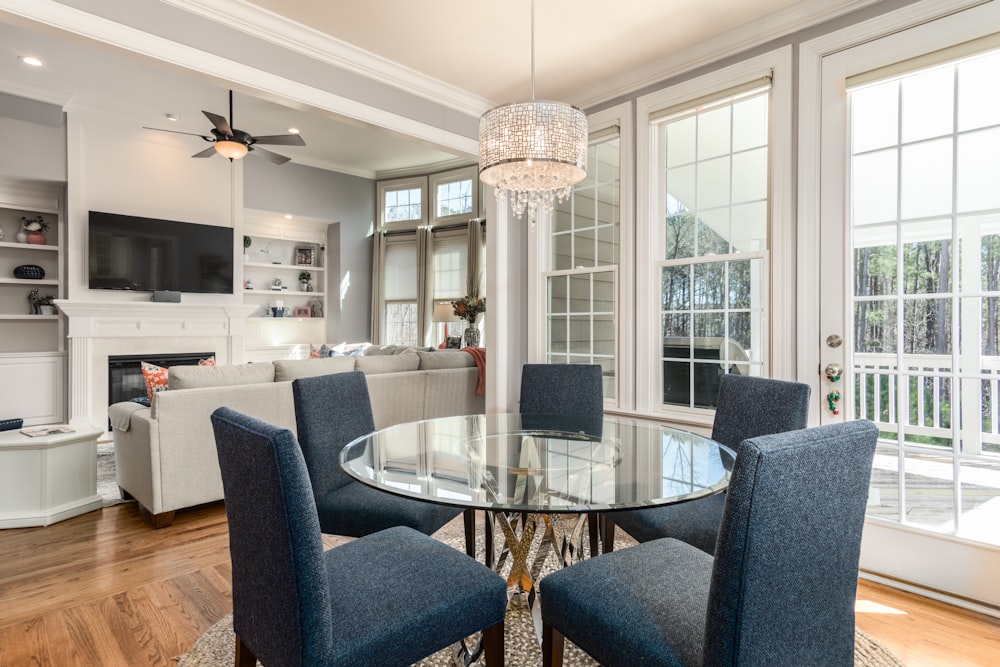
living room of house for sale


7.    What Are Your Biggest Concerns About the Property?

Home Inspectors work with hundreds of houses, and they have a pretty good idea about which issues are major, which are minor, and which should cause you to walk away from a potential deal. While they will document these findings in the inspection, it is a great idea to directly ask them what they think the biggest issues are, and whether or not they recommend moving forward with the purchase. In cases that require further inspection, your inspector may refer you to a structural engineer who can zero in on a specific issue.


8.    How Much Work Does the House Need, and How Much Would the Repairs Cost?

Inspectors are not general contractors, and they might not always feel comfortable providing price estimates. However, since they do this all the time, they do likely know ballparks of how expensive certain repair work can be. Ask your inspector what kind of shape the house is currently in, and approximately how much it would cost to get it up to speed. You probably don’t want to buy a house that needs months of repairs before you can be fully settled in.


9.    Is There Any Major Concerns that the Current Owner Should Fix Before Closing?

Depending on the market, you may or may not be able to get the seller to make concessions. This is especially true if the inspection reveals any major issues in the house. Foundation issues, rotten floorboards, HVAC system issues, lead paint, the condition of the roof, and a bad electrical panel are all potential problems that you may be able to ask the current owner to address before the home purchase is completed.


10. Can You Explain/Clarify (X) for Me?

Face it; you are not an expert in home construction or inspection. That is why you are hiring an inspector, after all! The whole point of working with a home inspector is to uncover issues with (or gain confidence in) the property that you are planning to buy. If there is anything at all that you don’t fully understand, it is a good idea to ask the inspector for clarification.

For example, if your inspector tells you that there is a bit of water damage in the ceiling in the second bedroom, you should probably ask what that means for you in the long run. Obviously, it means that water has gotten to the ceiling and caused damage. But what caused the damage? Will the ceiling be expensive to repair? Will the roof need to be replaced? All of these questions stem from the slight water damage on the ceiling, and you may not know the answers unless you ask.


How Can You Find a Good Home Inspector?

Good home inspectors don't grow on trees, and home buyers are often left wondering where to look. If you are working with a trustworthy real estate agent, they are likely the best place to start. Since real estate agents work with potential buyers all the time, they usually have great recommendations for finding the right home inspector and other vendors throughout the home-buying process.

This is only the case if your real estate agent is trustworthy. If your real estate agent recommends their friend or family member for your residential inspection, there might be a conflict of interest going on that you want to avoid.


Thanks for reading our post on essential questions to ask your home inspector before closing on a house. Hopefully, these questions are helpful for you as you look for a home inspector and ultimately go through the inspection process. Getting a home inspection is one of the most important parts of the entire home-buying process, and these questions can help you to get the most out of your inspection and go into closing with a full understanding of the state of your new home.


If you visit Myrtle Beach or any other place in South Carolina and fall in love, we’re here to help. We at The Boyd Team are committed to helping you find the right property for your needs and dreams. Any question that you have about moving to the area and finding your dream home by the beach is our pleasure to answer. Feel free to send us an email at eddie@boydteam.com or text or call us at (843) 222-8566, and we will get back to you as soon as we can. Being true natives of the Grand Strand and Horry County and with over 25 years of experience in the local real estate market, whether buying or selling, we can help you make your dreams a reality.  

No One Knows The Grand Strand Better! Trust, Knowledge, Experience, and Professionalism You Can Count On!


Posted in BoydTeam Blog
March 18, 2023

12 Questions to Ask Yourself Before Buying a House

Buying a house is one of the biggest decisions that you can make. The amount of debt is immense, the financial commitment is usually decades-long, and the responsibility level is drastically higher than when renting. With that being said, buying can be extremely advantageous in a lot of situations. To determine whether or not buying is a good idea in your situation, as well as what you should be looking for as you go through the buying process, ask yourself the following 12 questions. As always, these questions are just to be used as general guidance, and we are not liable for any decisions that you make based on the information in this post.


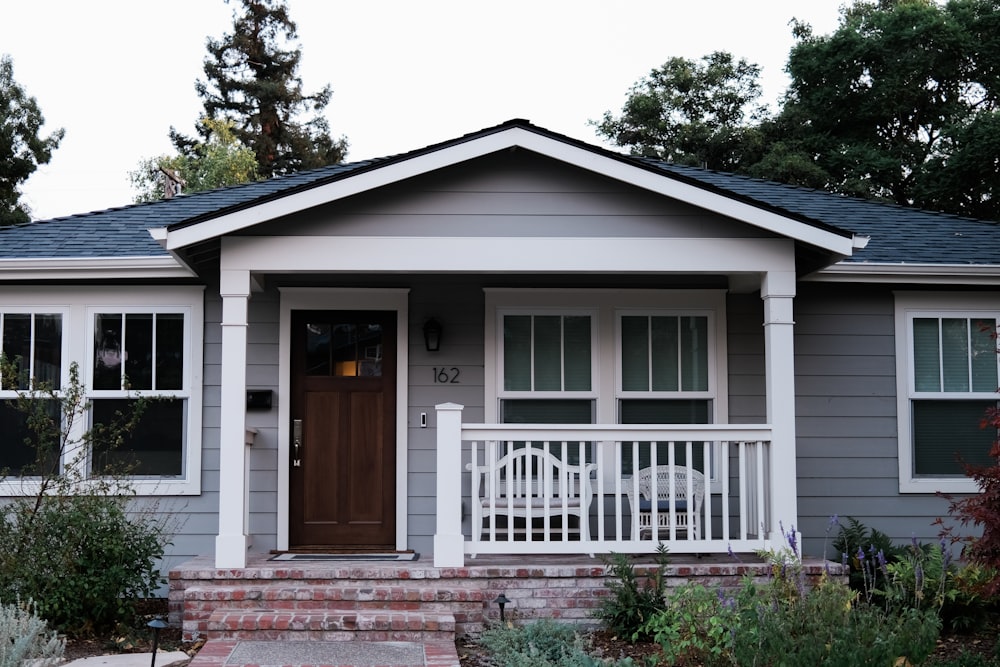
white and brown wooden house


1.          Can I afford a house?

One of the first things to determine is whether you can even afford a house in the first place. After all, houses are not cheap, and not everyone can afford to make the monthly payment on a mortgage! Before house hunting, you should meet with a trustworthy real estate agent or advisor who can help you to understand the full picture of the costs and expenses that go along with homeownership.


2. How much money can I spend on a house?

Generally understanding that you can afford a house is one thing. Understanding exactly how much you can afford to spend is another. There are a lot of hidden costs that go into home ownership, and properly estimating them is crucial before signing any mortgage agreement. Property taxes, utilities, mortgage insurance, closing costs, and general upkeep are all things that many buyers underestimate, which can really be a problem when money gets tight.


3.     How much should I save for a down payment?

Conventionally, it is best to pay 20% of the price of a house in the form of a down payment. This means that if a house is selling for $250,000, the typical buyer would put down $50,000 at closing. While this is the standard practice, buyers can often put as little as 3% down on their house, and the actual amount your lender requires you to put down will likely vary.


4.          How much are closing costs?

Closing costs are the expenses that a buyer needs to pay at closing that deal with the sale of the house. From the home inspection to the title transfer and more, these costs are what facilitate the actual sale of the house. The average closing costs vary depending on the sale and where it occurs, but you can generally expect them to be about 3-6% of the total mortgage amount, which is equal to the sale price minus the down payment.


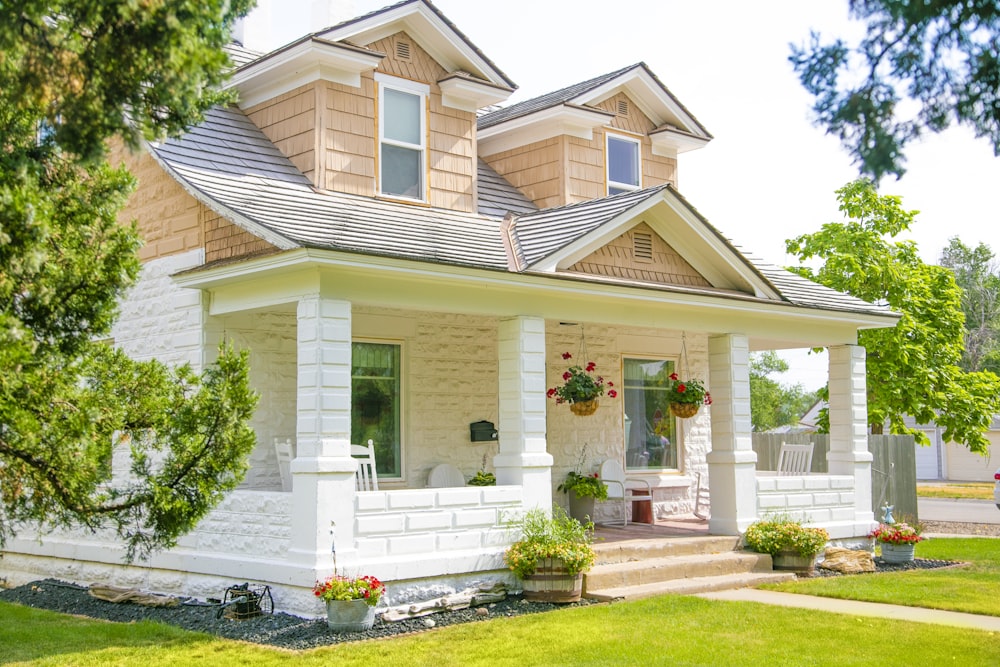
white and brown concrete house


5.          How much do I need to save for moving expenses?

Everyone’s move-in looks different. Some people might try to do the entire move by themselves while others might employ a moving crew to handle the bulk of the work. For this reason, the moving costs you will pay will vary greatly depending on how you plan to move your things. First, you should figure out how you plan to move, and then you should research what those specific costs might look like.


6.          How are the nearby schools?

If you have children, you might be very interested in the local school districts. While some parents opt to send their children to private school or homeschool them, the vast majority of American children attend public school. If you plan to send your children to public school, it is crucial that you check out the local school districts before picking a house, as some houses might be located within the confines of subpar school districts.


7.          How is the neighborhood?

When you move into a home, you naturally become a part of the local community. As homeownership is generally more permanent than renting, you can expect to get involved in one way or another with your neighborhood. Understanding the general makeup of the neighborhood, as well as what facilities are located within it, is a crucial step in the home-buying process. If you like the ability to walk to a park or a grocery store, for example, it is crucial that you check out houses in a more walkable neighborhood.


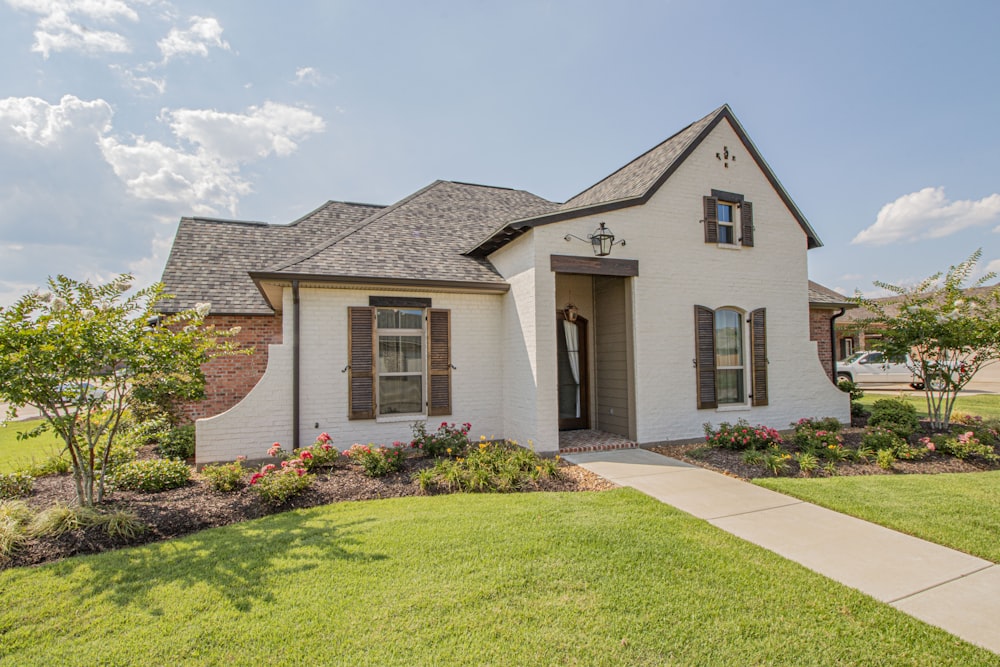
brown and white concrete house


8.          Are there any noticeable problems or defects within the house?

When you go through the home-buying process, you will have the opportunity to ask all the questions you want. It is important that you use this opportunity wisely. You will likely have an inspection done during the process, and it is important that you speak to the inspector to make sure that you understand the exact state of the home before you buy it.


9.          Will you need to immediately fix or replace anything within the house?

There are certain aspects of a home that need to be repaired or replaced over time, and it is important that you understand the state of those things before closing on a house. Replacing a roof or a boiler is very expensive, and it is important that you understand the current status of these expensive components before the sale is finalized. If the roof needs to be replaced soon, you may be able to get the seller to pay for it, or reduce the sale price so that you can pay for it once the sale goes through.


10.       How much are similar homes in the neighborhood selling for?

Property values often tend to move in sync. Generally speaking, houses in the same neighborhood tend to appreciate at the same rate. So, if other, similar houses in the same neighborhood are selling for much more or much less than the house you are looking at, it is important to figure out why.


11.       How many days has the house been on the market?

Some sellers have all the time in the world to sell their homes, while others are in a bit more of a hurry. If a house has been listed on the market for a long time, there are two things that you should know. Firstly, it could signal that there is a problem with the home. Normally, there is a reason that a house isn’t selling, and this is especially true if nearby houses are selling more quickly. Secondly, it could provide you with some extra negotiating room, as a desperate seller might be more willing to offload the home for a much lower price.


12.       Why do you want to purchase a home rather than rent?

The final key question in our list is simple: what is driving you to buy a house rather than continue renting? Buying a home is a massive commitment, and it isn’t always the best decision. It is important that you ask yourself about your motives before you get too far in the process, as shortsighted motives can lead to real financial woes down the line. Buying a house requires a large amount of discernment, and it’s important to truly understand your desires and reasons before you get too involved in the process.


Thanks for reading our post on questions to ask yourself before buying a home! Hopefully these questions are helpful for you as you begin your housing search. While buying a home is not for everyone, it is truly a rewarding experience for many people who decide to take the big step into homeownership.


If you visit Myrtle Beach or any other place in South Carolina and fall in love, we’re here to help. We at The Boyd Team are committed to helping you find the right property for your needs and dreams. Any question that you have about moving to the area and finding your dream home by the beach is our pleasure to answer. Feel free to send us an email at eddie@boydteam.com or text or call us at (843) 222-8566, and we will get back to you as soon as we can. Being true natives of the Grand Strand and Horry County and with over 25 years of experience in the local real estate market, whether buying or selling, we can help you make your dreams a reality.  

No One Knows The Grand Strand Better! Trust, Knowledge, Experience, and Professionalism You Can Count On!


Written by Greg


Posted in BoydTeam Blog
March 13, 2023

6 Ways to Maintain Your Beachfront Property's Curb Appeal

A beachfront property with good curb appeal


The quick access to the sea and relaxation on the sand make beachfront properties a desired commodity. There are numerous benefits to owning a beach house. However, one of the biggest negatives for most people is that it’s not always easy to maintain your beach paradise. Whether your goal with a beachfront house is to sell it, rent it, or enjoy it for yourself, you will be faced with the upkeep of a beachfront property's curb appeal.


Two factors have to be considered if you want the curb appeal of your beachfront property to look good. Firstly, it has to be smartly designed. Your exterior design should be a mix of aesthetic appeal and utility. Remember that one can’t go without the other. If your property’s exterior can be cleaned in 15 minutes but looks bland, you might as well save yourself the 15 minutes and vice versa. Secondly, you have to be frequent. Beachfront properties are more exposed to the elements than continental homes. This means that things like cleaning, inspections, and repairs have to be done on a much more regular basis. 

Let’s go through a list of the best strategies and ideas which will help you achieve that perfect beachfront property paradise look. 


1. Use a beachy color palette


Your home’s exterior wall color is the first thing a visitor sees. In any other context, colors such as light and vibrant blues, pinks, and yellows would come off as tacky and kitschy. But, in a beachfront setting, the story is completely different. Beach houses are in a league of their own. On its own, their location distinguishes them. So there’s no need to blend in or be modest with your color choices. 

Classic nautical colors such as vibrant blues never disappoint. But a beachfront property allows you to be very creative. As long as it’s bright and colorful, the color will instantly increase your home’s curb appeal. 

One thing to note, however, is that beachfront property owners commonly make the mistake of mixing up the idea of a light color and a vibrant color. Using colors that are too light (ex., pastels) can cause a maintenance nightmare. Since your home is always exposed to moisture and sand, walls can get dirty fast. And that dirt shows on pastel colors. On the other hand, vibrant colors show less dust buildup. This means that pressure washes will be less frequent. 

Pro tip - You can incorporate pastels as smaller accents if you want to include them in your design. 


2. Add nautical details


Another thing that can increase the curb appeal of your beachfront property or nautical details. These will help you make your beachfront home look like one of those dream homes from the magazines. Small touches like anchors, 2D sun sculptures, nautical ropes, etc., are all wonderful options to help you connect your home to the sea. This is your time to get truly creative. Just make sure not to clash with any colors or patterns. You can also benefit from this decorative step if you’re looking to sell or rent the place. Small things like these are great for attracting buyers or renters. People appreciate it when sellers show attention to detail. You shouldn’t underestimate the importance of the “beach house feel.” 

However, a very important thing to remember is that it’s easy to go overboard with this. All of these things will collect dust and sand, and most of them will need to be cleaned regularly. If you deck out your home with too many tchotchkes will make it harder to maintain the beachfront property's curb appeal. Subsequently, this will also negate any appeal you gained from adding these details. 


3. Create a welcoming and easily cleanable porch area


Your front porch area is the perfect example of mixing utility with aesthetic appeal. There are two main components to creating an excellent beachfront property porch, choosing the right materials and choosing the right seal/color. 

First, let’s discuss your front door. The front door is the first thing a person sees when entering your home. Since it’s a natural material, the obvious and most common choice for material is wood. However, since beachfront properties are sometimes more easily accessible, they require stronger security. We recommend looking into reinforced doors and more powerful smart locks. A popular choice for front door coloring is to use a different color from the rest of the home’s exterior to make it pop. However, it’s always smarter to choose a darker color since it’s a lot easier to maintain and keep clean. 

Secondly, there is the porch itself. Wooden planks are common, although concrete is also a possibility. Concrete is much better for maintenance since it’s a lot more durable and less sensitive to moisture and water. But it usually won’t look as nice. If you choose wood, you’ll have to make sure the stain and sealant are good quality. They’ll protect the wood from warping because of humidity. Both of these are fairly easily cleaned. A good sweep from time to time should be enough. You can also pressure wash them annually. 


4. Utility-oriented landscaping that looks good


Great beach house landscaping comes down to two things - choosing local plants that make sense for the area and ease of maintenance. You should be decorating the landscape of your curb with plants, shrubs, and flowers that already naturally exist in the area. Not only will this make your curb seem more coherent with its surroundings, but it’ll also reduce gardening needs. Additionally, you could skip out on using seasonal flowers that have to be replanted often to simplify the maintenance of your beachfront property's curb appeal. Remember that potting your plants makes it easier to replace them later on. 

Since garden maintenance will be more frequent, you’ll need all your gardening tools and supplies. If you don’t have a garden shed on your beachfront property but had one in your previous home, experts from Big Man's Moving Company recommend looking into ways to move your old shed to your new home.


5. Use simple and durable outdoor furniture 


When picking out your outdoor furniture, you should mainly focus on durability and materials that are easy to clean. While it is important for it to go with the design of the rest of the house’s exterior, it’s much more important that it lasts. Let’s use porch chairs as an example. While you may prefer the look of a chair with leather-covered seating and pillows, it simply isn’t practical. No matter how durable the construction of this chair is, the traction created by sand and frequent use will quickly start to damage the leather. 

Additionally, if it starts raining, you’ll have a problem there as well. A good rule of thumb to follow is “the simpler, the better.” Along with that, you should stick to three main materials - wood, plastic, and metal. 

Pro tip - This advice should also be applied to your backyard. For example, if you want to create a fun playground for your kids there, you should use natural materials since they require much less upkeep.


6. Always cover your pool


A pool is a great amenity to have at your beachfront property, whether you’re looking to sell it or use it yourself. But it has to be well maintained. Cleaning it regularly will help. But it’s even more important to remember to cover it whenever it isn’t in use for a while and during every storm. Doing this reduces the likelihood of it suffering damage. And it will even reduce the need for frequent cleaning. Having a pool at your beachfront property can be the nail in the coffin for sellers to increase property value. Of course, there are some pros and cons of adding a swimming pool to a home you plan to sell, and you should carefully look at both sides. But, in most cases, the result will be that it’s a good idea. 


Maintaining a beachfront property's curb appeal can be easy!


There are many pros and cons that come with buying a beach house. Maintaining the beachfront property's curb appeal is one of the biggest cons for most people. However, with a healthy mix of smart design choices and frequent upkeep, you can easily reduce the problems this con creates to nothing.


Posted in BoydTeam Blog
March 11, 2023

What Is a Mortgage Preapproval? Everything to Know.

Buying a house is one of the biggest commitments you will ever make. Between the time it takes to maintain the house and the financial promises you will make and need to keep, being a homeowner certainly comes with a lot of responsibilities. With all of this responsibility, it makes sense that there are many hurdles to buying a home in the first place.


As a home is such a big purchase, you will need to find a lender who is willing to trust you with a very large loan, which is the mortgage. Getting a mortgage can either be very easy or very difficult depending on a lot of factors, but it is nearly impossible to buy a home without one.


Since you will need to get a mortgage anyway, it is a good idea to get a mortgage preapproval earlier in the home-buying process than later. A mortgage preapproval can help to separate you from other buyers, as it shows that you are prepared, committed, and able to act more quickly than some other bidders in the same market.


top-view photography of houses at daytime


What Exactly Is a Mortgage Preapproval?


A mortgage preapproval is an official document from a mortgage lender stating they will provide you a mortgage up to a specified amount. Essentially, a mortgage preapproval is as close to an actual mortgage as you can get without buying a home. The mortgage lender checks all of your background information, vets all of your documentation, scours through your finances and ultimately decides how much money they are willing to lend you.


Why Should You Get a Mortgage Preapproval?


1.     It shows that you are seriously interested and organized


If you have a mortgage preapproval, a seller automatically knows that you’re ready to pull the trigger on a home. Sorting out paperwork with a mortgage lender can be a time-consuming task, and ultimately can lead to major delays in the closing of the sale of a home. If you are already preapproved for a mortgage, sellers know that there will likely not be any delays, and they may opt to accept your bid over someone else’s because of this.


2.     It may give you more negotiating power


If a seller wants to sell their home quickly, odds are they will only want to work with buyers who they think can actually follow through on the sale. That feeds into the point above. However, if there is anything external causing them to be in a hurry to sell, a preapproval might give you a little bit of bargaining power. Since your preapproval likely gives them confidence that you are ready and able to follow through on a sale, they might be more willing to meet any demands you have to get the sale done. If you want the seller to cover some of the closing costs or help fix the leaky roof before you buy, they might be more willing to accept.


3.     You might be able to move into your home sooner


Finalizing your mortgage approval can really delay your closing on a home. Mortgage lenders want to see a laundry list of documents that prove you are whom you say you are and you can pay them how much you say you can pay them. Vetting your documentation can be a very drawn-out process, and waiting to do this until after you make an offer on a home can delay things for both you and the seller. If you get a pre-approval, the bulk of this is already done before you make an offer on a home, which often shortens the time between when you submit your offer and when you get the keys to the home.


Are a Mortgage Preapproval and Prequalification the Same Thing?


Many prospective homebuyers confuse mortgage prequalification with mortgage preapproval. Preapproval, as we just explained, is a very detailed and official process that requires a lot of work by both you and your mortgage lender. Mortgage prequalification is a much simpler process where a mortgage lender takes a general look at your income and credit score and provides an idea of how much money they’d be willing to lend you. Mortgage prequalification is nice, as it gives you a more accurate idea of how much money you can afford to spend on a home without the need to provide tax returns, pay stubs, and other personal documentation.


housing loan blocks on brown wooden surface


How Long Does a Mortgage Preapproval Take?


The mortgage preapproval process varies greatly depending on the lender. Some lenders can complete the process in a matter of days, while others require weeks to finalize the preapproval letter. Typically, you can expect the process to take somewhere between one and two weeks.


How Long Is a Mortgage Preapproval Good For?


Generally, mortgage preapprovals are good for 90 days. If you choose to buy a home outside of this 90-day period, you will likely need to contact your mortgage lender to get a new preapproval letter drafted.


Does a Mortgage Preapproval Guarantee the Interest Rate?


Mortgage preapprovals are calculated based on the current interest rate, but interest rates are highly variable. If you wait a couple of months to buy a house, the interest rate likely will have changed. Depending on the current market environment, the new interest rate could be either lower or higher than the previous interest rate.


Thanks for reading our post on mortgage preapprovals! Hopefully this post has provided you with everything you need to know about mortgage preapprovals before you buy a home. Getting preapproved for a mortgage is hard, but no harder than getting a mortgage itself. For this reason, we highly recommend that you seek out a mortgage preapproval before you are ready to put an offer down on a house. There is a good chance that the seller of your new home will look favorably on your preapproval, and it could mean plenty of positive things throughout the closing process.


While every situation is different, getting a mortgage preapproval is almost always a good idea, if it is within your means. It speeds up the homebuying process, earns you negotiating power while you explore the housing market, and gives you extra clarity as you shop for a new home. There are very few drawbacks, if any, to getting a mortgage preapproval before making an offer on a home.


If you visit Myrtle Beach or any other place in South Carolina and fall in love, we’re here to help. We at The Boyd Team are committed to helping you find the right property for your needs and dreams. Any question that you have about moving to the area and finding your dream home by the beach is our pleasure to answer. Feel free to send us an email at eddie@boydteam.com or text or call us at (843) 222-8566, and we will get back to you as soon as we can. Being true natives of the Grand Strand and Horry County and with over 25 years of experience in the local real estate market, whether buying or selling, we can help you make your dreams a reality.  

No One Knows The Grand Strand Better! Trust, Knowledge, Experience, and Professionalism You Can Count On!


Posted in BoydTeam Blog
March 4, 2023

Is the Market Shifting Towards Buyers? [Spring 2023]

In the past, we have written posts clarifying the difference between a buyer's market and a seller’s market. With all of the turbulence in the real estate market over the past several months, it’s important to understand whether the market is currently favorable to buyers or to sellers. Ever since the Covid-19 pandemic, the real estate market has looked much different. It caused people to relocate to new parts of the country because of work, including a mass migration away from major cities. This quick disruption to the market caused effects that are still being seen in the spring of 2023.


What Is a Buyer’s Market?


In brief, a buyer’s market is a situation in the real estate marketplace that favors buyers more than sellers. In a strong buyer’s market, prices are low, interest rates are reasonable, and sellers have very little power. The supply of homes tends to be very high, while demand tends to be very low. When the market favors buyers, it is more common to see sellers accepting bids below their asking price. This is simply because they can’t find any takers at their full asking price!


The market dynamics always ebb and flow, and the situation changes every year; sometimes even multiple times per year. If you are entering the real estate market this spring, either as a buyer or a seller, it is crucial to understand what is going on.


brown and white wooden house near green trees under blue sky during daytime


Disclaimer: Not Every Local Market Functions Equally


While general economic principles apply everywhere, there is always some wiggle room in to what degree they apply. There can always be unique circumstances that cause one market to act differently from another. However, on a broader level, you can expect most areas to behave in a similar way, as the main economic forces of the real estate market tend to function similarly regardless of location.


Are We Entering a Buyer’s Market?


It may be too early to confidently say that we are entering a buyer’s market, as there is a lot yet to be determined. The economy is in a very unusual position, and that causes a degree of uncertainty when projecting what will happen with the housing market. What can be said, however, is that there are certainly signs that a buyer’s market may be approaching.


Home Prices are Dropping


The first sign that a buyer’s market may be on the way is that home prices are starting to drop around the country. While real estate tends to gain value very consistently over time, it is very common for the growth to happen a little too quickly sometimes, which causes prices to retract in the short term. Basically, homes get too expensive too quickly, and buyers decide to hold off until the prices come back down.

Generally, this is happening. In many places around the country, houses are starting to stay listed longer, which causes sellers to reduce their asking price in order to strike a deal sooner. Downward price movement is usually a pretty good sign that buyers are gaining power.


Interest Rates Remain High


High interest rates definitely do not favor most buyers. However, they do cause one effect that can help buyers in the short term: a reduction in demand. When interest rates are high, casual home shoppers tend to exit the market, which drastically reduces demand.

As price is a simple function of supply and demand, a drop in the demand for houses usually triggers a drop in home prices. Sellers that need to sell their homes suddenly have fewer people inquiring, which means fewer bidding wars, longer wait times, and potential concessions to buyers in order to strike a deal.


The Average Number of Days Listed Is High


The longer a house sits waiting to be sold, the more likely a seller is to make concessions to potential buyers. This could mean a reduction in price, an agreement to pay a portion of closing costs, or even putting on a new roof before the sale is finalized. When sellers are forced to make these concessions, there is no doubt that the market heavily favors buyers.

This is one of the clearest signs that the area has entered a buyer’s market. If a buyer has the power to ask a seller to lower the price or make a major upgrade to the house before the sale, it is clear who is in the driver's seat of the transaction.


aerial photography of rural


Can There Be a Buyer’s Market with High Interest Rates?


High interest rates, as we said earlier, do not favor buyers. In a regular environment, it would be hard to have a buyer's market with interest rates continually inching upwards. However, due to the retraction in housing prices and the altered demand from the pandemic, there are signs that the market may be shifting more to the favor of buyers.

Is this a strong buyer’s market? Probably not, as 7% interest rates on mortgages are certainly poor compared to a couple of years ago. However, compared to the past year, things are definitely moving in a way that gives an advantage to buyers.


Is Now a Good Time to Buy a House?


There is rarely a perfect time to buy a house. There is almost always a reason to wait. After all, it isn’t every day that you shell out hundreds of thousands of dollars! You want to make sure you make the right choice.

With that being said, it is certainly a good time to start shopping. As the prices drop, there is an increasingly good chance that you’ll find a good deal on a great home. While the high mortgage rates are a deterrent for many, they don’t need to be. If you can get a good price on the home itself, you can afford the higher interest rate. You can also always refinance down the line, too!

Really, it all boils down to your own personal situation. If you need to buy a home in the near future, the time is right. The period of “waiting for the prices to drop” has largely happened, and now you can simply wait for the price of the home you love to bottom out before you make an offer. Experts don’t predict much change in the interest rate in the near future, meaning that waiting for a sharp reduction in your potential mortgage interest rate is probably not worth doing.


 white and brown concrete house near green trees during daytime


Thanks for reading our post on whether or not the housing market is favoring buyers in the spring of 2023! While every area’s housing market may look a bit different, the points in this post are generally applicable to all areas of the United States. As always, we are not liable for any financial decisions made as a result of reading this post. This post contains general advice that can be used in various ways to help you decide whether or not now is the right time to buy.


If you visit Myrtle Beach or any other place in South Carolina and fall in love, we’re here to help. We at The Boyd Team are committed to helping you find the right property for your needs and dreams. Any question that you have about moving to the area and finding your dream home by the beach is our pleasure to answer. Feel free to send us an email at eddie@boydteam.com or text or call us at (843) 222-8566, and we will get back to you as soon as we can. Being true natives of the Grand Strand and Horry County and with over 25 years of experience in the local real estate market, whether buying or selling, we can help you make your dreams a reality.  

No One Knows The Grand Strand Better! Trust, Knowledge, Experience, and Professionalism You Can Count On!


Posted in BoydTeam Blog
Feb. 25, 2023

10 Advantages of Owning a House Near the Beach

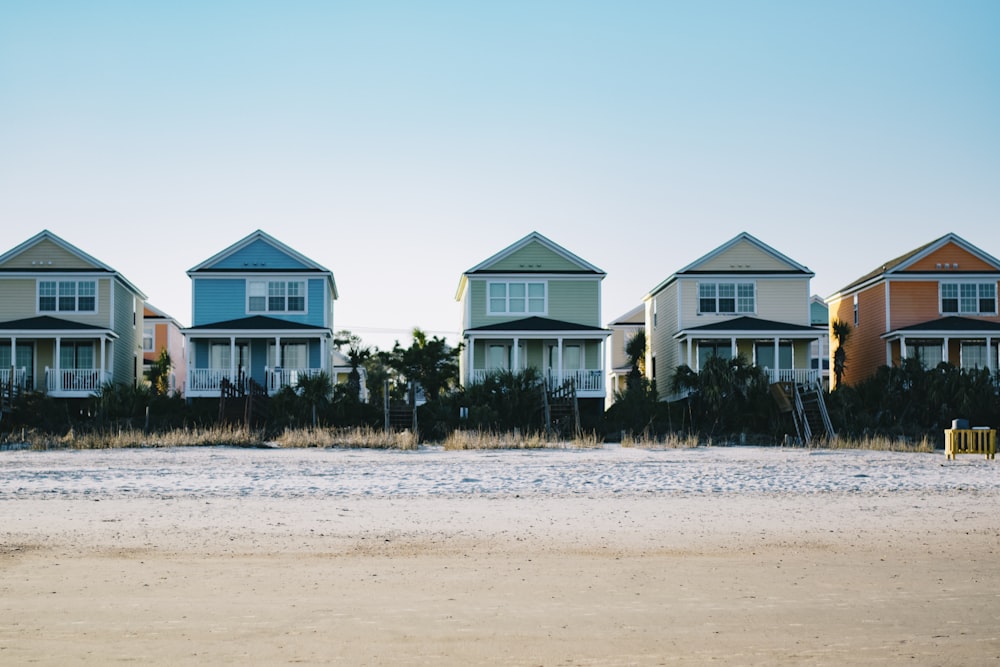
five assorted-color 2-storey houses

1.     Beachfront Properties Tend to Achieve a High Return on Investment

While you are likely buying a home as a long-term asset, it is hard to deny the investment potential that beach properties have. Beachfront real estate tends to do very well over time, and there is a very strong chance that your beach house will appreciate in value while you own it. It is often said that real estate is one of the best investments for the average American, and beachfront properties are one of the best places to start looking. While they can be expensive to buy in the first place, their values typically rise substantially over time. This is especially true in areas that are on the cusp of becoming major tourism hubs, but is true in most popular beach areas, too.


2.     Living Near the Beach Leads to Reduced Stress Levels

It has been clinically proven in several studies that living near the beach is very beneficial for your health. From the calming sounds of the ocean waves to the increased amounts of vitamin D from the year-long sunshine, your health will likely improve in some way by living near the beach – even if you don’t alter your daily routine. The sea breeze, ocean water, and drawn-out sunshine all offer health benefits that are unique to beachside areas and are a major advantage of living near the beach.


3.     People Living Near the Beach Tend to Get More Physical Activity

While the sea breeze and sunshine are said to do wonders for your health, most people living near the beach tend to lead a more active lifestyle than they do elsewhere, too. From the proximity to the beach to the warmer weather year-round, beachy areas tend to inspire inhabitants to get out and move more than inland areas. In a time where sedentary lifestyles have become very common, this advantage is incredibly valuable and can add joyful years to your life.


white and brown wooden 2-storey house


4.     Popular Beach Areas Are Filled with Amenities and Entertainment Options

While every beach area has its own charm, major beach areas are absolutely loaded with amenities. Myrtle Beach, for example, is designed to host millions of visitors every year. This means that the city and its surrounding area are equipped with enough grocery stores, restaurants, and entertainment venues to occupy the large crowds that attend during the busy season. As a resident, you get to take advantage of these areas all year long!

These areas are often filled with water parks, world-class restaurants, movie theaters, farmer's markets, and more, and residents get to take advantage of them often at a more favorable price than tourists.


5.     Beaches Have Some of the Best Sunrises and Sunsets

If you are a nature lover, you know that it is pretty hard to find a better sunrise or sunset venue than the beach. This is because beaches are situated right against the ocean, which backs up directly to a wide-open horizon. This endless stretch of water creates the perfect undisturbed backdrop for sunrises and sunsets, which are both incredibly gorgeous and calming. If you live near the beach, you can take advantage of these views as often as you want. Hello, sunrise walks on the beach!


6.     Beach Houses Make Great Rental Properties

Many people buy a beachfront house to be their primary residence. However, many others buy them as a second property or vacation home. If you fall into the latter group, you can choose to rent out your beach house during the times that you are not occupying it. Beachfront houses and condos tend to make great rental properties, as there are always people looking to visit the beach and stay in comfortable accommodations. This creates a unique opportunity to generate passive income, that in many cases can even pay your monthly dues on the property itself!


wooden fence towards the ocean


7.     You Likely Will Not Need to Move When You Retire

Not everyone moves when they retire. However, many people do choose to! After decades of long, hard work, many people seek peaceful, warm areas to call home for the rest of their days. If you already live in an area like this, you may be in less need to search for a new home after you call it quits at work. This is especially beneficial for people who appreciate stability and like to really turn their house into a “forever home.”


8.     The Offseason Is Quiet and Tranquil

Most popular beach areas have a busy season and an off-season. While the busy seasons can certainly be hectic, the off-seasons and shoulder seasons are a major highlight. As we mentioned earlier, these areas are loaded with amenities like restaurants, grocery stores, and entertainment venues. When the tourist droves go home for the year, you are left with all of these amenities at your disposal!

Imagine being able to visit popular, tourist-favorite restaurants without having to wait in a line that wraps around the corner! For the majority of the year, this is what you get as a resident of a beachside area.


9.     The Weather Is Often Better than in Inland Areas

Beach areas often have comparably better weather than areas further inland. This is largely due to the presence of the ocean, as it helps to keep temperatures relatively consistent throughout the year. It isn’t necessarily that the sun shines any harder in these areas, but rather that the ocean helps to draw heat away during the summer and provides stored heat in the winter. These areas often experience much less temperature variation between seasons as a result.

While there are certainly advantages to having four distinct seasons, many people simply do not want to deal with snow and ice. While beaches in Massachusetts often still have to deal with this winter weather, beaches in South Carolina and Florida don’t tend to have this problem!


10.  Beachside Homes Are Great for Raising a Family

The beach presents many opportunities that simply aren’t available elsewhere, or at least not to the same degree. Many beach areas are filled with small, local businesses, for example, which provide ample opportunities for teenagers to get work experience. Similarly, the relatively nice weather enables families to spend more time outside, helping them to make more meaningful memories together.

If that weren’t enough, many popular beach areas are experiencing a major boom in size, which contributes to the quality of education and housing available in the area. Many of these areas have great public school systems, and this trend is likely to continue in the future.


house surrounded with trees


Thanks for reading our post on the advantages of owning a house near the beach! As a family who lives near the beach, we can personally attest to each of the advantages listed in this post. While there are certainly a few drawbacks here and there, we truly feel that living near the beach is ripe with positive aspects and advantages that are hard to find anywhere else.


If you visit Myrtle Beach or any other place in South Carolina and fall in love, we’re here to help. We at The Boyd Team are committed to helping you find the right property for your needs and dreams. Any question that you have about moving to the area and finding your dream home by the beach is our pleasure to answer. Feel free to send us an email at eddie@boydteam.com or text or call us at (843) 222-8566, and we will get back to you as soon as we can. Being true natives of the Grand Strand and Horry County and with over 25 years of experience in the local real estate market, whether buying or selling, we can help you make your dreams a reality.  

No One Knows The Grand Strand Better! Trust, Knowledge, Experience, and Professionalism You Can Count On!

Posted in BoydTeam Blog
Feb. 24, 2023

7 Signs You Are Ready to Buy Your First Home

A couple looking at a house

If you are young and inexperienced and looking to buy your first house, it's a good idea to do research on buying immovables first. It may seem easy, but you should be prepared for this step. It's not just about collecting enough money and choosing the right house. There are a lot of things to think about, so keep reading and find out which are the seven signs you are ready to buy your first home.

First step - you have saved enough money 

When you want to buy something, whether it is real estate, a car, or something else, you need to be sure that it fits your budget. It usually takes time to collect enough money, but it's worth the wait. You need to know what your priorities are and what you are expecting from your new house or apartment. If you have managed to save money, you have proven your determination and responsibility. Now, a big part of the process of buying is completed. When you start looking at potential houses, make sure to look at the price. You aren't supposed to look at the ones that are higher than your budget and that you can't afford. It's hard to pick when you want to buy your first home because you don't have experience. You want it to be worth the money that you have been saving for so long.

a man and a woman after buying a house

Take all the time you need to decide on the house when you want to buy your first home

You have a reliable and stable job

Saving money is not always enough when buying something. Something can go wrong, and there could be some unpredictable expenses. A solution for this is a stable job. You should be sure that your job is dependable and that your salary is secure and regular. It would also be helpful to have cooperating colleagues willing to replace you at work if you need a day off to commit to buying. You can never know when something can come up and stop you from working that day. But if you have a friendly boss and your communication is good, then you shouldn't have a problem. This is the reason why it's crucial to have a reliable job. Also, when you move to your new house, you need to be sure that you will still be able to keep your job if you don't have the need to change it.

You have good knowledge of real estate

These days it's not hard to get informed about anything. If there is something you want to learn more about, you can search for it on the internet. When it comes to buying immovables, it's better to ask a real professional rather than learn about it online, especially if it's your first time buying something. Hiring a real estate agent is a good investment. You wouldn't want to make any mistakes when you buy your first home. That is why you could use professional help if real estate is not your expertise. They will help you make the final decision which you won't regret.

keys of a house

Make sure that the location of the house and the neighborhood suit you and your family

You understand homeownership and its responsibilities before you buy your first home 

Being a homeowner is not easy and carries many responsibilities and expenses. Before moving to your new house, you need to think about how you are going to transport all of your things. Experts at  miamimoversforless.com have much advice on packing and moving to your new home. It's helpful to hire a good moving company to help you with transportation. Once you have solved that, you have obligations to take care of house expenses. You could put your expenses from your old house on paper and the ones at your new home. If there is a big difference, and you don't think you can't afford it, then it's not the right house. In this situation, you should look for a new one which won't be expensive for you and being a homeowner will be much easier.

You know the locations that suit you

A nice house with a quiet neighborhood, a big yard, beautiful sights, and nature sounds like a dream house. Imagine having neighbors you can hang out with and your children having many friends. Imagine also your kid's schools and your work being near your home. That is why it's crucial to choose the location wisely. There is a lot to think about when it comes to the area of the house. You wouldn't want your children to grow up in a scary and disturbing neighborhood. You should know if you prefer an urban or rural environment and other features that can help you make the decision. If you are moving with your family, take as much time as you need to pick the house that will suit the family member's needs. The right location can usually make up for something you don't like about the potential new home.


two men making a deal

Follow all of the steps before deciding on the house


You are aware of what you can afford

If you are good with money and know how to spend it, then this shouldn't be a problem for you. You are supposed to be realistic about expenses and prices you can afford. There is no need to spend all your money on the house or try to save some more money when you want to buy your first home. Decide on the budget with your family members and stick to it. It's important to be aware of your income and what you can afford with it, especially if you are a first-time home buyer. Some people make mistakes and go over the expenses that they can afford. That's why you should prepare for the experience and follow these tips, so you don't make the same mistake as them.

You feel ready and mature enough

All of these steps are worthless if you don't feel ready psychologically. Money, homeownership, and knowledge of real estate don't matter that much anymore if you don't feel the need to buy your first home or if you don't feel mature enough. It's a big step that could change your life, so you need to prepare for it and consider everything. There are many things to take care of, so you have to be responsible and capable of fulfilling them. Believe in yourself and take as much time as you need to be sure you are ready for this step.

Final comment:

Besides all the effort, time, and stress you and your family put into when you want to buy your first home, there is also a fun part. You will feel more mature and responsible. It will be like starting a new chapter in your life. You will finally be able to enjoy something after spending so much time and patience. Nevertheless, to enjoy all that, you need to be sure that you are prepared. Hopefully, these seven signs that you are ready to buy your first home have helped you become ready to make this change in your life.


Posted in BoydTeam Blog
Feb. 18, 2023

Making an Offer on a Home: Should You Offer Above or Below the Asking Price?

Buying a home takes a lot more work than you might initially think. After all, there is a lot more to it than just selecting the right home! Touring homes and narrowing down the list is only one half of the process. Once you have a shortlist of houses, you still have to make an offer and ultimately close the deal.

This part of the process is often much more stressful for homebuyers, as it requires a lot of preparation and prep work. Making a good offer requires a thorough assessment of the local housing market and its current environment. This is why working with a realtor is crucial, as they work through these specific things each and every day.

Whether or not you choose to work with a realtor, it is important that you understand some of the market mechanisms that determine whether or not you should offer above, below, or right on the asking price. This post will give a brief overview of scenarios where each type of offer may be your best bet.

 Red and White Sold sign on house

What Is an Asking Price?

The Asking Price on a home is the minimum amount that a seller hopes to sell their property for. In most cases, the seller expects to receive at least the asking price in any sale. However, as will be explained later, this may not always be the case.


How Is an Asking Price Determined?

Sellers work with their realtors to determine what the asking price should be. There are many factors that go into the calculation of the asking price, including the seller’s goals, the trends within the local housing market, and the current interest rates that largely influence demand. Figuring out an asking price is almost a science, as sellers are careful not to undersell their property value while also setting the asking price within reason for buyers.


When to Offer Right on the Asking Price

In most cases, it is best to offer right around the asking price. After all, it is the amount of money that the seller is hoping to get in return for selling their home, and it is likely the amount that their realtor advised them to list it for. Most listing prices aren’t just arbitrary amounts that sellers hope to sell for! While it is not always the case, the listing price is likely the fair price to pay for a home during an average time in the market.

Different events going on in the local housing market and broader economy can influence this, as will be described later. However, it is usually a safe bet to offer and expect to pay right on the asking price.

If you are considering multiple houses, this is especially true. Unless you have pinned your search down to one home and are afraid that it could slip away from your grasp, your realtor will likely encourage you to submit an offer that is right around the asking price.


green trees near red and white house under blue sky during daytime

When to Offer Above the Asking Price

There are a few times when offering above the asking price might be fruitful. Firstly, if the local housing market is currently favoring sellers, you may need to offer above the asking price to even compete with the other buyers. This was very noticeable during the Covid-19 pandemic when houses were selling in a matter of days for far above the asking price.

Buyers were waiving all kinds of rights and submitting crazy cash offers, as there was simply no chance of submitting a winning offer without doing so. Generally speaking, this would not have been a good time to be a homebuyer, as the sellers certainly held all of the power. However, for those who really needed to purchase a house within a limited timeframe, the best bet was to submit an offer above the asking price.

The other common scenario that might warrant offering above the asking price is if a home is simply too good to miss out on. If you are worried that another buyer could swoop in and steal your dream home away from you, a good option is to bet a couple of percentage points above the asking price. This almost automatically makes you win out over any other buyers that just offer the asking price, almost guaranteeing that your offer will be selected in a normal market.

When to Offer Below the Asking Price

There is only one real time to offer below the asking price, and that is when the power shifts into the buyers’ hands. This dynamic is called a buyer’s market, and it exists when supply is high and demand is low. When there are too many houses and not enough buyers, sellers have a really hard time finding any takers on their homes. This is often an optimal time for buyers to step in and find desperate sellers who are in need of a quick sale.

This approach is especially effective if you are not in a time crunch as a buyer. If you are able to sit back and wait for a seller to accept a lowball offer, you may be able to get a house at a steal of a price. However, it is worth noting that the market is currently not especially favorable to buyers, and this tactic is not likely to be very successful in the short term.  


Final Thoughts on Making an Offer on a Home

Making an offer on a home is a really big deal, as it is one of the final steps before finalizing the sale. Naturally, it is important that you work with a qualified realtor to help this part of the process move along smoothly. Offering the right amount on a home is really important, as a bad offer can either cause you to overpay on a house or miss out on it entirely.

In the vast majority of cases, you will likely offer somewhere very close to the seller’s asking price. This is because asking prices are formulated very carefully by sellers and realtors, and in a normal market, sellers will expect to receive at least the asking price in any sale.

However, as outlined above, there are a few circumstances where offering below or above the asking price may be advantageous to a buyer. Most homebuyers, especially those looking to buy a home for the first time, are not familiar enough with the market dynamics to make this assessment accurately by themselves.


top-view photography of houses at daytime


Thanks for reading our post on making an accurate offer on a home! While this post is not detailed enough to help you make an offer yourself, it is certainly helpful in helping you to understand which situations warrant offers above and below the asking price. Again, most situations will warrant you offering somewhere right around the asking price, but this is always best determined by the realtor with whom you are working! Every situation is different, as it depends largely on both the local housing market as well as trends in the broader economy. As always, we are not liable for any ramifications of financial decisions that are made as a result of the advice in this post.


If you visit Myrtle Beach or any other place in South Carolina and fall in love, we’re here to help. We at The Boyd Team are committed to helping you find the right property for your needs and dreams. Any question that you have about moving to the area and finding your dream home by the beach is our pleasure to answer. Feel free to send us an email at eddie@boydteam.com or text or call us at (843) 222-8566, and we will get back to you as soon as we can. Being true natives of the Grand Strand and Horry County and with over 25 years of experience in the local real estate market, whether buying or selling, we can help you make your dreams a reality.  

No One Knows The Grand Strand Better! Trust, Knowledge, Experience, and Professionalism You Can Count On!


Posted in BoydTeam Blog
Feb. 11, 2023

Best Advantages of Buying a Home in the Spring

Best Advantages of Buying a Home in the Spring


Buying a home is one of the largest financial commitments someone ever makes in their life. 30 years of payments and several years' worth of salary is enough to intimidate many home buyers, but the fact remains that most people need to buy a home at some point during their lifetime. One thing that many potential buyers don't realize is that the time of year can greatly impact the options they find while house hunting.


The housing market shifts drastically throughout the year. Different seasons bring different advantages and disadvantages to both buyers and sellers. The winter months tend to be a slower time for the industry, while the warmer weather of the summer is more likely to cause bidding wars. However, there is nuance to each season within the real estate market!


Most of the nuance and seasonality have to do with supply and demand between buyers and sellers. Fortunately (or unfortunately!), there is not much seasonality in interest rates, and mortgage lenders will likely offer similar packages throughout the year.


One of the most popular times to go shopping for a new home is in the spring and early summer, as the school year closes out and the less busy summer months roll around. This leaves the question: what are the advantages of buying a home in the spring? This post will dive into the reasons why spring can actually be the perfect time to buy a home for many buyers.


brown and white concrete house

Supply Is Starting to Rebound

The real estate market is very seasonal, and you can generally expect what supply and demand will look like each year. While the supply of homes is at its highest in the summer and lowest in the winter, the spring is the season when the number of homes on the market starts to really tick up.


The spring market is ripe with homes whose owners want to relocate before the start of the new school year in the coming months. These sellers are often motivated to strike a deal earlier in the year so that they have plenty of time to get settled in their new home before the next school year begins.


In the winter months, there simply aren't many options on the market for homebuyers. Home sales drop drastically during the winter for this reason. However, as the colder months subside and the warm weather rolls in, there is a much better chance that a buyer will find the perfect home available for them on the market, as there is usually an explosion of new listings for buyers to investigate.


Home Sellers Are More Motivated to Strike a Deal

When sellers list their homes in the spring, it is often because they have a pressing need to move somewhere else. Whether they are relocating for work, school, or retirement, these sellers are often motivated to strike a deal quickly so that they can move on to whatever their next chapter in life is. If you work with a good real estate agent, spring can be a really good time to land a great deal.


With that being said, housing prices also tend to be at their highest in the spring and summer months. This means that you may not get the lowest price in the spring if you settle for paying the asking price, but you are at least more likely to find a home that is worth overspending on.


man in black shirt sitting on chair near white wooden house during daytime


There Are Less Prospective Homebuyers Bidding Against You

One of the biggest advantages of buying a home in the spring is that there are fewer prospective buyers in the market against you. There is much less competition in the spring market than in the summer market, which often helps buyers attain lower purchase prices. While the asking prices are high in both the spring and summer, the good news is that buyers are much more likely to negotiate a lower final price in the spring than they are in the summer.


You'll see this when attending open houses. While there is certainly higher demand than in the winter, there are simply fewer buyers shopping around in March than there are in July. This, combined with the high number of available homes, is a huge advantage of buying a home in the spring.


Homes Are Usually the Prettiest During the Spring

This could be both an advantage and a disadvantage, depending on how you look at it. If your first impression of a house is at its most beautiful time, you could be persuaded to overspend on it. This is never a good thing, and it can leave you with an excessively high monthly payment for the next three decades.


However, if you are on the fence about a house, seeing it in its most beautiful time could help you to push your chips into the middle of the table and submit an offer. Many first-time buyers are afraid to make their first offer, and seeing the green buds of the blooming flowers in the front yard could be enough to assure them that it truly is the right place for them. Early spring doesn't tend to offer this advantage to buyers, but the later months of the spring season tend to.


Moving into a New House Is Easiest in the Spring and Fall

Aside from all of the price- and time-related advantages, there is one practical advantage that ought to be mentioned: the actual move-in is much easier in the spring than it is in the winter or the summer. The mild weather makes spring a great time to move, as there is much less risk of your moving truck getting stuck in snow or a heat wave impacting your big move.


Moving involves two phases: moving out of your current home and moving into your new home. This is often done over the course of several days.


In the winter or the summer, this means there are several chances for bad weather to negatively impact your move. When you move in the spring or fall, this simply is not the case, as the risk of an extremely cold or extremely hot day impacting your move is very low in most places.


Thanks for reading our post on the advantages of buying a home in the spring season. While it may be hard to pin down a single best month to buy a home, it is indisputable that spring carries major advantages for homebuyers. If you are in the right financial situation and are operating on the right kind of timeline, spring could even be the best time of year for you to buy a home.


It should be mentioned that every local market operates differently, and while the tips in this post are generally true in most places, they may not apply everywhere. This is why working with a local real estate agent is crucial to helping you strike a deal on the perfect home. Our expert advice is based on the real estate patterns in North and South Carolina, which may be slightly different from the patterns in a place like Maine.


Still, spring is the ideal time for many sellers and buyers to come together to make a deal, and closing on a house before the warmer months roll around is usually in a buyer's best interest. If you are shopping at a high interest rate time, being able to pay a lower price is even more important. If you want to find the right home at an affordable price, the spring is often the best time of the year to be shopping.


If you visit Myrtle Beach or any other place in South Carolina and fall in love, we’re here to help. We at The Boyd Team are committed to helping you find the right property for your needs and dreams. Any question that you have about moving to the area and finding your dream home by the beach is our pleasure to answer. Feel free to send us an email at eddie@boydteam.com or text or call us at (843) 222-8566, and we will get back to you as soon as we can. Being true natives of the Grand Strand and Horry County and with over 25 years of experience in the local real estate market, whether buying or selling, we can help you make your dreams a reality.  

No One Knows The Grand Strand Better! Trust, Knowledge, Experience, and Professionalism You Can Count On!

Posted in BoydTeam Blog