CATCH THE WAVE

Myrtle Beach Real Estate

We Specialize in Myrtle Beach, SC Real Estate. Lots of options are waiting for you in Myrtle Beach, South Carolina and choosing the right realtors can help you in finding the perfect area and the right home for you and your family and make your dream a reality!  Let us help you in making one of the biggest, if not the biggest, decisions in your life.   

We were both born and raised along the Grand Strand and know the entire Horry County, so no matter what style of home you are looking for or what area you prefer, we can help you!  Please give us a call and let us help you make your dream a reality!  843-222-8566.

Eddie & Julie Boyd - The Boyd Team - Realtors

Myrtle Beach Real Estate - INNOVATE Real Estate


May 18, 2023

Dos and Don'ts of Making a Lowball Offer on a House

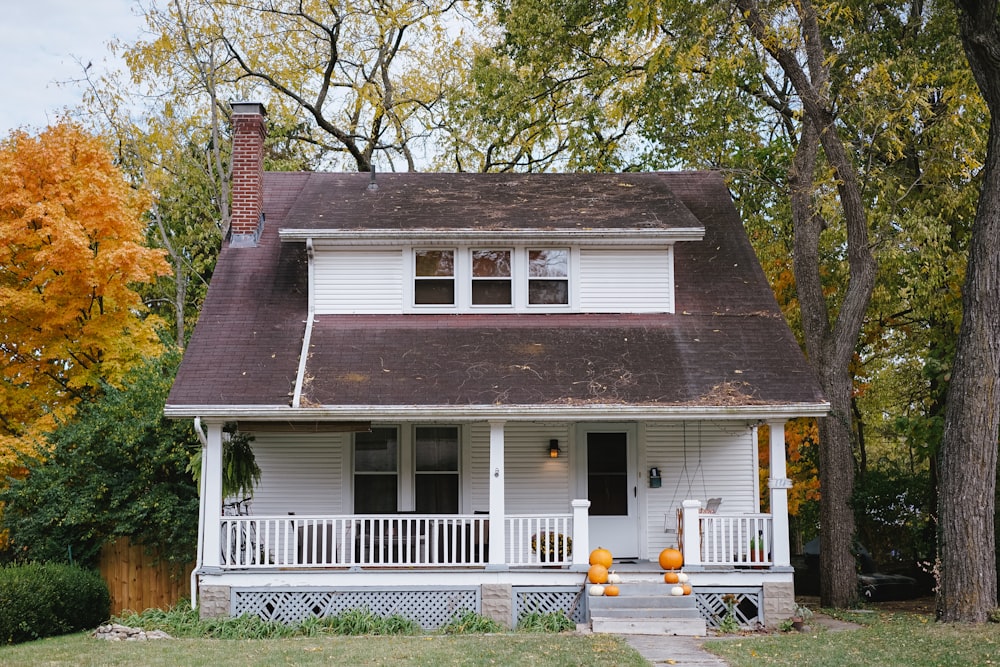
Beige bungalow house

Are you in the market for a new home? Are you looking to snag a great deal? Making a lowball offer on a house can be a strategic move to save money. However, it's important to navigate this process carefully to ensure success. In this article, we'll explore the dos and don'ts of making a lowball offer and provide valuable insights and advice to assist you in making well-informed choices.

Dos of Making a Lowball Offer on a House

When it comes to making a lowball offer, following a strategic set of dos can greatly enhance your chances of securing a favorable deal:

Research the market

Before submitting your offer, it is crucial to invest time and effort in conducting thorough research on the local real estate market. Begin by delving into current property values. Explore recent comparable sales and analyze the factors influencing the seller's willingness to negotiate. By arming yourself with this knowledge, you can make a compelling offer that aligns with the market conditions and strengthens your negotiating position.

Furthermore, when making an offer on a house you would want to move in, it's important to consider the financial aspects of the moving process. Take into account the potential costs and logistics associated with relocating. From hiring professional movers to organizing transportation and packing supplies, these expenses can add up. The experts from Homegrown Moving and Storage advise that this helped their clients to ensure their offers stayed reasonable and feasible within the overall budget.

Have a clear rationale

If you want to strengthen your lowball offer, you should delve into the specific issues or drawbacks associated with the property you are interested in. You can identify areas needing attention or improvement by conducting a thorough inspection or working with a qualified professional. These could range from outdated features that require modernization to structural concerns that demand remediation. Furthermore, consider the property's time on the market as a potential leverage point.

When sellers keep their property on the market for an extended period, their motivation to negotiate and consider lower offers tends to increase. Moreover, take advantage of market conditions that favor buyers, such as a buyer's market with ample inventory and limited demand. Similarly, if the seller is under pressure to sell due to personal circumstances or financial constraints, you may find more room for negotiation.

Be respectful in negotiations

Approaching negotiations with respect and professionalism is crucial as it establishes a foundation of trust and cooperation between both parties. When presenting your lowball offer, ensure that it is thoughtfully structured. Provide a detailed breakdown of the factors influencing your proposed price, including market research, property condition, and any factors that impact house value. Throughout the negotiation process, maintain open lines of communication, fostering a courteous and transparent dialogue that allows for exploring possibilities and potential compromises.

Keep emotions in check

While the home-buying process is undoubtedly an exciting and emotional journey, it's important to maintain objectivity when making a lowball offer. By separating your emotions from the negotiation process, you can approach the situation with a clear and rational mindset, allowing you to make strategic decisions based on facts and market analysis.

Prepare yourself mentally for the possibility of rejection or counteroffers. These are normal parts of the negotiation process. Try not to become overly attached to any specific property. This level-headed approach will enable you to navigate the negotiations effectively and make decisions that align with your goals.

Couple standing by the door of their house

Before making a lowball offer on a house, research the market properly.

Don'ts of Making a Lowball Offer on a House

When it comes to making a lowball offer on a house, there are certain pitfalls to avoid to ensure a successful negotiation process:

Don't disregard property condition

When making a lowball offer, it's crucial to consider the property's current condition. Carefully evaluate any necessary repairs or renovations and adjust your offer accordingly. That ensures that your offer aligns with the property's actual value rather than being solely driven by the desire to save money. Considering the property's condition, you present a well-rounded offer reflecting its true worth. That will enhance the likelihood of a successful negotiation. Striking a balance between addressing necessary repairs and offering a fair market value allows for a more comprehensive and compelling lowball offer.

Don't make an insultingly low offer

We know that buying a new home does not come with small costs. While it may seem tempting to make a very low offer to save some money, it's essential to consider alternative approaches. Making an excessively low offer can undermine negotiations and insult the seller. Instead, focus on finding a way to save money on a long-distance move without jeopardizing the transaction. What is important to do is to strike a balance. While you explore cost-saving measures to make the process affordable, ensure that your offer reflects a reasonable and fair assessment of the property's worth. That will allow a more productive and respectful negotiation process.

Don't forget to back up your offer

Support your proposed price with evidence and a clear explanation of your reasoning. Provide information on recent sales, market trends, or property issues that justify your lower offer. That will demonstrate your seriousness and help the seller understand your position.

Don't burn bridges

Maintaining a positive and professional attitude is vital in any negotiation, including when making an offer on a house. Regardless of the outcome of your initial offer, it is essential to maintain a respectful approach. You can leave a lasting impression by continuing to engage respectfully with the seller or their agent. This way, you demonstrate your professionalism and keep the door open for potential future opportunities. Remember, building positive relationships in the real estate market can pay dividends.

Person holding silver key to a sold house.

Maintaining a respectful approach throughout the negotiation process is essential.


Final Thoughts

Making a lowball offer on a house is an art that requires careful consideration and strategy. By following the dos and don'ts outlined in this article, you can better negotiate and potentially secure a favorable deal. Remember to research the market, have a clear rationale, be respectful, and keep your emotions in check. Avoid insultingly low offers, consider the property's condition, back up your offer with evidence, and maintain positive relationships throughout the process. By applying these principles, you'll increase your chances of success and find a new home that meets your needs while also being mindful of your budget.

Posted in BoydTeam Blog
May 13, 2023

5 Clever Ways to Save for a Down Payment

Houses are incredibly expensive, and prices tend to go upwards. The sticker price of a house is daunting to almost any homebuyer. Luckily, there is no need to pay the entire price up front!


While you likely will not need to save hundreds of thousands of dollars before you buy a home, you will still need to do a fair bit of saving. The typical down payment is 20%, meaning most people need to save tens of thousands of dollars before they can buy a home. This is further complicated by the need to pay closing costs when the sale is finalized, which can be thousands more dollars.


Saving this much money is never easy, but there are strategies you can use to make it much more accessible. This post will highlight our 5 favorite strategies for putting extra money away to save for a down payment.


Free Money Coin photo and picture


1.     Set a Detailed Budget and Follow Through on It


This piece of advice may sound simple, and that is because it is! Setting a budget is a no-brainer when trying to save for a down payment. However, the unfortunate reality is that far too few Americans track their expenses against a detailed budget.

When you set a detailed budget, it is easy to identify areas where you can cut your spending. For example, after a couple of months of tracking expenses, you might see that you spend hundreds more than you thought eating out and grabbing coffee. Once you identify these areas of potential savings, you can easily implement an action plan to reduce your spending.

There are several categories on which people often spend much more money than they think. They include coffee, dining, takeout, gas, subscriptions, and impulse purchases at the grocery store, among other things.


2.     Check Your Credit Card and Bank Statements for Unnecessary Recurring Charges


This is the best way to optimize your spending because it comes at no sacrifice to you. While you probably have subscriptions you want to keep, there are likely ones that you have but don’t have any use for. These subscriptions can cost anywhere from a couple of dollars per month to hundreds of dollars per month. All of these savings go straight to your pocket, and you don’t even miss out on any services that you use!

Another idea is to evaluate what subscriptions you have and determine whether or not you can condense any of them into just one. A great example of this is streaming services, as it has become common to subscribe to all of Netflix, Hulu, Disney Plus, Peacock, HBO, and Apple TV+ all at the same time. These subscriptions can cost you as much as $150 per month, and you probably aren’t using them all to their full potential.

If you fall into this category, you might want to see which services you use the most and cancel the others. Or, if you are interested in particular shows on particular services, it might be best to cancel all subscriptions but one while you watch a given show, and then switch providers once you finish that show.


3.     Download the Acorn App


Sometimes saving money on your own can be challenging. Luckily, there are several tools to help you save even when it can be difficult! The Acorn app automatically rounds up all of your purchases to the nearest dollar to help you save a few cents here and there throughout your daily life.

While this may sound daunting, the app’s functioning is actually very simple. If you spend $5.50 grabbing a coffee, the app automatically rounds your purchase up to $6. This extra 50¢ is a small amount, but it adds up over time. If you struggle with setting extra money aside, the Acorn app might be the perfect option for you.

This app can easily amount to tens or hundreds of extra dollars saved per month. This money is passively saved and can help you to better structure your budget in your day-to-day life.


Free Bank Notes Dollar photo and picture


4.     Open a High-Yield Savings Account


The dawn of technology has brought a new type of bank account: the high-yield savings account. This type of savings account offers interest rates far above traditional savings account interest rates, and they are usually very easy to open.

As brick-and-mortar bank branches have become less common, several banks have doubled down on their digital operations. Since digital operations are much cheaper to run, these banks are able to save much more money. These savings are passed on to account holders in the form of reduced fees and higher interest rates, which means much more money in your pocket as a normal account holder.

One of the biggest issues to address when saving for a down payment is risk. Traditional investment accounts involve a degree of risk, as there is always a chance that they will decrease in value. High-yield savings accounts only ever go up in value, which is a huge advantage when trying to save for a down payment.

These accounts offer much higher interest rates than traditional savings accounts. Opening an account is often free, and this is a very safe way to put money aside before buying a house.  Most high-yield savings accounts are insured by the FDIC for up to $250,000.


5.     Seek Ways to Earn Extra Money


While finding ways to save money that you already have is always a great idea, there are many ways to seek out extra income, too. Extra income is much easier to come by than many people think. Whether it is mowing lawns or teaching a skill, most people are capable of making some extra cash on the side.

Finding ways to make extra income is a great way to save for a down payment. This money usually exists above your normal budget, which means it can all be saved. These extra savings exists outside of your normal monthly obligations, which can greatly impact the money you have to put towards a down payment.


Free Money Cash photo and picture


Thanks for reading our post about ways to save for a down payment. Saving for a down payment can be intimidating, but the steps outlined in this post can help you to get a head start. Tens of thousands of dollars can be difficult to come by, but with enough time, any amount of savings is possible.


If you visit Myrtle Beach or any other place in South Carolina and fall in love, we’re here to help. We at The Boyd Team are committed to helping you find the right property for your needs and dreams. Any question that you have about moving to the area and finding your dream home by the beach is our pleasure to answer. Feel free to send us an email at eddie@boydteam.com or text or call us at (843) 222-8566, and we will get back to you as soon as we can. Being true natives of the Grand Strand and Horry County and with over 25 years of experience in the local real estate market, whether buying or selling, we can help you make your dreams a reality.  


No One Knows The Grand Strand Better! Trust, Knowledge, Experience, and Professionalism You Can Count On!

Posted in BoydTeam Blog
May 6, 2023

How Much of a Down Payment Should You Make on a House?

As we say time and time again, a house is likely the most expensive thing you will ever purchase. Very few things cost hundreds of thousands of dollars! When looking into purchasing a home, figuring out how much to spend on the down payment is often one of the biggest concerns that homebuyers have.

While conventional wisdom might recommend one thing, there are actually pros and cons to putting down much more or much less money, depending on the situation. This post will help you to figure out how much of a down payment you should make on your home.

Note that we are not financial experts, and the points in this post are just general advice. We are not liable for any financial decisions that you make, and we recommend speaking to a certified financial expert before buying a home.


Garlic, Cactus, Window, Green, House


How Much Is the Average Down Payment?

Generally speaking, the average down payment is 20%. This is the amount that the majority of homeowners choose to put down on their house. While your down payment doesn’t need to be exactly 20%, it is definitely the industry standard and is used as the benchmark.

Just because it is the norm doesn’t mean that it is the only option! There are many loan options that allow for down payments that are significantly less or more than 20%.


Reasons to Put Down 20% on a House

One of the main reasons to put 20% down on a house is to avoid private mortgage insurance. In most cases, if you put less than 20% down on a home, you will need to pay private mortgage insurance each month in addition to your monthly payment. This can cost anywhere from fifty to several hundred dollars each month, and continues until you reach 20% equity in your house.

Another reason to put down 20% is to get the best interest rate possible. Many mortgage lenders provide favorable interest rates to buyers who can put down a full 20%. The best possible rate is usually offered to buyers who put down 20% or more, which can mean a difference of tens of thousands of dollars by the time the loan is paid off.


Down Payments Smaller than 20%

Not everyone has access to the cash required to make a 20% down payment. After all, houses are very expensive, and getting your hands on $50,000 to $100,000 of cash can be very difficult! Mortgage lenders understand this, and there are many pathways to put down less than 20%.


Can You Put Down Less than 20% on a House?

In almost all cases, you can absolutely put down less than 20% on a house. 10% and 15% down payments are very common, and certain types of loans allow for down payments as low as 3.5%.

While lower down payment are possible, they may not be available to everyone. When you put less money down on a house, the eligibility criteria tend to be stricter. If you have a good credit history and a relatively low debt to income ratio, you may be able to find a lender willing to let you make a small down payment.


Reasons to Put Down Less than 20% on a House

The main reason to put down less than 20% on a house is because you don’t have 20%! Stretching your budget too far is never a good idea, and even if you have access to the full 20%, it might be wise to keep some of that in your savings. Many buyers underestimate closing costs, and spreading your finances too thin can cause major problems down the line.

Another popular reason to put down less than 10% is if you don’t see yourself living in the home for the long term. Making a larger down payment cuts down the total amount of interest you’d pay over the course of the loan, but this is less impactful if you only plan to live in the home a few years. If you plan on moving out after a few years, it might be wise to consider putting just 10% down and using the savings to offset the higher monthly payment you’ll be left with.


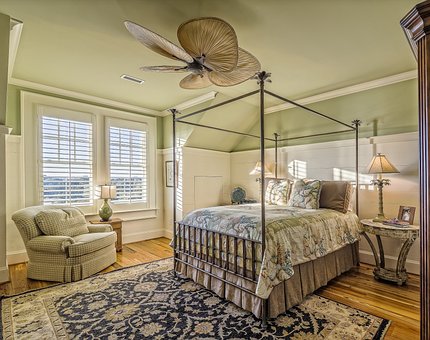
Bedroom, Interior Design, House, Home

Down Payments Larger than 20%

While most buyers are happy to put down 20% or less, some buyers with excess cash consider putting down more. This is much less common than putting down 20% or less, but it does happen and can lead to several potential benefits.


Can You Put Down More than 20% on a House?

You can absolutely put down more than 20% on a house. After all, you are buying the house! Just like you can add extra to your monthly payment, you can add extra to your down payment.

There is theoretically no limit to how much of a down payment you can make. Some buyers even buy their houses in cash, which is essentially a 100% down payment. Whatever you choose to do, it is just important that you do not stretch yourself too far financially.


Reasons to Put Down More than 20% on a House

There are two major reasons to put down more than 20% on a house. The first of these is to access lower monthly payments.

Your monthly payment is calculated based on how much of a loan you need, not how much the house costs. By putting more money down on the house, you reduce the total amount of money you need as a loan. Naturally, this decreases your monthly payment.

Your payment can decrease by the tens, hundreds, or even thousands depending on the house price and down payment amount. These savings can make your monthly payment much more affordable, which is especially favorable in the long run.

The second reason to put down more than 20% on a house is to reduce the total amount of interest paid throughout the life of the loan. While your interest rate probably won’t get much better than if you only put down 20%, the total interest paid on the loan will decrease. By putting more money down and reducing the size of the loan, you can save tens of thousands of dollars of interest throughout the course of the loan.


San Francisco, California, Houses


So, What Is the Best Amount to Put Down on a House?

The best amount to put down on a house depends entirely on the situation. For some people, the best option is to buy a house in cash, essentially utilizing a 100% down payment. For others, putting down just 5% might be the best option.

Generally speaking, the best idea is to speak to a financial professional who can assess your individual situation and help you to make the most informed decision possible with regards to your own situation. While the industry standard is 20%, there are countless reasons that putting more or less down can be wise, and the right answer varies for everyone.


If you visit Myrtle Beach or any other place in South Carolina and fall in love, we’re here to help. We at The Boyd Team are committed to helping you find the right property for your needs and dreams. Any question that you have about moving to the area and finding your dream home by the beach is our pleasure to answer. Feel free to send us an email at eddie@boydteam.com or text or call us at (843) 222-8566, and we will get back to you as soon as we can. Being true natives of the Grand Strand and Horry County and with over 25 years of experience in the local real estate market, whether buying or selling, we can help you make your dreams a reality.  


No One Knows The Grand Strand Better! Trust, Knowledge, Experience, and Professionalism You Can Count On!


Posted in BoydTeam Blog
May 2, 2023

Unexpected Expenses to Consider When Buying a Waterfront Home

 Panoramic photo of buildings near the river.

When contemplating buying a waterfront home, it's crucial to be mindful of the unanticipated expenses accompanying owning a property near the water. Although the picturesque views and serene ambiance may be alluring, weighing the pros and cons before making a significant investment is essential. One of the crucial considerations is the unexpected expenses associated with owning a waterfront property. In this article, we will delve into the various unexpected expenses to consider when purchasing a waterfront home so that you can make an informed decision and fully enjoy the benefits of waterfront living without any unwelcome surprises.

When you are well-informed, surprises will rarely happen to you

When purchasing a waterfront home, it's vital to acknowledge and understand the unanticipated expenses that accompany owning a property near the water. The attractiveness of waterfront living can be alluring, but it's critical to pay attention to the potential costs: flood insurance, regular maintenance, elevated energy bills, boat maintenance, and docking fees. Also, homeowner association (HOA) fees and property taxes are unexpected expenses. They can catch you off guard, so you need to be adequately informed. Being aware of these expenses when buying a waterfront home is crucial. Avoid surprises and make an informed decision and consider all factors. By doing so, you can enjoy your waterfront home to the fullest without financial stress.

Couple sitting on the bench discussing buying a waterfront home

Recognizing the unexpected costs of owning a waterfront home is crucial.

The Perils of Waterfront Living: Understanding Flood Risks

Living near the water can be an idyllic experience, but it also comes with certain risks. Flooding is one of the most significant. Waterfront homes are highly susceptible to flooding due to their proximity to the water, which can result in devastating consequences. Floods can cause significant structural damage to your property. That can lead to costly repairs and even render the home uninhabitable. It can also risk your and your family’s safety and affect your personal belongings, causing emotional distress.

How to manage flood risks?

Thankfully, you can take steps to prevent flooding and minimize the risks. One of the best things you can do is to invest in flood insurance. Flood insurance can cover the cost of repairing any flood damage to your home, providing financial security in the event of flooding. Additionally, regular maintenance, such as clearing gutters and drains, can prevent water buildup and reduce the risk of flooding. Consider elevating your home or installing flood-resistant materials and devices like foundation vents. These preventive measures can help safeguard your home against flooding, providing peace of mind and minimizing the risk of potential consequences.

Maintenance tasks related to waterfront homes

Waterfront homes are exposed to saltwater, moisture, and other environmental factors that can cause significant damage if improperly maintained. Here are some essential maintenance tasks to keep in mind when owning a waterfront property:

       Regular cleaning of gutters, downspouts, and drains

       Cleaning and maintenance of decks, railings, and other wooden structures

       Routine cleaning and maintenance of windows, doors, and other exterior components

       Inspection and repair of roofs, chimneys, and other vulnerable areas

       Inspection and maintenance of the HVAC system

Photo of a house near the beach at sunset.

Being informed before buying a waterfront house prevents unpleasant cost surprises.

Saltwater can cause significant damage to waterfront homes, leading to rust and corrosion. Saltwater also promotes the growth of algae and other organisms, leading to unsightly stains and unpleasant odors. As a result, it's crucial to invest in high-quality materials and perform regular maintenance to minimize the effects of saltwater exposure.

In summary, owning a waterfront property requires regular maintenance to protect against saltwater exposure and moisture. By performing these essential maintenance tasks, you can prolong the life of your waterfront home and prevent costly repairs down the line.

What you need to know about waterfront property taxes

When buying a waterfront property, understanding how the location can affect property taxes is essential. Waterfront homes are often located in high-end neighborhoods, meaning the property taxes can be significantly higher than homes in other areas. High property taxes can add up quickly and become a potential cost when buying a waterfront home. When you're considering financing your new house on the water, also think about your relocation expenses. According to experts, planning your moving budget is also an essential factor to include in your calculations.

Photo of paper dollar money with taxes sign.

Buying a waterfront home can cost more due to the high property taxes of a sophisticated location.

The amount of property taxes you'll pay on your waterfront property will depend on various factors, including the home's size and location, the property's value, and local tax rates. Additionally, waterfront properties often require additional maintenance and upkeep due to their exposure to the elements, which can also impact property taxes.

High property taxes can be a significant financial burden for homeowners, so it's important to consider these potential costs when considering a waterfront property purchase. Doing so lets you make an informed decision and ensure you’re prepared for all the costs of owning a waterfront home.

All you need to consider when buying a waterfront home

Buying a waterfront home is a dream for many, but knowing the unexpected expenses of owning a waterfront property is crucial. Some costs include flood insurance, regular maintenance, increased energy bills, boat maintenance, and docking fees. Flood insurance is a must-have to protect your investment. Living near water can put your home at a higher risk of flooding. Regular maintenance is also essential to prevent water damage and erosion. But other environmental factors can also cause significant damage to your home. With so much exposure to the elements, you'll also need to factor in increased energy bills for heating and cooling your home. Finally, if you plan to own a boat, you'll need to consider the cost of maintenance and docking fees.

Budgeting accordingly before purchasing is crucial to avoid financial strain and unexpected costs. When buying a waterfront home, it's important to factor in these additional expenses. Create a budget that accounts for all associated costs.

Posted in BoydTeam Blog
April 29, 2023

Everything to Know about Homeowners Insurance When Buying a Home

Home insurance is required in order to buy a house. Just like you need car insurance before you can drive a car, you need home insurance before you can live in a house. While there are hundreds of companies and agencies that offer home insurance, knowing where to look can save you hundreds to thousands of dollars per year.


Why Do You Need Homeowners Insurance?


While it may seem like a burden, insurance is actually a good thing. Most people hate that they have to pay extra money each month on top of their mortgage. However, many people don’t realize how much of a benefit homeowners insurance really is!

Homeowners insurance is mandatory in most situations, and for good reason. The point of insurance is to protect you from major losses and catastrophes. While paying $50 or so per month might feel like a lot of money, it feels much more manageable when you submit a claim for $20,000 of damages caused by a hurricane!

Your house is usually the most valuable thing that you own. Naturally, you should want to protect it. A good homeowners insurance policy is the best way to make sure that your home is truly protected against accidents and incidents that can otherwise cost you thousands of dollars.

There is no state that legally mandates that you have homeowners insurance, but pretty much every mortgage lender requires it before they hand over the keys to your home. If you are able to buy your home in cash, you might be able to get away with not buying homeowners insurance, even if that is a bad idea. However, if you need a mortgage, you probably need homeowners insurance, too.


House, Architecture, Front Yard, Garage

What Does Homeowners Insurance Cover?

Homeowners insurance typically covers accidental damages to your home. This can be from weather, vandalism, accidents, and more. A typical homeowners insurance policy covers damages from theft or vandalism, fire and smoke, theft or vandalism, extreme weather events (like lightning, blizzards, wind and hail), and incidental damages like cars or trees crashing into your home.

Your homeowners insurance covers most of the important parts of your home. Generally, you can expect your policy to cover your heating and cooling systems, kitchen and laundry room appliances, furniture, and clothing and other possessions. Other structures on your property, like sheds, decks, fences, and grills is also usually included. This does vary by policy, though, and is something that you should double-check on your policy documents or insurance quote.

How Much Does Homeowners Insurance Cost?


Homeowners Insurance costs vary greatly based on many factors. The age and size of your home, its value, its geographic location, and its construction materials all factor largely into your insurance price. Insurance prices are called premiums, and the average homeowners insurance premium in the United States is somewhere between $1,000 and $2,000 per year.

Naturally, if you have a more expensive home, live in a state that is more prone to natural disasters, or own a home that is a hundred years old, your insurance will likely cost more. New homes tend to cost less to insure, as there is less of a chance that they will need major repairs or have major accidents.


Which Company Is Best for Homeowners Insurance?


There are hundreds of insurance companies and insurance agencies that sell homeowners insurance, and it is natural to wonder which one is the best. While you might hear great stories from friend and family about one company or another, the truth is that most insurance companies are actually the same.

Insurance is a pretty standard product, much like orange juice. It is hard for one insurance company to be better than another. In reality, you should just choose the company that offers you the cheapest price, as long as the coverage options are all the same.

For example, you may get a quote from one company that offer $300,000 of coverage and a quote from another company that only offers $200,000 of coverage. If your house is worth $300,000, you obviously don’t want to pick the quote that underinsures your house!

However, if both quotes offer identical coverages, and one is cheaper than the other, it is almost always a good idea to go with the cheaper quote – even if you don’t recognize the company’s name.


Home, Interiors, Kitchen


How Long Does Homeowners Insurance Last?


Homeowners insurance policies almost always last one year. The regulations may vary by state, but the vast majority of home insurance policies are for 12 months.

This is different from car insurance, which generally lasts 6 months. Still, it is almost always a good idea to get your car insurance and homeowners insurance through the same company, as bundling home and auto policies tends to save hundreds of dollars per year!


Can You Wait Until After Closing to Get Homeowners Insurance?


If you are getting a mortgage, you almost always need homeowners insurance before closing. Almost every mortgage lender requires a homeowners insurance policy document before they will hand over the keys to your home. If you don’t have proof of homeowners insurance, they likely will not fund the purchase of your home. Typically, your loan advisor will let you know when you should start shopping for homeowners insurance.


Thanks for reading our post all about homeowners insurance. While homeowners insurance costs some extra cash each month, it has the potential to protect you from hundreds of thousands of dollars of losses. If you don’t have homeowners insurance and your house burns down, you literally lose everything. If you have homeowners insurance, you are usually protected from extreme losses like this. $50-100 per month might seem steep, but it feels like nothing once you file your first claim.


If you visit Myrtle Beach or any other place in South Carolina and fall in love, we’re here to help. We at The Boyd Team are committed to helping you find the right property for your needs and dreams. Any question that you have about moving to the area and finding your dream home by the beach is our pleasure to answer. Feel free to send us an email at eddie@boydteam.com or text or call us at (843) 222-8566, and we will get back to you as soon as we can. Being true natives of the Grand Strand and Horry County and with over 25 years of experience in the local real estate market, whether buying or selling, we can help you make your dreams a reality.  


No One Knows The Grand Strand Better! Trust, Knowledge, Experience, and Professionalism You Can Count On!


Posted in BoydTeam Blog
April 22, 2023

Should You Buy a House with Mice Infestations? [Both Past and Present]

 Mice are pesky little critters. They eat through the walls, burrow through ceilings, and leave droppings everywhere they go. Mice multiply rapidly, and seeing one mouse scurrying around likely means that there are more in the cracks waiting to sneak out for a bite to eat.

As a prospective homebuyer, this can be alarming. If you see signs that mice are present in the home, you may be inclined to turn and run. This post will break down everything to know about mice in a home, including whether or not you should still consider buying it or you should look elsewhere.


trees beside white house


Signs that a House Has a Mouse Problem

Mice do not like to be seen. They tend to hide throughout the day and do most of their scavenging at night. Because of this, you probably won’t actually see a mouse while you tour a house that you are considering buying!


The Presence of Mouse Droppings

While the mice will hide, there are two main signs that might alert you that there are little critters living in the home. The first of these is the presence of mouse droppings, which look like little brown grains of rice.

Mouse droppings can be anywhere, but they tend to be the most visible against light backgrounds. Often, the best places to see mouse droppings are bed sheets, trash cans, countertops, and dressers.

Seeing mouse droppings doesn’t guarantee that the house currently has a mouse problem. Mouse dropping sometimes don’t decompose and can stay in place for years. However, seeing these little droppings is a sure sign that there have been mice in the house at some point.


The Sound of Scurrying

The other telltale sign of mice is the sound of scurrying, either in the walls or in the ceiling. Mice burrow frequently, and they tend to run around their nests throughout the day. While they may not show their faces during the daytime, they know that they’re generally safe inside the walls!

When mice scurry in the walls, the sound is pretty unmistakable. This is because there are very few other sounds that can come from inside the walls or ceiling! If you hear this sound, you know that there are currently mice living in the home.


Do Mice Destroy a Home?

Mice burrow through walls, siding, ceilings, and more. Naturally, this burrowing leaves a bit of damage. While holes in the wall are annoying, they are usually out of sight and hidden in dark, obscure corners.

The greater threat that mice pose is that they might bite through wires. If mice burrow near any wires and accidentally bite through one, they can cause much deeper problems.

An electrician would need to figure out exactly which wires were ruined, then locate where the damage is. This can be very difficult to do, as wires are usually tucked behind walls. As a result, you can expect to pay a pretty penny if a mouse chews through your wires.

Other than these two issues, mice don’t cause much damage to a home. They are pesky, and damage is damage, but they aren’t going to cause your house to crumble over or your foundation to split in two.


a rat sitting on a piece of wood


Are Mice Dangerous?

Mice are very timid creatures, and they aren’t likely to ever be aggressive toward humans. However, their meek nature doesn’t mean that they are completely harmless. Mice are known for carrying an array of diseases, many of which are dangerous for adults and extremely dangerous for children.

These diseases are spread in many different ways, but there are two ways that pose the most risk: urine and feces. When mice urinate, they tend to spray in a few different directions. When they leave droppings, they leave a lot of them.

All of this excrement may carry diseases make humans very sick. For this reason, cleaning frequently while dealing with a mouse problem is essential.


How to Get Rid of Mice

There are several proven ways to get rid of mice, but the best approach is normally to work with a professional. This is because you might be able to get rid of existing mice on your own, but you likely can’t prevent future mice from coming without the help of a professional.

Mice are able to fit through cracks that are only a quarter-inch wide. This is essentially the width of a pencil. A professional exterminator can find and plug all of these gaps, sealing the entire house off from future mice problems.

Once a professional seals the exterior of the house, there are several kinds of traps you can lay indoors to end your mouse problem once and for all.


Catch and Release Traps

These traps are the most humane option, and are very commonly used. Essentially, these traps function like cages that trap the mice and enable you to release them alive somewhere in the distance. They are just as effective as other kinds of traps, pose no threat to humans, and save the lives of the mice. If you opt to use these traps, be sure to release the mice into a field that is miles away from the nearest house, otherwise you will just be spreading your mouse problem to someone else’s property.


Snap Traps

Of the traps that kill, many experts claim that snap traps are the most humane. These are the old-school mouse traps that can be seen in Tom and Jerry and other popular cartoons. They function by luring a mouse onto the platform and then snapping rapidly on top of the mouse, which usually kills it almost instantly.

The fact that the mouse tends to die pretty immediately is what makes them the most humane type of lethal trap. Other traps either make the mouse starve or make it very sick. The drawback to these traps is that they pose a threat to humans, as the trap can easily break a toe or finger if accidentally triggered. This is especially dangerous for small children.


Mouse Trap, Cheese, Device, Trap, Mouse


Sticky Traps

Sticky traps, or glue traps, are the least humane type of mouse trap on the market. While that is true, they do tend to be the most effective. Glue traps are extremely sticky, and they grab a mouse’s feet and lever let go. This keeps the mouse locked in place unable to get back to its nest. Typically, the mouse will be stuck on this trap until it dies, unless a homeowner finds it and gives it a more humane death.

These are extremely inhumane, and they are also dangerous for humans. If they are strong enough to keep a mouse in place, they are strong enough to seriously stick to your hands and feet, too.


Poison

One of the most effective ways to take care of mice is by using poison traps. These traps welcome mice in and feed them poisoned food that eventually kills them minutes or hours later. These traps are effective because they can handle multiple mice, while most other traps can only trap or kill one. While poison isn’t very humane, it is definitely better than the glue traps! The biggest downside to this kind of trap is that is causes the mice to die minutes later, wherever they are. This can lead to dead mice within your walls, or worse, dead mice scattered randomly on your floor.


Should I Buy a House if it Has Mice?

Mice are one of the most common pests in a home. In fact, the majority of homes will have mice by some point after enough time goes by! Mice are experts at burrowing, and they tend to find a way inside after enough years go by.

If the house you are looking at buying has mice, you shouldn’t immediately walk away. There is a good chance that many of the other homes you are considering either have mice or have had them in the past, too. If anything, knowing about the mouse problem is just important to help you make an action plan and negotiate accordingly.


Cute, Rodent, Mouse, Small, Animal


Thanks for reading our post on whether or not you should buy a house with a mouse problem. Despite what you may have believed, mice really don’t need to be a dealbreaker in the homebuying process. As long as you are willing to take a few steps to irradicate them from the home, they shouldn’t be too much of an issue. Dealing with mice can sometimes require some lifestyle changes, but ultimately mice should not be the one thing standing between you and your dream house.


If you visit Myrtle Beach or any other place in South Carolina and fall in love, we’re here to help. We at The Boyd Team are committed to helping you find the right property for your needs and dreams. Any question that you have about moving to the area and finding your dream home by the beach is our pleasure to answer. Feel free to send us an email at eddie@boydteam.com or text or call us at (843) 222-8566, and we will get back to you as soon as we can. Being true natives of the Grand Strand and Horry County and with over 25 years of experience in the local real estate market, whether buying or selling, we can help you make your dreams a reality.  


No One Knows The Grand Strand Better! Trust, Knowledge, Experience, and Professionalism You Can Count On!


Posted in BoydTeam Blog
April 20, 2023

How to Find the Perfect Neighborhood in Myrtle Beach

View of A Myrtle Beach neighborhood

The choice of where you want to live is not a simple one, especially in areas like Myrtle Beach, where every neighborhood seems appealing. So, we’ve put together a guide on how to find the perfect neighborhood in Myrtle Beach for yourself or your family!

Prince Creek

If you value your privacy first and foremost when trying to find your ideal home, then Prince Creek is one of your best choices in Myrtle Beach! This wonderfully planned community in Murrells Inlet features many homes that are nicely squirreled away in their own lots. You will not need to worry about the hustle and bustle of major cities or any annoying noisy neighbors. Tranquility is not. However, the only thing this neighborhood has to offer. It is also a stone’s throw away from pretty much all the amenities Myrtle Beach offers. Be it beaches, restaurants, or shopping options, you’ll still be able to access all the conveniences you are used to easily.

Market Common

Market Common is one of the most desirable neighborhoods to live in Myrtle Beach. And for a good reason, because Market Common has it all! Some of the best shops, parks, restaurants, and entertainment opportunities that Myrtle Beach offers can be found here. And that’s without even mentioning all the amenities! Even if you are making a long-distance move, such as moving from Florida to South Carolina and hiring interstate movers for a simple transfer with Florida experts, you’ll be able to arrange to have your home cleaned and prepped for your arrival easily. However, this isn’t to say that Market Common is prohibitively expensive. Due to the range of different properties on offer here, everyone can find one that suits their budget!

Emmens Preserve

When talking about trying to find the perfect neighborhood in Myrtle Beach, we can’t forget to mention Emmens Preserve! Emmens Preserve is located very close to Market Common, but it is quite a bit quieter and calmer. This means you will be able to enjoy all the benefits and conveniences of the former without dealing with the increased noise and crowd levels. This neighborhood, too, has a very nice range of houses. Some of these are pretty cheap but still have quality construction, and some of them are more expensive with top-of-the-line amenities. If you fancy having your own pool to relax in rather than hitting the beach, consider Emmens Preserve.

Grande Dunes

Of course, if luxury is your goal when trying to find the perfect neighborhood in Myrtle Beach, then fewer options are as appealing as Grande Dunes. This is often considered the ‘premier luxury neighborhood’ of Myrtle Beach. And the amenities on offer in every home really do reflect this! The architecture of the houses, the easy beach access, the beauty of the marina, and the expansive golf courses all come together to paint the picture of a high-quality lifestyle. This does, however, mean that the properties here are more expensive than in most of our other entries. So, definitely look into financing options for your home purchase before committing to a home here.

The beautiful view you can enjoy once you find the perfect neighborhood in Myrtle Beach.

In Myrtle Beach, every day will feel like a vacation!
 

Barefoot Resort

Another ‘luxury’ option for those looking to find the perfect neighborhood in Myrtle Beach is Barefoot Resort. What’s unique about this option, however, is that, as its name implies, Barefoot Resort is a massive resort spanning two thousand and three hundred acres of land in Myrtle Beach. There are fourteen unique communities to pick from here! And each and every one has very high-quality standards for their amenities and services on offer. You’ll never have to venture out of Barefoot Resort to do any of your shopping or find better entertainment opportunities. Bike trails, walking paths, pools, and, of course, the marina offer many chances to relax or work out in peace and style too.

Pawleys Island

Pawleys Island is one of the most unique neighborhoods in Myrtle Beach. And it’s also the most southern ‘tip’ of the Grand Strand. It also has only two bridges for entry onto the beach and island portions of the area. So, it is incredibly safe and feels secluded. Even if it is full of all the modern conveniences that Myrtle Beach is so well known for! The area is another example of quiet, dreamy Myrtle Beach neighborhoods, and you’ll not regret buying a home here. And as the moving experts from promoversmiami.com, who’ve assisted with moves here plenty of times, point out, the neighborhood is also filled with services that make moving in much more convenient!

Calm beach

 You’ll be able to enjoy your beach time peacefully on Pawleys Island.

Carolina Forest

If you are looking for an affordable master-planned community to raise your family, you can’t do much better than Carolina Forest. This neighborhood is home to some of the best schools, not just in Myrtle Beach or the wider area but in the entire state, including Coastal Carolina University. The neighborhood is by no means lacking in other areas, either! It is chock full of restaurants, cafes, fun places to visit, and even some more ‘important’ amenities such as banks and medical facilities. Of course, it is also one of the safest places to live, with an extremely low crime rate. Home prices here are not too high, either, so you’ll have no issues trying to save for a down payment.

Surfside Beach

The final entry on our guide to finding the perfect neighborhood in Myrtle Beach is Surfside Beach. True to its name, all the homes here are built on a stretch of beach, so every property has a beautiful view and easy access to water. Of course, this does mean you’ll need to commit to a beachfront property if you want to live here. And this is not an ideal choice for everybody! Still, the hassle is worth it just for the beautiful view that will greet you every morning. And, of course, Myrtle Beach never disappoints with its amenities, no matter what neighborhood you pick!

A Myrtle Beach view.

All neighborhoods in Myrtle Beach are very tidy and well-organized.

Find the perfect neighborhood in Myrtle Beach easily

With our guide on how to find the perfect neighborhood in Myrtle Beach, you’ll be able to find your ideal home location in no time! Still, while every location we’ve listed has its own charms, overall, no neighborhood in this area is lacking. Every one of them is thoroughly equipped with conveniences and amenities. So, it’s unlikely you’ll regret whatever choice you make! For personalized assistance, connect with a experienced Myrtle Beach real estate agent who can help you navigate the local market.

Posted in BoydTeam Blog
April 15, 2023

How to Calculate Property Taxes: Tax Rates & Millage

There are a lot of pieces of the home-buying puzzle. One of the most complex pieces is always financing. Figuring out the numbers and how much the house will cost you is one of the more stressful, intricate parts of the home-buying process, and one of the biggest question marks to figure out is how much you will pay in property taxes. This post will break down how to calculate property taxes, what they are, and why they are important.


Are Property Taxes Included in the Mortgage Payment?

The monthly mortgage payment is likely one of the biggest pieces of anyone's budget. Usually costing thousands of dollars per month, a mortgage payment is no joke. What many prospective homebuyers fail to realize is that their quoted monthly payment may not encompass everything.

When you use an online mortgage payment calculator, you need to be very careful. Some calculators show taxes and fees while others do not. Some allow you to toggle taxes and fees on and off. If you want to get an estimate of how much your monthly payment will be, it is crucial that you show taxes and fees.

Property taxes are included in your monthly payment, as they are paid to your mortgage lender. However, they are not implicitly a part of your mortgage. If you have a $3,000 monthly payment, for example, there is a chance that $2,000 is going toward your mortgage while the other $1,000 is going toward your property taxes.

When you get a final cost sheet from your mortgage lender, it should show your all-encompassing monthly payment. This should include mortgage, property taxes, HOA fees, and any other recurring fees. When you look at this breakdown, you will likely see that the mortgage component is about two-thirds of your monthly payment.


white Canon cash register

What Are Property Taxes?

Property taxes are taxes levied by local governments against homes and other large properties. These taxes are one of the biggest sources of revenue for local governments. They are assessed by various authorities depending on where the house is located, potentially including the state, county, township, and school district. Generally, property taxes are unavoidable as a property owner, as payment is mandated by state law.


How Do You Pay Property Taxes?

Property Taxes are built into your monthly mortgage payment. Typically, your mortgage lender will collect the property taxes from you and place the funds in Escrow until they are to be used to pay the taxes. This takes most of the burden off of the homeowner, as the tax collector will simply deal with the mortgage lender.

What Is Property Tax Revenue Used for?

Property taxes are one of the biggest sources of revenue for local governments. They help to fund local schools, support local services in the community, and pay local authorities. While nobody likes to pay taxes, there is no doubt that property taxes are necessary for the continuation of public services and public schools in any given area in the United States.

From local school districts to the local fire department, property taxes are one of the most important things driving any community forward. With that being said, they can be very expensive, and it is important to understand how much the real property tax rates are in an area before you buy a home.


three parked yellow busses


How to Calculate Property Taxes on a House

Property taxes are pretty simple to calculate once you understand the concepts of millage and property assessment. These are the two pieces that play into the property tax rate calculation.

What Is Millage?

Millage is basically a way to express the tax rate per thousand dollars of personal property value. The millage rate is how many dollars you can expect to pay in property taxes for every thousand dollars of appraised value. Essentially, if the mill rate is 24, you can expect to pay $24 for every thousand dollars that your home is worth, or about 2.4%.

The total tax rate is the combination of the millage rates of each level of property tax assessors. The county, township, and school district may each have their own millage rate, which will come together to form your total millage rate in a given tax year.

What Is a Property's Assessed Value?

A property's assessed value is how much the local tax authorities think it is worth. This is usually a close estimation of the house's market value, but it is not always the same. Real estate taxes are formed out of the property tax assessment, which comes straight from the assessed value of your property. The local Department of Revenue is responsible for determining your home's assessed value, and it may differ from the actual value of your house.

Calculating Your Property Tax Rate

Once you know your local millage rate and your home's assessed value, determining your actual property tax amount is pretty simple. Generally, all you need to do is multiply the millage rate by your home's assessed value and divide by 1,000. This should provide you with the annual amount of property taxes that you will be responsible for paying, and it can then be divided by 12 to find the monthly tax rate.

With all of that being said, it is best to work with your mortgage lender to truly understand how much property tax you will be expected to pay. Using historical millage rate data is a good way to estimate how much you will pay, but your mortgage lender is likely to have a better idea of what to expect. They should also be more knowledgeable about various property tax exemptions that may apply to you, which can drastically alter your millage rate or the taxable value of your property.


person using black computer keyboard


What Happens if You Don't Pay Property Taxes?

Unpaid taxes are never a good thing. Firstly, property taxes are very important for funding public utilities, and avoiding them is detrimental to your community. Secondly, delinquent property taxes against residential property and commercial property can cause the county government to enact a lien against the property, which can ultimately cause the owner to lose it if the taxes go unpaid for too long.


Do Property Tax Rates Change?

Property tax rates are always subject to change, but the changes are usually very gradual. Tax revenues are considered by a county assessor, who helps to determine whether or not the current tax rate is sufficient. If local taxes from the current year seem to be paying all of the bills, then the tax rate might not go up. If the community is short on funds, you might expect the property tax rate to inch upwards over time. In either case, tax rates do not tend to make big jumps from year to year and tend to be pretty smooth in their movements.


Thanks for reading our post on how to calculate property taxes! The process really is simple once you know what you're doing, and getting a rough understanding of how much you will pay is always a good idea. Again, it is best to ask your mortgage lender for a more accurate depiction of how much you will be expected to pay in property taxes each month.


If you visit Myrtle Beach or any other place in South Carolina and fall in love, we’re here to help. We at The Boyd Team are committed to helping you find the right property for your needs and dreams. Any question that you have about moving to the area and finding your dream home by the beach is our pleasure to answer. Feel free to send us an email at eddie@boydteam.com or text or call us at (843) 222-8566, and we will get back to you as soon as we can. Being true natives of the Grand Strand and Horry County and with over 25 years of experience in the local real estate market, whether buying or selling, we can help you make your dreams a reality.  

No One Knows The Grand Strand Better! Trust, Knowledge, Experience, and Professionalism You Can Count On!

Posted in BoydTeam Blog
April 8, 2023

FHA vs Conventional Mortgage Loans: Key Differences

If you are a homeowner, your mortgage is likely the biggest piece of your monthly spending. This means that as a prospective home buyer, it is absolutely crucial that you do your due diligence and pick the right mortgage for you. Monthly payments on your mortgage may be up to 40% of your total income each month! Understanding the main differences between the two main types of loans - conventional loans and FHA loans - is actually pretty easy, and this post will explain everything you need to know.


What Is a Conventional Mortgage Loan?

A conventional loan is what most people think of when they imagine a mortgage. Conventional loans are provided by banks and other large mortgage lenders. The life of the loan may vary, but it is usually 30 years.

Conventional loans are typically the better option if you have a higher credit score, a lower debt-to-income ratio, and are generally in a better financial situation. The terms on a conventional loan are typically more favorable than the terms on an FHA loan, largely due to the stricter requirements you need to meet to even get approved. Private lenders assume all of the risk when they write a conventional mortgage, which is a large reason that their credit score requirements are much tighter.

If you are unsure whether or not you'd qualify for a conventional mortgage, the best thing to do is talk to your loan officer. The process can be especially complicated for first-time home buyers, and mortgage loan officers can help you figure out things like the best down payment amount, understand conventional mortgage rates, and more.


trees beside white house


What Is an FHA Loan?

An FHA home loan is another type of mortgage. FHA loans are often great options for first-time homebuyers due to their low minimum credit score requirement and the possibility for very low down payments. Each FHA mortgage loan is backed by the Federal Housing Administration, which makes FHA-approved lenders much more willing to take on otherwise unfavorable risks.

FHA lenders are often the same banks are conventional lenders. In fact, when applying for a mortgage, it is not uncommon to be offered both options. Generally speaking, if you have enough cash to meet the down payment requirement on a conventional home loan, it is probably the best fit.

One very unique thing about FHA loans is the FHA mortgage insurance requirement. As FHA loans are usually designed for individuals with lower credit scores and down payments, they are naturally riskier. For this reason, FHA borrowers are required to pay private mortgage insurance both up front and each year. The upfront mortgage insurance premium is a small price to pay for the lower credit score and down payment requirements, but it is still a decent chunk of change.


Key Differences Between Conventional Mortgages and FHA Mortgages

Not all mortgages are created equally. Each type of loan is unique from one another, and there are more than just these two types! VA loans and USDA loans are the two other main types of mortgages, but they aren't nearly as common as conventional and FHA mortgages.

Primary Residence Requirement

The first key difference between conventional home loans and FHA home loans is the primary residency requirement. If you are looking to buy a second home, you probably won't be able to do it via an FHA loan. FHA loans are only issued for primary residences, so unless you plan on making the second home your primary residence, you will likely need to opt for a conventional mortgage.

Looser Financial Requirements and Lower Interest Rates

As we have mentioned, FHA loans are backed by a government agency. This guarantee helps lenders to write riskier business all while offering lower interest rates. While the interest rate may be lower, the monthly mortgage payment may still be higher because of mortgage insurance premiums.

Conventional loans are not backed by a federal agency, so banks fully assume all the risk when they write the loan. For this reason, they require a very good credit history, higher interest rates, and a minimum down payment. While these requirements are often steep, they do provide flexibility. Conventional loan limits are generally much higher than a typical FHA loan limit, they can be used for investment properties, and they may not require any kind of annual mortgage insurance premium.

Private Mortgage Insurance Requirements

FHA loans notoriously require a lot of private mortgage insurance (PMI) because of their favorable rates. This insurance is assessed both as an upfront premium at closing and a monthly premium throughout the loan. This PMI can be very costly over time, and it can even result in higher monthly payments than a conventional loan, despite the lower rate.

Conventional loans are much more straightforward when it comes to mortgage insurance. Generally, a buyer will need to pay PMI until they have 20% equity in the home. This means that if you are able to put 20% down on the house, you will never have to pay PMI. Similarly, if you can only afford to put 15% down on the house, you will be done paying PMI within a couple of years as soon as you have 20% equity.


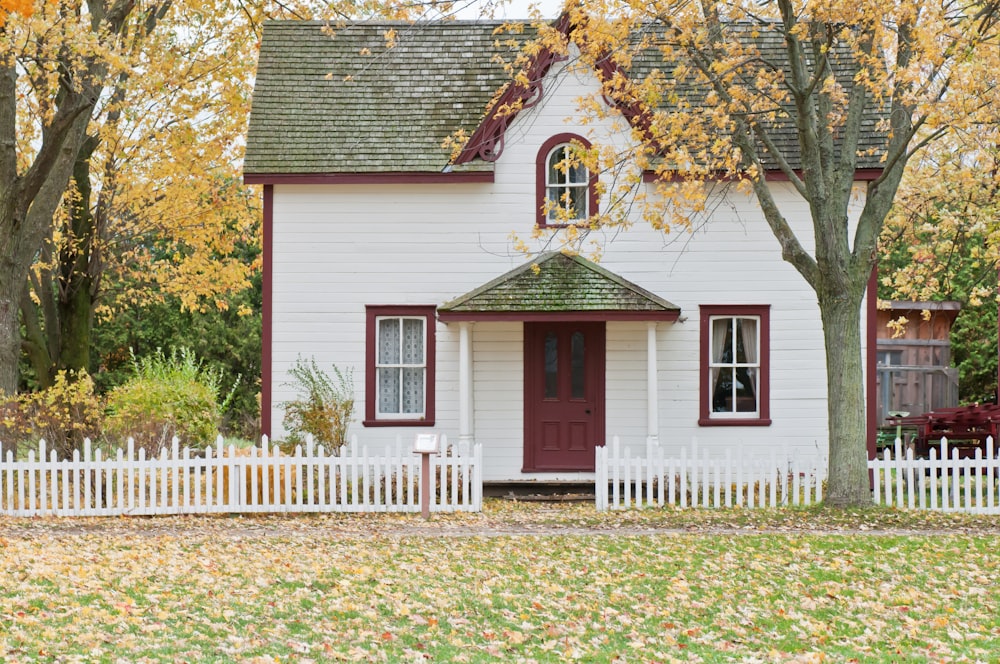
white house under maple trees


Which Loan Type Is Right for You?

Every financial situation is different, which means that the better choice for each person can vary. However, your financial situation paints a good picture of which mortgage type is best for you. If you have great credit and significant cash on hand, a conventional mortgage may be the best option for you. If you are looking to buy an investment property, a conventional mortgage may be the only option for you.

If you have less-than-stellar credit, are a first-time home buyer, or have some high balances to pay off on your credit cards, FHA loans may be a better option for you. Their favorable lending criteria make buying a home accessible to many people who otherwise would not be able to do so, but the terms are not the best in the long run. Of these two loan options, FHA loans generally cost less in the beginning and more over time, while conventional loans cost much more in the beginning but significantly less in the long run.


What Are Fannie Mae and Freddie Mac?

Fannie Mae and Freddie Mac are two companies that work closely with the Federal Housing Finance Agency (FHFA) to keep the mortgage market moving. They do not write mortgages themselves but rather buy mortgage contracts from other lenders. By assuming loans from popular mortgage lenders at a low cost, the lenders are then able to write more business.

These two companies got a bad reputation during the financial crisis of 2008, but they exist to make housing more accessible across the United States. In any case, you will not work with either of them while you go through the process of buying a home, as they do not actually write mortgages.


Thanks for reading our post on the key differences between conventional mortgages and FHA mortgages. Hopefully, this post helped you to better understand the most common mortgage options as you get ready to purchase a home. Your mortgage is probably the largest financial commitment you will make in your life, which is why it is so important to understand what you are signing up for before you actually sign anything.


If you visit Myrtle Beach or any other place in South Carolina and fall in love, we’re here to help. We at The Boyd Team are committed to helping you find the right property for your needs and dreams. Any question that you have about moving to the area and finding your dream home by the beach is our pleasure to answer. Feel free to send us an email at eddie@boydteam.com or text or call us at (843) 222-8566, and we will get back to you as soon as we can. Being true natives of the Grand Strand and Horry County and with over 25 years of experience in the local real estate market, whether buying or selling, we can help you make your dreams a reality.  

No One Knows The Grand Strand Better! Trust, Knowledge, Experience, and Professionalism You Can Count On!

Posted in BoydTeam Blog
April 1, 2023

Are Mortgage Interest Rates High Right Now? [Spring 2023]

Buying a home is one of the biggest financial commitments that you can make. As we say all the time, there are very few other things you will ever buy that cost more than a hundred thousand dollars! With all of the moving pieces, the home-buying process is very complex and can be difficult to understand. One of the pieces that buyers often struggle to understand is the interest rate.


To some, interest rates might seem easy to comprehend. To others, they may seem more foreign. In either case, many prospective buyers fail to understand just how small of an impact the interest rate has on a mortgage loan. This post will explain why.


How Does the Interest Rate Impact Home Prices?

When you take out a mortgage, a large portion of what you pay each month is interest. This is how mortgage lenders make money! When they agree to loan you hundreds of thousands of dollars, they are naturally assuming a large amount of risk. Interest is what makes that risk worthwhile for them.

Mortgage interest rates are determined by a lot of factors, but they tend to move similarly to the federal funds rate set by the Federal Reserve. When the Federal Reserve raises its rates, interest rates tend to rise as well. For this reason, the average mortgage rate fluctuates greatly throughout the year.

Depending on the loan type, the interest rate applies for the full life of the loan. This means that for most 30-year mortgages, you lock yourself into the current rate and will continue to pay that rate in your monthly mortgage payments through the very last year of the loan term. This is what deters many prospective buyers from pulling the trigger on a home when the average interest rate is a bit higher.


mortgage Scrabble tiles


The Mortgage Interest Rate Is Less Significant than Most People Think

Before you sign a mortgage contract, your lender will provide you with a full cost sheet detailing the components of your monthly payment. The monthly payment will consist of principal, interest, property taxes, and homeowners insurance. The interest follows an amortization schedule, which means that the first few years of the loan include significantly more interest than principal, and eventually that flips.

If you use a mortgage monthly payment calculator and adjust the interest rates, you may see that the interest rate actually causes very little difference in the monthly payment. In some instances, a full percentage point difference in the interest rate may only amount to $100-200 per month. While $100 extra per month to your mortgage payment is $100 less per month to your savings, it really isn't that much money on a monthly basis. Over the life of the loan, it could mean thousands of dollars of difference, but that only matters if you plan on living in the home for the long term!

If you plan on buying a home to live in for 5-10 years, the interest rate is a lot less important than if you plan to live in the home for the full duration of the mortgage. Many buyers zero in on the interest rate, when in reality they should just concern themselves with their monthly budget.


How High Are Mortgage Interest Rates Right Now?

When you compare today to 2020, you will encounter much higher interest rates. However, when you compare today to the 1980s and 1990s, you'll actually see historically low rates. The recent average rate is around 6.5%, although it does ebb and flow upward and downward. This figure is often compared to the much lower rates that occurred during the COVID-19 pandemic, when it wasn't uncommon to see an annual percentage rate of 3%.

While today's rates may be nearly double what they were a few years ago, that doesn't mean that they are bad. If you can get a 30-year fixed-rate mortgage today at 6.5%, you are in a much better position than the vast majority of home buyers over the past 5 decades. The housing market has been through a lot in the past year, but that doesn't mean that it is a bad time to buy. Waiting for a lower interest rate may be a good idea for some, but passing up on great listings just in the hopes of the rate declining isn't wise. Realistically, the interest rate isn't likely to drop more than a point in the course of a year anyway, so your full year of waiting is likely to amount to $100-200 per month in savings.


white and red wooden house miniature on brown table

How Do Today's Mortgage Interest Rates Compare to Past Years?

To better understand just how normal today's interest rates are, you can take a look at the average interest rates by decade since the 1970s. We used a mortgage calculator to calculated the monthly mortgage payment that would have been due on a $500,000 home in each of the past 5 decades, plus what it would look like today. For the calculation, we assumed a down payment of 20% and did not consider closing costs. Notably, today's rate is cheaper than 3 of the 5 past decades, and only slightly higher than another one.

In the 1970's, the interest rate ranged from 7.29% to 19.9%. The monthly payment on a $500,000 house at 9.077% (which falls in the middle of this range) would be $3,241. In the 1980's, the rates ranged from 9.2% to 18.45%. The monthly payment on the same home at 12.702% would have been $4,334.

In the 1990's, the rates dropped significantly. They ranged from 6.79% to 9.64%, and the monthly payment on an 8.118% loan would have been $2,988. In the 2000's, the rates continued to drop, ranging from 4.81% to 8.52%. The monthly payment at 6.292% interest would have been $2,473.

Finally, in the 2010s, the rates really bottomed out. This is part of what makes today's rates feel so bad. The rates ranged from 3.45% to 4.99%, and the monthly payment at 4.09% would have been $1,930. Today's average rate is about 6.5%, which would be a $2,528 monthly payment.


All in all, this goes to show that today's mortgage rates are still historically low, and this is not a disproportionately bad time to buy a home. 


Thanks for reading our post about the state of today's mortgage rates in the United States. While market conditions are a bit unusual right now, it is not a bad time to buy a new home. Rate hikes are expected to stop in the coming months. While lower mortgage rates might be around the corner, they are likely still too far off to be worth waiting for. In many cases, it is worth paying a higher rate to close on a home now rather than sitting around waiting for the rates to drop. Additionally, different lenders offer different rates, and working with multiple lenders to take out a home loan can ultimately lead to much lower monthly payments, regardless of the current interest rate.


If you visit Myrtle Beach or any other place in South Carolina and fall in love, we’re here to help. We at The Boyd Team are committed to helping you find the right property for your needs and dreams. Any question that you have about moving to the area and finding your dream home by the beach is our pleasure to answer. Feel free to send us an email at eddie@boydteam.com or text or call us at (843) 222-8566, and we will get back to you as soon as we can. Being true natives of the Grand Strand and Horry County and with over 25 years of experience in the local real estate market, whether buying or selling, we can help you make your dreams a reality.  

No One Knows The Grand Strand Better! Trust, Knowledge, Experience, and Professionalism You Can Count On!

Posted in BoydTeam Blog